Technology & Finance, Enterprise management
24 位演讲者
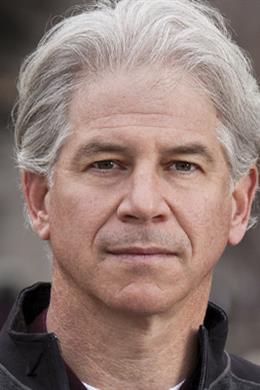
Andrew S. Fastow
Despite today's more standardized and civilized business environment, we are constantly witnessing Enron style corporate governance failures. Enron's former Chief Financial Officer will analyze how the ambiguity and complexity of laws and regulations provide opportunities for flawed decisions, and discuss what questions company directors, managers, lawyers, and accountants should ask to ensure that their company not only adheres to relevant rules but also adheres to its own principles. From 1998 to 2001, Fastow served as the Chief Financial Officer of Enron Corporation. He currently resides with his family in Houston, Texas. Fastow currently works at a law firm providing litigation support and consulting services to directors, lawyers, and hedge fund companies on how to identify potential important financial, accounting, compensation, and cultural issues. Fasto holds a Bachelor's degree in Economics and Chinese from Tufts University and a Master's degree in Finance from the Kellogg School of Management at Northwestern University in the United States. Prior to joining Enron, he was a senior executive at the North American Continental Bank Asset Securitization Group. Fasto has been a guest speaker at various universities and companies, as well as at conferences related to management, corporate directors, lawyers, accountants, and registered fraud examiners. Fastow has recently served as a guest speaker at the United Nations Conference on Principles of Responsible Management Education, the FBI Senior Financial Crime Seminar, the Certified Fraud Examiners Association Annual Meeting, the American Accounting Association Annual Meeting, and the Financial Times Outstanding Board Meeting.
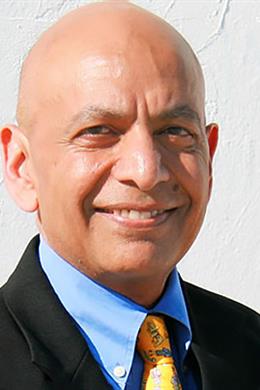
Anil Gupta
Dr. Anil Gupta is a globally recognized top expert in strategy, globalization, and entrepreneurship. Thinkers50 rated him as one of the most influential management thinkers in the world; He was called a world superstar in the cover story of the Economist magazine's Emerging Economy Innovation issue; HotTopics in the UK has named him one of the top 100 most influential entrepreneurship professors in the world. In addition, he is one of the only three professors globally to have obtained lifetime researcher qualifications from the three most prestigious institutions in the field of management, including the Academy of Management, the Strategic Management Society, and the Academy of International Business. The members of these three institutions cover over 25000 scholars worldwide. Anil's honors also include the CMO Asia Best Strategic Management Professor Award, which was selected for the Hall of Fame in the Journal of the American Management Society; Business Week rated him as an outstanding teacher in the Best Business School Guide; The International Management Review lists it as a superstar in North American strategic and organizational research. He regularly attends World Economic Forum summits, including Davos annual meetings and regional conferences held in China, India, and the Middle East. He is also a member of the Global Agenda Council for Emerging Multinational Companies at the forum. Several books written, co edited, and published by Anil have received high praise, including The Silk Road Rediscovered, Willie Publishing, 2014, Getting China and India Right, Willie Publishing, 2009, Global Strategies for Emerging Asia, Willie Publishing, 2012 The Quest for Global Dominance, Willie Publishing, 2008, Smart Globalization, Willie Publishing, 2003, Global Strategy and Organization, Willie Publishing, 2003. He has published over 70 papers in top academic journals; As one of the two most outstanding globalization and international business books in the world, how companies correctly formulate their China India strategy won the Axiom Book Awards silver award at the 2009 Axiom Book Awards and was nominated for the Annual Bernard Schwartz Book Award at the Asian Association. Anil is a columnist for Bloomberg Businessweek, a contributing editor for CEO Magazine, and a contributor to Harvard Business Review website HBRorg. He has appeared in media outlets such as The Wall Street Journal, The Financial Times, CEO Magazine, The Daily Telegraph, China Daily, and The Economic Times
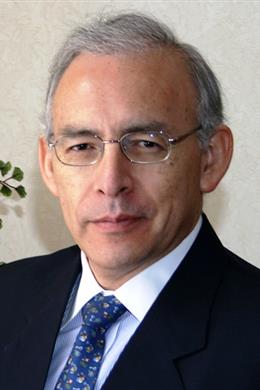
Augusto Ropez Claros
Since March 2011, Augusto Ropez Claros has been the Director of Global Indicators and Analysis at the World Bank Group. He is the Chief Economist and Director of the Global Competitiveness Project at the World Economic Forum in Geneva, responsible for overseeing the preparation of the flagship publication of the Forum - the Global Competitiveness Report, as well as other regional economic reports. Before joining the World Economic Forum, he was an executive director and senior international economist at Lehman Brothers London. From 1992 to 1995, he was the representative of the International Monetary Fund to the Russian Federation. Before joining the International Monetary Fund, he served as an economics professor at the University of Chile in Santiago. Ropez Claros received education in the UK and the United States, earning a degree in mathematical statistics from Cambridge University and a PhD in economics from Duke University. He has written many articles and papers on international economic issues, covering topics such as the European Monetary System, IMF reform, the role of international financial organizations, and the National Innovation Capacity Index. His research interests include interdependence and win-win cooperation that accompany global institutions, essential elements of successful economic development models, and management of globalization processes.
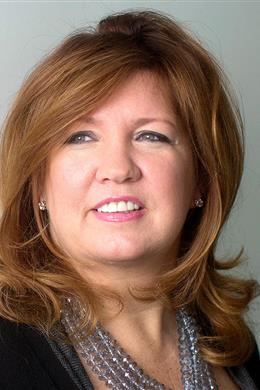
Biba Maglen
Biba Magellan served as the Special Assistant for Economic Policy to former US President George W. Bush, responsible for reporting on financial market trends to the President, and also served as the overall coordinator of the White House with financial regulatory agencies such as the Federal Reserve, the Futures and Exchange Commission, and the Securities and Exchange Commission. She previously served on the White House National Economic Committee and was the head of Enron and post 9\/11 terrorism economic risks. She was the initial negotiator for the Sarbanes Oxley and Patriot Acts, and served in the President's Corporate Governance and Financial Markets Working Group. Subsequently, Biba provided strategic guidance for investment banks, and now she works as a risk advisor for the world's largest institutional investors, focusing on the most difficult to quantify risk assessments including politics, policy, and geopolitics. At the same time, Biba also serves as the President of Canonbury Group and Principalis Asset Management, two financial institutions headquartered in London. Bibamagren discovers trends and provides advisory services on economic policies and investment strategies for investors and governments. Maglen predicted the financial crisis in 2007, a slowdown in China's economic growth, Brexit, Trump's election, and a resurgence of inflation. She is both an economist and a manufacturer. She participated in the establishment of H Robotics Company, which mainly produces commercial aerial workbench drones. She was listed by Richtopia as one of the 20 most influential economists and one of the five most powerful financial women in the world in 2017. As an economist, she focuses on comprehensive innovation and is passionate about explaining how to use new technologies to solve old problems and drive new forms of economic growth. Maglen is a member of the Board of Directors of the UK Department of International Trade and serves as a UK exit consultant. In addition, she also serves in the Global Strategic Trends Working Group of the UK Department of Defense, responsible for reporting to multiple senior UK generals. Biba is a member of the advisory board of the Leighton Institute, a British think tank, and a frequent guest of BBC, Bloomberg, and CNBC television. Biba is adept at using relevant facts and stories to shock the audience. She uses her extensive experience in formulating key policies to provide audiences with a detailed interpretation of global issues. Her speeches often involve multiple perspectives, including monetary policy, foreign policy, strategic security, business facts, etc. Biba's speech also touched on the two most fascinating aspects of the world economy: the power of profit generation and the power of taxation. When the country is burdened with high debts and unable to fulfill its commitments to its citizens, and requires more taxes, the conflict between the country and entrepreneurs will inevitably escalate. Most industrialized countries in the world are beginning to seek solutions that can fulfill their commitments to their citizens while alleviating debt pressure. This precisely inspires a huge innovation force that will become the pillar for the country to maintain its leading position in the economy. In 2015, Biba published a new book signaling the collapse of social contracts and the rise of geopolitics. She asserts in her book that economic signals are ubiquitous, from magazine covers to grocery stores to military events, revealing the mysteries of the world economy. Anyone can navigate the turbulence of the world economy through signal warnings, rather than being overwhelmed by confusion
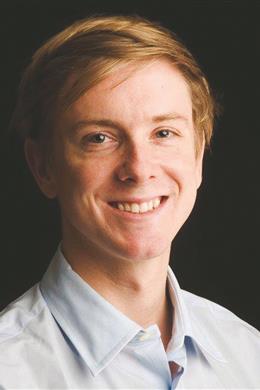
Chris Hughes
Chris Hughes is the co founder of Facebook and the editor in chief of New Republic Magazine. When Chris Hughes helped plan Facebook in his Harvard dormitory, almost all the people who shared personal information online were active on dating websites at the time. Facebook has now developed into a powerful social network with over 600 million users. Due to a desire to better connect like-minded groups, Hughes became a supporting force behind the MyBarackObama website, a campaign platform that helped elect Obama and transform the network into a political tool. At the age of 25, Hughes had already become a technology superstar in the social media industry, helping to create two of the most successful startups in modern history. Hughes has a remarkable talent for creating technologies that enable real people and communities to communicate together online, enabling some organizations to fully understand the infinite power of social networks. Not long ago, people still read print newspapers and obtained news information by watching Tom Brokaw's evening news program. Nowadays, the media environment is undergoing a complete transformation, and Chris Hughes is closely related to it and has become an important driving force. In 2004, Hughes co founded Facebook with his college roommates Mark Zuckerberg and Dustin Moscowitz. It is a dominant social networking website with nearly one billion active users worldwide. A few years later, Hughes used his work experience on Facebook to design social media and online organization strategies for presidential candidate Barack Obama, and achieved astonishing success. Currently, Hughes serves as the publisher and editor in chief of New Republic Magazine, a magazine with a history of 98 years and a focus on politics and art. And he is shaping the future of this most famous and influential intellectual news magazine in the United States. He has invested in writing narrative long news magazines and is setting standards for high-quality research and analysis articles to adapt to the new media environment.
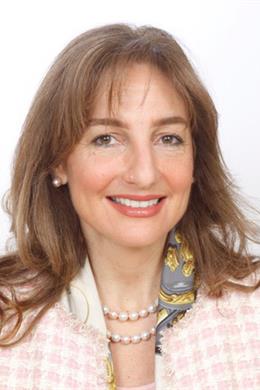
Dr. Florence Edoden
Dr. Florence Eid Oakden is the founder and chief economist of Arabia Monitor Arab Watch, and also serves as a professor in economics and finance at the American University of Beirut. She also serves as a visiting professor at INSEAD College in Paris and the Higher Business School in Paris. Arabia Monitor is currently the only independent economic research institution with a team of all Arab analysts, providing research and consulting services for various international institutions and enterprises in Central and Northeast Africa, including the International Monetary Fund, the World Bank, the Ministry of Finance of Qatar, the Agricultural Bank of China, the Chinese Academy of Social Sciences, State Street, PwC, Total Natural Gas, KKR, Saudi Basic Industries Group, and Cambridge Partners. Dr. Ed Oakden holds a Ph.D. in Organizational Economics jointly awarded by the Massachusetts Institute of Technology and Harvard University in the United States. He has served as Vice President and Senior Economist for Central and Northeast Africa at JPMorgan Chase, and has collaborated with the World Bank on projects in Latin America and North Africa. She currently serves as a director of the International Banking Group of the Bank of Arab States in London, a member of the Advisory Committee of the Business School of the University of Faisal in Saudi Arabia, a director of the North American Arab Bankers Association, and a director of the American University of Paris. Dr. Ed Oakden has been interviewed multiple times, including BBC, CNBC, Bloomberg, Al Jazeera, Wall Street Journal, CCTV, and Phoenix TV. She often delivers keynote speeches at world summits, such as China Arab Expo, Boao Middle East, Norway North Sea Oil Exhibition ONS, Global Trade Review GTR, Global Trade Review Middle East Annual Conference. The themes of her speeches include China GCC economic and trade relations, the impact of the the Belt and Road in the Middle East, the outlook of the international energy market, opportunities and challenges in the Middle East market, Iran and the international community, and the political and economic pattern of the Middle East.
Ed Butler
Ed Butler is the Executive Chairman of Salamanca Risk Management. SRM is a specialized risk management company that focuses on enterprise and private security and risk management solutions. From 2008 to 2010, served as the Managing Director of Ed Crisis Corporation. In this position, he suggests companies that invest in and operate risks in emerging markets around politics, society, and communities, including designing and providing customized community relationship strategies. Previously, the Education Department worked for 24 years and spent most of his time in the British military there, serving SAS22. He left one of the youngest and most respected officers of his generation. He has received high praise from British commanders for commanding SAS during more than 9\/11 periods in southern Afghanistan before 2006 during battles during breaks. Ed has unique tactical and strategic experience in counterinsurgency, crisis management, and peace-building activities, utilizing coercion and social development to leverage political and social change, improve quality of life, and increase community consent. He has led frontline operations at the headquarters level, including Northern Ireland, Bosnia and Herzegovina, Kosovo, Macedonia, Iraq, Afghanistan, and Sierra Leone. The Education Department also has special skills and experience in adversarial analysis, political tactical mediation, negotiation, and complex project management. He has obtained honorary degrees in politics and international relations from the University of Exeter and the University of Cranfield in Military Technology and Defense Research, MAS,. From 2003 to 2005, he directed the Advanced Command and Staff courses at the UK National Defense Academy. He was awarded an MBE in 1997, a DSO in 2002, and a CBE appointed in 2006; He has also been mentioning valuable services in urgent messages and has received two awards from the Queen.
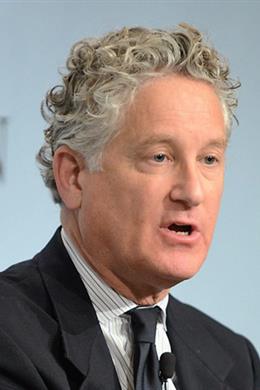
Harry Broadman
Harry Brodman is a global authority in international finance, investment and trade, business growth, risk management and innovation strategies, and corporate governance. As one of the earliest continuous entrepreneurs, he not only conducted interdisciplinary learning multiple times, but also held various high-level positions and decision-makers in private enterprises. Broadman is a true thought leader who foresaw the hidden forces that change the underlying structure and characteristics of the world market long before the term globalization became popular. Broadman focuses on building cross-border transactions that drive the company's development, and he has shown a strong interest in emerging markets in particular. Emerging markets have enormous development potential, and the opportunities for arbitrage continue to increase by exploiting misunderstandings about risk and return. He has collaborated with large and small companies, as well as public and private enterprises, from over 75 countries on five continents, and has helped establish many successful companies that are leading in their respective markets. He has a natural sensitivity to business operations and a strong interest in how companies can overcome misunderstandings, rapidly grow and succeed. He excels in maintaining a competitive advantage, reducing risks, and constantly pursuing innovation. Broadman can bring profound and pragmatic perspectives to the audience, and through his unique approach, he discusses how business, financial, and policy changes are affecting international markets and today's businesses in rare ways. He has a rare ability to analyze the most prominent business problems from a forward-looking perspective and reveals that the market is essentially a non-linear operating model. The audience can not only gain substantial content from his speech, but also feel his infectious humor. Brodman is currently the CEO and Managing Partner of Proa Global Partners LLC, a global cross-border investment and trading strategy company dedicated to providing practical advice for trading planning and execution in emerging markets while reducing commercial and governance risks. The company's clients include enterprises, banks, private equity fund companies, institutional investors, sovereign wealth funds, family offices, and high net worth individuals. Broadman is the Director of the Global Enterprise and Emerging Markets Committee at Johns Hopkins University and a Senior Researcher at the Institute of Foreign Policy. He is also a columnist for Forbes Magazine, International Newsweek, and Gulf News. He has published multiple books and published numerous professional articles in peer-reviewed economic, legal, and foreign policy journals. His recent works include the economic new frontier between China and India on the African Silk Road, asset management of Russia and the former Soviet Union, and Chinese enterprises under the global economy from disintegration to reunification.
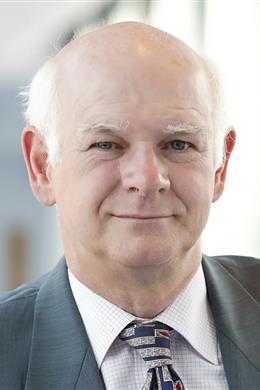
Howard Davies
Howard Davis studied at Manchester Grammar and Law School and Morton College in Oxford, where he obtained a master's degree in history and modern languages. In 1979, he received the Harkness Scholarship and in 1980, he obtained a Master's degree in Management Science from Stanford University School of Business in California, USA. Davis was the Vice President of the Bank of England from 1995 to 1997, before which he served as the President of the Confederation of British Industries for three years. In his early career, he worked in the Foreign and Commonwealth Office and served as a private secretary for the British Ambassador to France for two years. At the same time, he also served as the Director of the Audit Office in McKinsey&Company's finance department. From 1997 to 2003, Davis served as the Director of the Financial Services Authority in the UK, which is the only regulatory body in the financial services industry. In 2010, Davis joined the board of Prudential PLC and currently serves as the chairman of the company's risk control committee. Since 2011, Davis has been serving as an intern professor at the Paris School of Politics in France, teaching courses on financial regulation and central banking for master's students. He is a member of the Regulatory and Compliance Advisory Committee for Millennium Management Hedge Funds in New York. Since 2003, he has become a member of the International Advisory Committee of the China Banking Regulatory Commission and was appointed as the Chairman of the International Advisory Committee of the China Securities Regulatory Commission in 2012. Previously, Sir Howard served as an independent director at Morgan Stanley for 11 years from 2004 to 15, and in his early career from 1989 to 95, he served as a director at GKN. From 2012 to 2015, Davis served as the Chairman of Phoenix Group; From 2012 to 2015, served as the Chairman of the UK Airport Committee; From 2003 to 11, he served as the Dean of the London School of Economics and Political Science. In 2015, Sir Howard Davis was appointed as Chairman of the Royal Bank of Scotland. Davis has published 5 books on financial markets and frequently publishes articles in the Financial Times, Times Higher Education, World Press Syndicate, and Today Management.
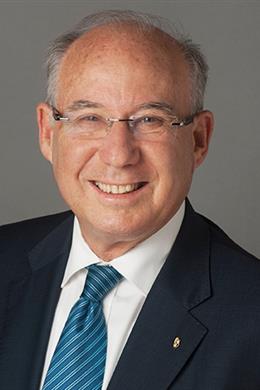
Jacob Frenkel
Jacob Frankel is a well-deserved leader in the global economy, with over 40 years of rich experience in the global macroeconomic field and large financial institutions. He is a former governor of the Bank of Israel and former chairman of JPMorgan Chase International. Since 2009, he has also served as JPMorgan Chase amp; Member of the Co International Council, he is also the Chairman and CEO of the G30 Group. From 2001 to 2011, Frankel served as the Chairman and CEO of G30 Group; From 2004 to 2009, served as the Vice President of AIG Group; From 2000 to 2004, he served as the Chairman of Merrill Lynch International at Merrill Lynch Group. Prior to this, he served as the governor of the Bank of Israel for two terms from 1991 to 2000. During his tenure, he reduced inflation in Israel, achieved price stability, liberalized Israel's financial market, eliminated foreign exchange controls, and integrated the Israeli economy into the global financial system. Prior to serving as the Governor of the Bank of Israel, Frankel served as Vice Chairman of the EBRD Board of the European Bank for Reconstruction and Development from 1999 to 2000, and as Chairman of the Inter American Development Bank Board of the Inter-American Development Bank from 1995 to 1996. From 1987 to 1991, he served as the Economic Advisor and Research Director of the International Monetary Fund (IMF). He taught at the University of Chicago from 1973 to 1987 for 15 years and served as the editor in chief of the Journal of Political Economy. He is currently a director of Loews Corporation, one of the largest diversified holding companies in the United States, and also serves as a director of Boston Properties, Inc., a Boston real estate company. He is also the Chairman of the Shamrock Israel Growth Fund Advisory Committee, Chairman of the Council of Tel Aviv University, and a member of the Advisory Committee of IJ Partners and private capital operating company Corsair Capital LLC.
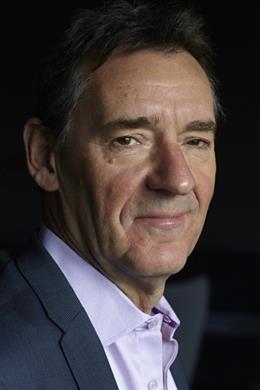
Jim O'Neill
Jim O'Neill, the former chief economist of Goldman Sachs Group, is currently an honorary professor of economics at the University of Manchester, and graduated from Sheffield University and Surrey University. My main research interest is in the foreign exchange market. In May 2015, he was appointed as the Commerce Secretary of the Treasury by George Osborne, who was then the UK Chancellor of the Exchequer. Resigned as Secretary of Commerce at the UK Treasury in September 2016. Jim's most famous achievement is the inventor of the important term BRICs in the BRICS countries, which has also become synonymous with Brazil, Russia, India, and China representing future growth opportunities. On November 20, 2001, Jim O'Neill, then the head of global economic research at Goldman Sachs and the chief economist of Goldman Sachs, published a report titled \The Global Need for Better Economic Bricks\. Due to the similarity between the English initials Bric and Brick in the report for Brazil, Russia, India, and China, the report is regarded as the birthplace of the BRICS countries. From then on, Jim O'Neill was seen as the 'Mr. BRICS' and became popular worldwide. Ernie graduated from the University of Sheffield, studying economics and geography, but as a rebellious student, he also took a detour during his academic years. After a year of enrollment, I gave up geography and drank alcohol all day, playing football for the school team. O'Neal was honest that he was much more interested in football than in class. In the following days, he balanced his personal football hobby and career reasonably and obtained a master's and doctoral degree successively. In his career, he also adhered to his perseverance, so in the foreign exchange market, which he regarded as an area of interest, O'Neill fully demonstrated his personal talent. Former BBC Chairman Davis once praised O'Neill as the top foreign exchange economist of the past decade. In the field of economics, O'Neill found his own niche. In 2001, when the concept of the BRICS was first proposed, O'Neill predicted that the four countries would change the pattern of the world economy. Today, after the global financial crisis, he himself seems more confident that the four countries will change the world. The fact also proves that what he said is true. The development of the BRICS countries has indeed gained global recognition and will enter a high-speed development channel in the future. He has a special fondness for China, and he believes that China should be the leader among the four countries. O'Neill said, 'I continue to be more optimistic about China's growth prospects.'.
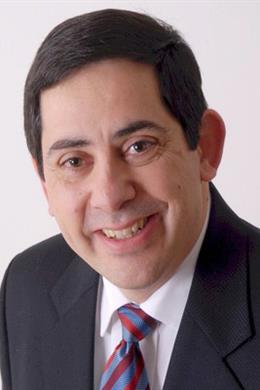
Joe Divana
Microsoft Internet Explorer402DocumentNotSpecified78Normal0 The Economist magazine once evaluated Jodi Wanna as a polymath, meaning a knowledgeable and versatile person. Joe is the Managing Director of Maris Strategies, a research institution that specializes in providing innovative research and consulting for financial institutions and government departments. With over 30 years of management and strategic expertise, it has helped countless companies rethink financial services and development strategies, product research and development, and service creation. Qiao is committed to the banking and finance industry, with a special focus on value management, achieving top line growth, banking professional ethics, and the development of the banking industry in emerging industries, especially research on Islamic, African, and Chinese banking industries. He is the co founder of the annual Fortune 500 Islamic Bank selected by Banker magazine and a writer who has published works in many magazines and industry magazines. He also led a series of competitive strategies titled Islamic Bank. Qiao's research is mostly adopted by retail banks, central banks, government agencies, universities, and academic institutions in Africa, Asia, Europe, and the Middle East. Qiao's financial training courses have been adopted by many well-known banks, including Barclays Bank, HSBC, Citibank, Visa, Master, First National Bank of South Africa, ABSA, Minsheng Bank, Bank of China, Shanghai Pudong Bank, Everbright Bank, and some financial conglomerates in the Middle East.
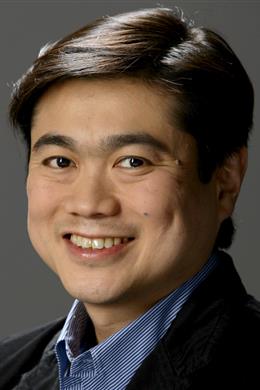
Joi Ito
Ranichi Ito is a top thinker and writer focused on innovation and world technology policies. He is a Japanese American activist, and his entrepreneurial identity has also been recognized - an entrepreneur focused on internet and technology enterprises. In 1966, Ito Rang lived in Tokyo, Japan, and later immigrated to Canada with his family. Later, when he was still a child, he moved with his family to Detroit, Michigan, USA. At the age of 14, Ito returned to Japan with his family. He attended Nishicho International School and later attended high school in American schools in Japan. Later, Ranichi Ito returned to the United States and studied computer science at Tufts University. After briefly dropping out of school, Ranichi Ito entered the University of Chicago to study physics. In 1985, Connected Education Inc. provided a revolutionary online course program for undergraduate students at the New School of Social Studies, and Ito became the first student to sign up. In Japan, he is one of the founders of digital garages. He helped create Japan's first commercial internet service provider, and later became its CEO. At the same time, Ranichi Ito is also a supporter of emerging democracy and internet freedom. In addition, Ito has served as the Chairman and CEO of the Knowledge Sharing Board, as well as a director of Sony Corporation, Knowledge Sharing, Knight Foundation, John and Catherine MacArthur Foundation, New York Times Corporation, Mozilla Foundation, WITNESS, and Global Voice. He is an early investor who has invested in over 40 companies, including well-known internet companies such as Flickr, Six Apart, Lastfm, Kongregate, Kickstarter, and Twitter. In 2011, he was appointed as the director of the MIT Media Laboratory located in Boston, Massachusetts. Ito has received other honors, including being named an Internet Elite by Time Magazine in 1997 and being selected by the World Economic Forum as one of tomorrow's global leaders. In 2008, Business Week called him one of the 25 most influential figures on the internet. In 2011, he received the Lifetime Achievement Award from the Internet Research Institute at the University of Oxford. In 2013, the New York School awarded him an honorary doctorate in literature.
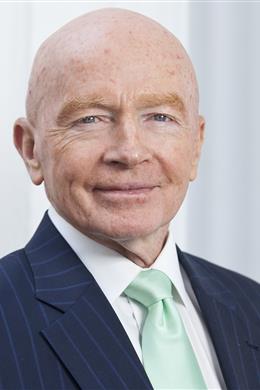
Mark Mobius
Most of the world's top ten fund managers, including Warren Buffett and George Soros, have retired, with only Mark Mobiles still trading. He is the Chairman of Templeton Asset Management, a subsidiary of the Franklin Templeton Fund Group, renowned for investing in emerging markets and hailed by the Wall Street Journal as the godfather of emerging markets. Mark Mobiles is currently the chairman of the Franklin Templeton Fund Group, a subsidiary of Templeton Asset Management, the world's largest listed fund management company, responsible for emerging market research and portfolio management. Mobiles manages approximately $20 billion in emerging market equity assets and is responsible for guiding Templeton's analysis teams in 15 emerging markets worldwide, as well as managing emerging market investment portfolios. He joined Templeton in 1987 as the CEO of Templeton Emerging Markets Fund. Mobiles has over 30 years of experience in emerging market investment and research, and is known as the godfather of emerging markets. In 2006, he was selected by Asian Financial Magazine as one of the 100 most influential figures in the world. In 2001, he was awarded the Best Emerging Market Fund Manager of the Year by International Monetary Market Magazine. In 1999, he was selected as one of the top 10 currency managers of the 20th century in a survey conducted by Carson Group. In 1998, he was awarded one of the top 10 global investment masters by Money in the United States. In 1997 In 1998, it was awarded the Best Global Fund Manager of the Year by Reuters, and in 1994, it was awarded the Best Fund Manager of the Year by CNBC Television Network in the United States. In 1993, it was awarded the Best Closed End Fund Manager of the Year by Morningstar in the United States, and so on. Mobiles has written a large number of works on emerging markets, including trading with China, investment guides for emerging markets, Mobiles' discussions on emerging markets, investment passports, and Mark Mobiles' autobiography. Mobiles has been appointed as co chair of the Investor Responsibility Working Group of the Global Corporate Governance Forum of the World Bank and the Organization for Economic Cooperation and Development. He obtained a bachelor's and master's degree from Boston University in the United States, and a doctoral degree in Economics and Political Science from MIT, Massachusetts Institute of Technology.
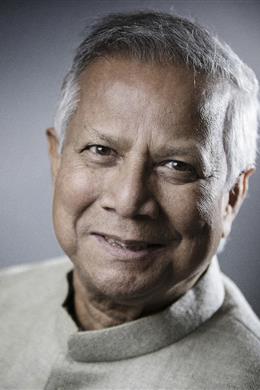
Muhammad Yunus
Professor Mohammad Yunus is the founder and chairman of the Grameen Bank, which provides microcredit to millions of poor people in Bangladesh. In 2006, he was awarded the Nobel Peace Prize. How can you leverage the power of the free market to solve the problems of poverty, hunger, and inequality? For some people, this sounds impossible. But that's what Yunus did. Yunus, the founder of Grameen Bank, pioneered microcredit, providing loans to economically disadvantaged individuals, mainly women, to lift their families out of poverty. Yunus' goal is to completely eradicate poverty in the world. Grameen, he said, is a hope, a plan to change the homeless and impoverished. Perhaps one day our children will ask us how to allow the terrible thing of poverty to happen for so long. This work is a rethinking of the economic relationship between the rights and obligations of the rich and the poor. The World Bank has recently acknowledged that this business policy aims to help millions of individuals through poverty alleviation projects, enabling the poor to lift themselves out of poverty with dignity through work. Loans are the last hope of those facing absolute poverty. That's why Yunus believes that the right to credit is a fundamental human right. Muhammad Yunus invented this difficult and unique method to fight against the despair of humanity. This is also the idea he developed by combining Chinese and Western cultures. This action also calls for us to establish the first and most important economic cycle through strong willpower and courage. He also serves on the boards of directors of many countries and international organizations. In addition to Grameen Bank, he also founded multiple companies in Bangladesh to address various issues of poverty and development.
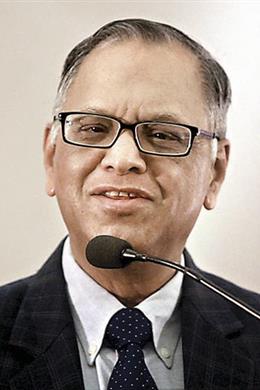
Narayana Murti
Narayanamurti is an Indian industrialist and software engineer. He is the founder of Infosys, a software consulting company headquartered in Bangalore, India. In 1981, he founded Infosys and served as the company's CEO from 1981 to 2002. From 1981 to 2011, he served as the chairman and chief mentor. Under his leadership, Infosys was listed on NASDAQ in 1999 and currently serves as the honorary chairman of the company. The Global Delivery Model, which Murty clearly proposed, designed, and implemented, has pioneered the successful operation of IT service outsourcing in India. He has led major corporate governance initiatives in India and is an information technology consultant for multiple Asian countries. He currently serves on the boards of HSBC, Ford Foundation, Rhodes Trust, Indian Business School, and the United Nations Foundation. From 2007 to 2010, he was a member of the Unilever Board of Directors; From 2002 to 2012, he served as the Chairman of the Bangalore International School of Information Technology, and from 2002 to 2007, he served as the Chairman of the Indian School of Management. In addition, he has also served at Cornell University, Singapore Management University, European School of Business Administration Paris, Wharton School of Business, and Stanford University School of Business. In 2012, Fortune magazine rated him as one of the 12 greatest entrepreneurs of our time; In 2005, The Economist magazine rated him as one of the top ten most admired business leaders in the world. Since joining the workforce, Murty has received numerous awards, including Padma Vibhushan, the highest civic award awarded by the Indian government, as well as the Legion of Honor Legion Legion Legion Legion Legion of France and the British Empire Order CBE, respectively. He is the first Indian to receive the Ernst&Young Annual World Entrepreneur Award and the Max Smithsonian Freedom Award. He often appears on the list of entrepreneurs and investors published by Business Week, Time, CNN, Fortune, India Today, Business Standards, Forbes, and other magazines. He is a member of both the Indian National Academy of Engineering and the American National Academy of Engineering. In 2012, he received the Hoover Medal. In addition, he also received the 2007 Ernst Weber Medal from the American Institute of Electrical and Electronic Engineers IEEE. He holds approximately 25 honorary doctorate titles from Indian or foreign universities.
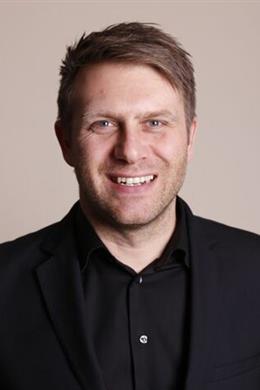
Nicholas Bergman
For the past 20 years, Bergman has been working as a continuous entrepreneur and investor focused on emerging markets and technology. He has extensive experience in dealing with unpredictable technological environments, making him a perfect guide in helping people try to understand what will happen in the future. His main focus is on investing in emerging markets, network services, nanotechnology, computing, new materials, and new media art. He is one of the founders and the largest investor of several companies, including Volvo Trucks and Buses Romania Distribution Company; An electron microscope company with unique patented technology for motion and interaction at the atomic scale; And a Scandinavian ski resort development zone that has attracted over $100 million in investment in the past few years, making the entire region of northern Sweden vibrant. Bergman is also a consultant at the TechCast Technology Think Tank in Washington, D.C., which aims to study the future direction of our society and whether it can cope with the upcoming technological revolution. In addition, as a member of an emerging research project at Lund University in Sweden, Bergman is very concerned about the relationship between humans and technology, as well as technological development, and more specifically focuses on the impact of interdisciplinary and transformational emerging technologies on business in the next 5-50 years. His book 'Surviving the Technology Storm' was released in 2015, mainly about dealing with the strategic impact of some disruptive technologies. In today's world, technology is increasingly integrated with corporate strategy and decision-making, making this book increasingly significant. A recent study by Constellation Research shows that digital challenges, automation, and technology are among the top 10 issues that keep chief executives awake in today's society. He takes great pride in his ability to personally customize speeches that interact with the audience, and always presents credible facts in a pleasant way. He always works with the goal of stunning audiences and providing insightful insights and practical tools.
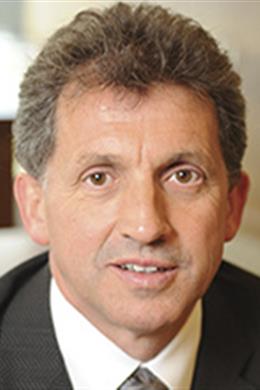
Nigel Wilson
Nigel served as the Chief Financial Officer of the Legal General Insurance Group in 2009 and was appointed as the Group CEO in June 2012. Before joining Legal General Insurance, Nigel was the Vice President and Chief Financial Officer of United Business Media in the United States. Prior to December 31, 2012, Nigel served as a Senior Independent Director of Capital Group Limited and as a Senior Independent Director and Chairman of Harford Group Limited until March 31, 2011. In addition, he has also worked at McKinsey&Company, providing consulting services to well-known client companies such as BP, Citibank, Cadbury, and the Global Investment Trust. He has also served as the Business Director of Dixon Group, CEO of Guinness Pitt Airways, and General Manager of Green Capital. Nigel holds a doctoral degree from Massachusetts Institute of Technology, where he is a Kennedy Scholar, recipient of the Alfred P Sloan Research Scholarship, and has previously worked at the National Bureau of Economic Research. Nigel has won numerous athletics championships, including the 800 meter British Masters.
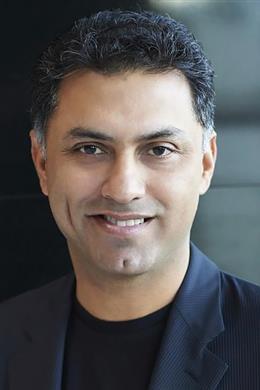
Nikosh Arrola
Nikosh Arrola is the representative director, president, and chief operating officer of SoftBank Corp, the SoftBank Group. He is responsible for overseeing the company's international investments. Since he joined the company, SoftBank has completed nine major investment projects, including Banjo, GrabTaxi, Snapdeal, and Houseingcom. Alora left Google in July 2014 and resigned as Senior Vice President and Chief Business Officer. He is responsible for managing all the company's revenue and customer operations, as well as marketing and establishing partnerships, and has held senior positions within the company. Later, he led Google to expand its global direct sales business and also developed and managed the company's business in the European, Middle Eastern, and African markets. In these regions, he is mainly responsible for creating and expanding the company's strategic partnerships to benefit the increasing number of Google users and advertisers. Alora used to be an analyst, focusing on areas such as consulting, IT, marketing, and finance. Before joining Google, he was the Chief Marketing Officer and a member of the Management Committee at T-Mobile. There, he took the lead in responsible for all product development, terminal, branding, and marketing activities of the company in the European region. In 1999, he began collaborating with Deutsche Telekom and established T-Motion PLC, a mobile multimedia subsidiary of T-Mobile International. Before joining Deutsche Telekom, he held some management positions at Baineng Investment and Fidelity Investment Group in Boston. Alora holds a master's degree from Boston College and an MBA degree from Northeastern University, both of which have been awarded with excellent grades. He also holds a registered financial analyst qualification. In 1989, he graduated from the Varanasi Institute of Technology in India with a Bachelor's degree in Electrical Engineering.
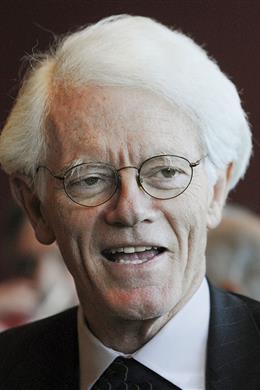
Peter Lynch
Peter Lynch is the world's most outstanding professional stock investor and a wealth gathering giant in the Wall Street stock market. The investment return rate he achieved during his tenure at the Magellan Fund has been unparalleled in the history of the stock market. The fund has also become the most successful fund in the world. Peter Lynch was born in 1944 and began investing at the age of 15 to earn tuition fees. In 1968, he graduated from the Wharton School of Business at the University of Pennsylvania with an MBA degree. In 1969, Lynch entered Fidelity Corporation, the world's largest investment fund management company. From 1977 to 1990, he served as the manager of the Magellan Fund under Fidelity Corporation. During these 13 years, he increased the assets under management of the Magellan Fund from $20 million to $14 billion, with an average annual compound interest rate of 29%, which was almost unparalleled. As a result, the Magellan Fund became the world's largest fund under asset management at that time, and its investment performance ranked first. In 1990, Peter Lynch voluntarily resigned and returned to his family, and began to summarize his investment experience. He successively wrote about Peter Lynch's successful investments, defeating Wall Street, and teaching you financial management, which caused a sensation on Wall Street. Compared to most financial professionals on Wall Street, Peter Lynch, known as the stock angel, is gentle and even a bit shy, but these cannot conceal his legendary experiences and wisdom displayed in the stock market. Peter Lynch is known as the first wealth manager by the most famous Time magazine in the United States, and he is also known as the leading fund manager and investment superstar. Newberg, the father of American mutual funds, believes that Buffett and Lynch are the two greatest investors in modern society. Along with Soros, he wanted to use the term 'genius' to describe them. However, if asked to choose who is the most perfect, overall, I would only choose Peter Lynch. His character can be called number one; He is like the Hercules in Greek mythology, a divine figure on Wall Street. Another thing I admire is that he knows when to quit and return to his family.