AI
34 位演讲者
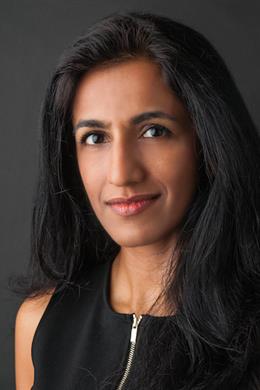
Aisha Kana
Aishakana is the co-founder and CEO of ADDO AI, an artificial intelligence consulting and incubator company. She is a strategic advisor in artificial intelligence, smart cities, and financial technology, with clients including Singapore's largest public transportation company SMRT, SmartDubai committed to reforming Dubai's governance and service delivery, and YES Bank, one of India's largest banks. In 2017, ADDO AI was named one of the top four artificial intelligence companies in Asia by Forbes magazine. Kana has been working on Wall Street for over a decade, dedicated to developing large-scale trade, risk management, and data analysis systems. She is the co founder of the Hybrid Reality Institute, a research consulting group aimed at analyzing the impact of accelerated technology on the economy and society. She is the head of the Future Cities Group at the London School of Economics and Political Science, and is also the guiding professor at Singularity University. Kana has been named one of Singapore's top female entrepreneurs and one of Asia's top financial technology influencers by Fintech Asia. She also serves on the Steering Committee of the Singapore Ministry of Education, focusing on applied learning in future skills and emerging industries. Kana is the author of Straight Through Processing and the co author of Hybrid Reality: Thriving in the Emerging Human Technology Civilization, which thrives in the emerging human technology civilization. She founded 21C GIRLS, a charity organization that provides free coding and artificial intelligence courses for girls in Singapore.
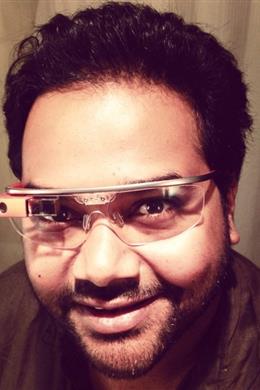
Ambrich Mithra
Ambrich Mitra is the CEO and co-founder of Blippar, a leading augmented reality browser dedicated to enabling people to see a richer world through artificial intelligence and computer vision. In 2016, Blippar ranked ninth on the CNBC Disruptor 50 Global Most Disruptive Companies List. Mitra led Blippar from a small company with only three co founders to a large enterprise with over 200 employees and 10 offices, and in 2014, acquired augmented reality AR giant Layar. Mitra is a serial entrepreneur who began his technical career in 1997. He dropped out of high school at the age of 17 and founded a women's empowerment portal. Mitra is an active investor in the fields of augmented reality, artificial intelligence, and genomics. Mithra hopes to create the ultimate augmented reality browser by understanding everything in the physical world, and he has gained widespread recognition for his breakthrough in traditional business thinking and people-oriented management philosophy. He was named Ernst&Young's 2016 UK Entrepreneur of the Year and 2017 Global Youth Leader at the World Economic Forum.
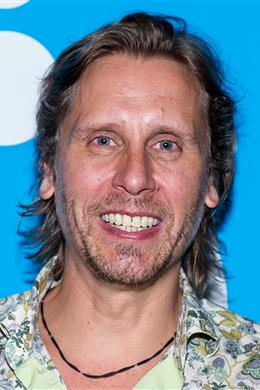
Bo Lato
Borato is a world-renowned neuroscientist specializing in perception, who has shocked the scientific community for many years with his achievements in blurring the boundaries of neuroscience and art. In addition to blending science and vision, he also attempts to change people's way of thinking about themselves and the world around them. Bo's research focus is on vision, but his interest is not only from a scientific perspective, but also from a philosophical perspective on how humans view the world around them. Vision supports creativity and even innovation, and even education, in principle, is also created by vision. His research not only includes human vision, but also the vision of bees and robots. Bo not only breaks boundaries between his own disciplines, but also blends the boundaries of science and vision by collaborating with artists, musicians, fashion designers, and anyone else interested in exploring different ways of seeing and doing things. The Bodhi Visual Research Center, Lato Laboratory, has become a hybrid of scientific laboratories and art studios, conducting highly controlled experiments, publishing results in top international scientific journals, and generating stunning visual illusions and installations, exhibited at the Hayward Gallery, Snake Gallery, and the Science Gallery in Dublin, among others. His visual illusion has been applied by many other scientists, artists, teachers, and international science museums. For Bo, science not only brings surprises, but also transforms people's way of thinking about the world, especially for children. His studio provides primary and secondary school students with the ability to design their own experiments and analyze their own data. The results indicate that not only their scientific views, but also their confidence and learning methods have undergone changes during the experiment. Bo's experimenter presented science in a visionary manner, winning him a wide audience. Especially after he made two shows for the BBC Vision project in 2010, the audience surged. A reporter suggested that Bo could educate the audience about food and cooking, just like Jamie Oliver did, and also make the audience more aware of science. Bo provides visual presentations for TED, RSA series, BBC, and also gives speeches to banks, governments, and universities such as Harvard. He is an inspiring speaker who uses illusions, games, and interactions to engage the audience. In July 2012, Bo gave his second TED speech. The first TED speech was in 2009, showcasing how the brain perceives itself and the world in order to better understand oneself. The second speech at TED fosters change by providing new avenues for uncertainty and gaining a deeper understanding of innovation and learning. In May 2012, the Bodyratto Laboratory ended its two-year stay in London, the world's most famous science museum, where they created new models and solutions that allowed audiences to think about science, art, and culture in new ways. The laboratory also collaborated with the BBC 2 Vision project for two programs, and with National Geographic Channel for the world's first scientific paper project written by elementary school students. This is itself a free science education course that uses games to create science. In the spring of 2013, Lato Labs will create experiments in San Francisco with the Peter Bowman Foundation and other Silicon Valley investors. The laboratory will explore the impact on people in highly controlled but completely creative environments through three-dimensional pop-up spaces, such as nightclubs, dance halls, and laboratories. his

Claudia Olsen
Claudia Olsen is a newly appointed global youth leader at the World Economic Forum and an innovative leader in the field of digital change. She is the founder and CEO of Exponential AB, a global consulting firm focused on providing strategic advice, analysis, and professional development related to digital change. She specializes in exponential technology, future trends, leadership and governance, and focuses on the impact of new technologies on citizens, society, and global markets. Claudia studies cutting-edge technologies in laboratories and risk projects in South Korea, Japan, and Singapore, and engages in digital research at Singularity University in Silicon Valley and Nordic countries. At the same time, she also focuses on the application of humanoid robots, semi robots, as well as the latest technologies in neuroscience, synthetic biology, and blockchain. In 2016, Claudia outlined a vision for the future of Sweden in 2030 for the Swedish government's digitization committee, which aims to establish a unified, intelligent, and competitive digital society. She also co authored the famous blockchain decentralized trust report on the Entrepreneurship Forum, Blockchain Decentralized Trust. She is a senior advisor to the Strategic Analysis Office of the Swedish Ministry of Foreign Affairs, helping the government identify and analyze long-term trends in technology and globalization. Previously, Claudia was responsible for managing her policy think tank ACCESS Health International established in Singapore, and had worked at ACCESS in India and the United Nations Economic and Social Council. She has been repeatedly recognized as one of Sweden's top young business talents and has received numerous awards. She has been recognized as Sweden's Youth Leader of the Year by Potential, the Stars Foundation of China and Switzerland has recognized her as the next generation leader, and La Ciudad de las Ideas in Mexico has awarded her the Genius Citizen Award. She is also a European David Rockefeller researcher at the Tripartite Commission. The client commented that Claudia's speech was excellent. She leads us to explore the future of technology and digitization based on her own experience and global perspective. Her perspective is very innovative, which has opened the eyes of many viewers and is very inspiring\u2014\u2014 Triton Partners
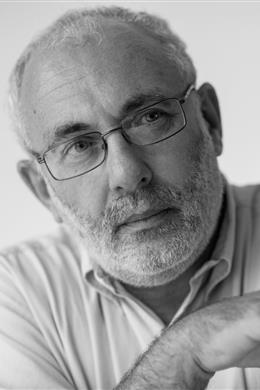
Dave Burch
As a global expert in electronic trading, Dave Burch has been deeply involved in this industry for many years. Birch is an internationally recognized leader in digital identity and digital currency thinking. He has been rated by the Oxford Internet Institute as one of the UK's most astute observers of the internet and social network. The Telegraph has rated him as one of the world's leading digital currency experts, The Independent has rated him as an \A-level geek,\ and Financial World magazine has called him a \madman. Booker gave extensive speeches on the impact of new information and communication technologies. He is a contributor to Outlook Magazine and has been a columnist for the Guardian for many years. As a media commentator on e-commerce issues, he often appears in reports on BBC Television, Sky TV, and CNN. His first book \Identity is the New Money\ was published in 2014, and his second book \Before Babylon, Beyond Blockchain\ was published in 2017.
David Siegel
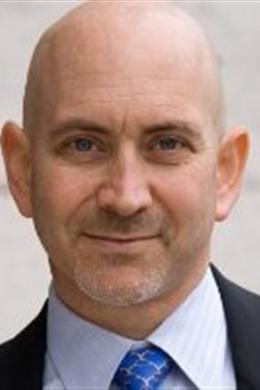
David Siegel, author, consultant, and investor in the intersection of technology and business. He is an authority in blockchain technology, focusing on the impact of blockchain on business and society. He was the world's first web designer and founded a digital company in 1994, which was one of the earliest digital institutions in Los Angeles. He has published five books on the Internet and business, most of which are international bestsellers. His most recent book is' Pull: The Power of the Semantic Web to Transform Your Business'. Siegel is a strategic advisor for many large enterprises and startups, collaborating extensively with companies in the Ethereum blockchain ecosystem and planning to start a company in this field. He is a decentralized coach - helping the company transition from a factory model to a laboratory model in all aspects. From Auckland to Reykjavik, Siegel has delivered over 100 professional speeches and can provide supplementary motivational insights for all high-level discussions about the future. He is committed to showcasing a new world of collaboration, trust, learning, and joy to the audience - the business agility of the 21st century.
Dr. Ishiguro
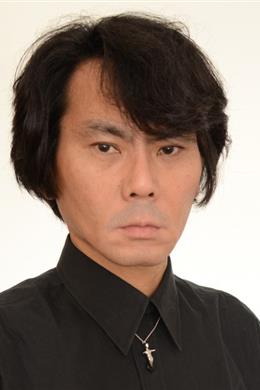
Dr. Ishiguro Hiroshi is the director of the Intelligent Robotics Laboratory in the System Innovation Department of the Graduate School of Engineering at Osaka University in Japan. One of the important achievements of the laboratory is the development of the humanoid robot Actroid. Actroid has a realistic appearance, flexible facial expressions, and can move freely like a human. In terms of robot development, Ishiguro is committed to creating humanoid robots as realistic as possible. At the naming ceremony for the female robot Repliee Q1 Expo in July 2005, he said, 'I have developed many robots before, but soon I realized the importance of appearance.'. A robot that looks very similar to a person will have a strong sense of existence. Repliee Q1 Expo can interact with people and respond to those who touch her. Although we still have a long way to go, this achievement is gratifying. In his opinion, it is possible to develop a robot that is no different from a real person in a short period of contact. Ishiguro Hiroshi has developed a robot named Geminoid that looks just like him. Geminoid appeared in the BBC2 Robot Documentary Concept - Human Machine hosted by James May on October 5, 2008. In addition, he also developed a communication robot called Telenoid R1 and applied it to classroom teaching at Osaka University. He can manually make Geminoid exhibit human characteristics such as blinking, breathing, and restlessness. On May 15, 2011, the Journal of Asian Scientists evaluated Ishiguro as one of the 15 outstanding Asian scientists. Dr. Ishiguro graduated from the Graduate School of Engineering at Osaka University and served as an associate professor at Kyoto University, a visiting researcher at the University of San Diego, California, and a professor at Wakayama University and Osaka University. He has won numerous awards, including the Science and Technology Award MEXT issued by the Ministry of Education, Culture, Science and Technology, the Best Paper Award at the 2nd and 4th Association of Electrical and Electronic Engineers Human Machine Interaction Conference in April 2015, the Best Humanoid Robot Award at the Robotics World Cup in March 2009, and the 2006 Robotics World Cup.
Effi Viena
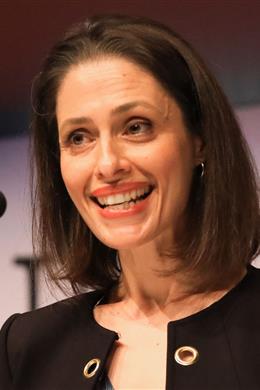
Effi Viena is a professor of bioethics at the Federal Institute of Technology in Zurich and a renowned expert in medicine, data, and ethics. She focuses on important social issues such as data and technology related to scientific progress, as well as how to apply these technologies to public and personal health. Due to her strong interest in health policies, she and the World Health Organization are jointly committed to addressing ethical issues related to reproductive medicine research. After returning to the academic community, she helped establish and coordinate the doctoral program in biomedical ethics at the University of Zurich, and was subsequently awarded the title of professor by the Swiss National Science Foundation. As a professor of health policy, she established the Health Ethics and Policy Laboratory, dedicated to addressing urgent issues in healthcare and research, all of which are caused by technological advancements such as genome technology. She obtained a charter to teach bioethics and policy at the University of Zurich and was appointed as a visiting professor at the Bioethics Center at Harvard Medical School. She is also a senior research assistant at the Berkman Klein Center for Internet&Society at Harvard University, where she was previously a researcher. Viena believes in the value of interdisciplinary research and believes that practical knowledge should be used to investigate ethical issues related to personal health. Her research has been widely recognized, which has given her the opportunity to collaborate and establish close connections with experts from Switzerland and many well-known foreign institutions. Viena is a leading expert in the diverse field of health data and ethics. She has successfully established an international network and sparked fruitful discussions around health ethics in the digital age. She has collaborated with institutions such as the Wellcome Trust, OECD, Commonwealth Foundation, Chatham House, and global government and academic institutions.
Greg Cross
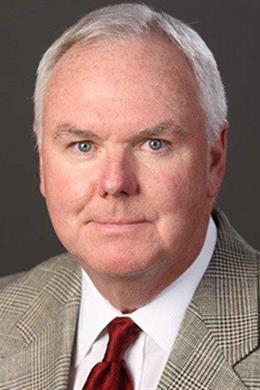
Greg Cross, a pioneer in artificial intelligence and a serial entrepreneur, has spent most of his career traveling and living in major markets around the world. In 2016, Greg and Dr. Mark Segal jointly founded Soul Machines, a company focused on how to humanize next-generation computer technology. As an affiliated company of the University of Auckland, Soul Machines was founded on BabyX technology developed by Dr. Mark Segal and his engineering research team from the Animation Technology Laboratory at the University of Auckland's Institute of Bioengineering. As a pioneering high-tech company, Soul Machines brings together a large number of artificial intelligence researchers, neuroscientists, psychologists, artists, and creative thinkers, dedicated to re imagining the future of human computer programming. By integrating facial features and different brain patterns, Soul Machines activates computers in a humanized way: with vital features, capable of making emotional responses, and possessing its own personality traits. Whether digital humans are used for virtual consumer services and sales agents, or for participation, guidance, and teaching in interactive and/or immersive augmented reality/virtual reality experiences, in the future, everyone can ultimately find a "soul robot" to talk to themselves. In October 2017, Greg sold PowerbyProxim to Apple, one of the world's top wireless energy companies. He is the chairman of The ICEHOUSE, and in 2010 Forbes Magazine named the company one of the top ten technology incubators in the world. He is also the resident executive of Sir John Logan Campbell at Auckland Business School& Nbsp;
Hugh Montgomery
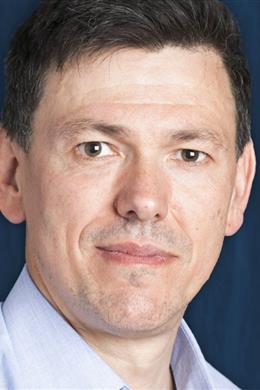
Dr. Hugh Montgomery is a professor of critical care medicine at University College London (UCL) and director of the Institute for Human Health and Performance (IHHP). He applies artificial intelligence to the health field and works one day a week at DeepMind Health, an AI health technology subsidiary under Google. Montgomery spends a quarter of his time working in the intensive care unit (ICU) in northern London. He has published over 480 scientific papers, and his most famous discovery is the "first human health gene". Montgomery has twice chaired the Lancet Committee on Human Health and Climate Change, and has published numerous articles and speeches on this topic. He was appointed as a leader by the London Commission for Sustainable Development, participated in many international "COP" negotiations, and led Genie's children's climate education project. Montgomery has invented multiple patents, including how to treat cancer emaciation and prevent stroke, new technologies for treating dehydration in patients, new decontamination masks, and asthma inhalers. Montgomery is passionate about fitness. He participated in the 100 kilometer super marathon, setting a world record for underwater piano performance, and participated in a research project conducted by the Everest research team Xtreme on Mount Everest. He recorded the "2007 Royal Academy Christmas Science Lecture - Cliff Reincarnation: The Science of Survival"; He is the co editor in chief of the Open Access Journal Extreme Physiology&Medicine.

Jamie Woodruff
Jamie Woodruff, who is just in his early twenties, is one of the top hackers and cybersecurity authorities in the world. While studying computer information systems at Bangor University, Woodruff successfully entered Facebook in the school's student competition and began to enter the public eye. He revealed the security vulnerabilities of many well-known operators, such as proving that her fan data is at serious risk by hacking into Jinka Daishan's website. Woodruff is the chairman of Metrics Cloud, a consulting firm specializing in training, penetration testing, and recruitment. He is also a cybersecurity advisor for the Cyber Smile Foundation, primarily focusing on online cyberbullying. Woodruff talked about the importance of system and network security, and he is famous for revealing the vulnerabilities of global attack programs and leading security applications such as Facebook, YouTube, Twitter, Apple, and Google. He discovered the existence of attack programs by infiltrating the company, such as imitating the staff of a Domino's pizza restaurant to deliver takeout to a large financial institution and entering the company's server room by prying locks. Of course, this is an ethical penetration test conducted with sufficient authorization. Woodruff is also passionate about discussing cryptocurrencies - explaining the workings of cryptocurrencies, their potential future, and their impact on future currencies and trade.
Jessica Barker
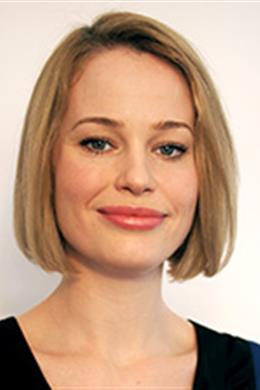
Jessica Barker is an expert in researching the humanized characteristics of network security issues. In 2017, she was named one of the 20 most influential cybersecurity women in the UK and won the 50 Outstanding Technology Women Awards. Buckle's technical knowledge and sociological background give her unique insights, as she excels in conveying technical information to audiences outside the technical field. From multinational corporations to small and medium-sized enterprises, she has been invited to participate in organizational activities of different scales. Buckle's work revolves around the psychological and sociological perspectives of cybersecurity, particularly in areas such as cybersecurity threats, social engineering, effective communication of cybersecurity information, cybersecurity fear, and cybersecurity language. Her areas of expertise include cybersecurity awareness, behavior, and culture. Buckle collaborates with TeenTech and Cyber Security Challenge in the UK to encourage young people to further participate in cybersecurity.
Jim Carroll
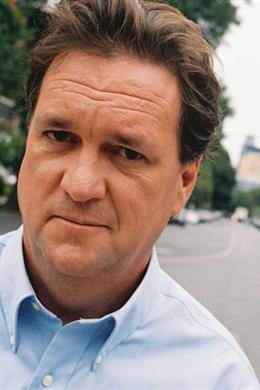
Jim Carroll, a writer, focuses on connecting future trends and innovating. Carol is a globally recognized thought leader and authority, focusing on areas such as global trends, rapid changes in business models, the collapse of business models during periods of economic turmoil, and the need to accelerate innovation. As an authoritative figure, he has a deep understanding of contemporary cutting-edge trends, including autonomous driving technology, sensing technology, Internet of Things, 3D printing, virtual reality, production and storage technology of alternative energy, genetic drugs, virtual medicine, advanced robotics and artificial intelligence, blockchain and virtual payment, machine learning and robotics, crowdsourced intelligence, and next-generation research and development technology. Carol decodes the world of cryptocurrencies and points out the opportunities and challenges that the end of the traditional concept of money will bring. He believes that the application of blockchain technology is not limited to Bitcoin, and distributed accounting will change all industries, challenging the legal essence of the concept of \receiving and receiving\ and sparking a wave of innovation around business models. Carol has published multiple books, including 'Surviving the Information Age', 'The Future Belongs To That Who Are Fast, Ready, Set' How to Innovate When Faster is the New Fast and What I Learned From Frogs in Texas: Saving Your Skin with Forward Thinking Innovation.

Julian Assange
Julian Assange is the founder of WikiLeaks and caused a global sensation by disclosing a series of confidential documents provided by Chelsea Manning in 2010. In 1993, Assange provided technical advice to the Child Exploration Unit of the Victoria Police Department to assist in litigation investigations. In the same year, he participated in the creation of Suburbia Public Access Network, one of the earliest internet service providers in Australia. Afterwards, he began programming and jointly developed port scanning program design based on the Transmission Control Protocol. In 2006, Assange established the WikiLeaks WikiLeaks website, believing that the free exchange of information could end illegal governance. In 2010, Assange was requested to be extradited to Sweden on charges of sexual assault. He denied the charges and expressed concern that he would be extradited from Sweden to the United States for leaking confidential US documents. In 2017, Swedish prosecutors stated that they would cease their investigation into Assange. In 2010, Assange surrendered to the London police, but his bail application was rejected. In 2012, he received political asylum in Ecuador. Afterwards, he stayed at the Ecuadorian Embassy in the UK and enjoyed the freedom to leave at any time, but would be arrested for violating the bail terms of the UK suspect. In 2011, the Sydney Peace Foundation awarded Assange the Sydney Peace Medal in recognition of his extraordinary courage in pursuing human rights. The recipients of this honor also include Nelson Mandela.
Junejia, Manish
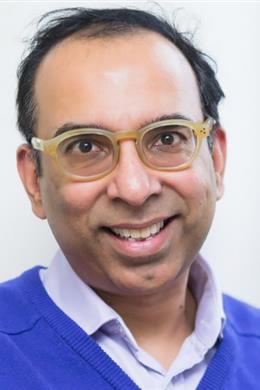
Manish Juneja is a global health expert dedicated to exploring how to integrate emerging technologies to make the world a healthier and better place. Junejia not only understands technology, but also studies economic, political, and cultural trends. The topics he delved into in 2017 include new medical models, digital biomarkers, and how human-machine relationships will change with the intelligence of machines. He once gave a speech at TEDx in St. Petersburg, discussing how to use digital health technology to make Guernsey the best place to live on Earth. In 2013, he delivered another TEDx speech in Porto, discussing his vision for 7 billion citizen scientists. He also participated in the FutureMed event at Singularity University in Silicon Valley. In 2012, Junejia left GlaxoSmithKline to establish his own health consulting company. In the same year, he founded Health 20 London Chapter and developed it into the largest civilian health technology community in the UK. Over his 20 year career, Junejia has used data to help improve decision-making in numerous industries, including supporting UK government research at University College London, managing DunnHumby's Tesco database, and recently handling the world's largest US health insurance claims. He is also responsible for managing the European electronic health records database at GlaxoSmithKline Research and Development Center.
Karum Chase
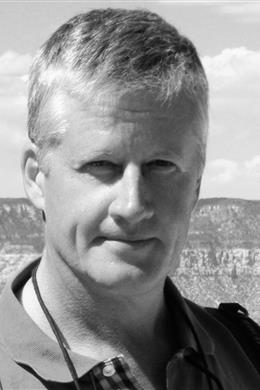
Karum Chase, a renowned artificial intelligence writer, focuses on the medium to long-term impact of artificial intelligence on individuals, society, and the economy. The Economic Singularity, a non fiction book, describes how technology will trigger large-scale unemployment in the future; In the book "The Fate of Humanity in the Era of Artificial Intelligence and Super Intelligence", Chase discusses the possibilities of strong artificial intelligence and super intelligence. He is Pandora's brain; The author of the book's Brain ', which is a technical horror film about First Super Intelligence. Chase has 30 years of experience in the media and business world, holding positions such as marketing, strategist, and CEO. He has a lasting interest in business and is the chairman and trainer of some growth oriented enterprises. In 2000, he co authored the Internet Entrepreneurship Bible, a best-selling commercial book published by Random House.

Kate Darling
At present, robots are playing an increasingly important role in life and business - they are no longer limited to the manufacturing industry, but have expanded to various aspects such as transportation, education, medicine, elderly care, offices, and homes. But morality and law have not kept up with the development of robots. Kate Darling is a pioneer in these research fields, and her work has helped accelerate this process. Leading robotics ethics expert Darling is a researcher at the MIT Media Laboratory at the Massachusetts Institute of Technology. She studies social robotics and conducts experimental research on human-machine interaction. Darling constantly explores the emotional connections between humans and some biomimetic inventions, hoping to influence technological design and policy direction. Her articles and research predict the challenges that legislators, engineers, and the general public must address in the development of human-machine relationships in the coming decades. Although Darling has a professional background in intellectual property, law, and economics, she is passionate about technology and robotics, and therefore works in interdisciplinary fields. She taught robotics ethics courses with renowned professor Lawrence Lessig at Harvard Law School, and later devoted herself to studying the intersection of law and robotics, focusing on legal and social issues. Darling is a researcher at the Berkman Center for Internet and Social Studies at Harvard University and the Information Society Program at Yale University, as well as a member of the Institute of Ethics and Emerging Technologies. Darling's work has been reported by various media outlets such as the BBC, The Guardian, Boston Globe, CBC, and Wired magazine. She has authored many academic publications and is a contributing author for the online communication platform Robohub and the IEEE Spectrum magazine Technology Overview. As a prominent and inspiring speaker, she often gives speeches and hosts seminars covering interesting developments in the field of robotics and future emerging fields.
Kevin Slavin
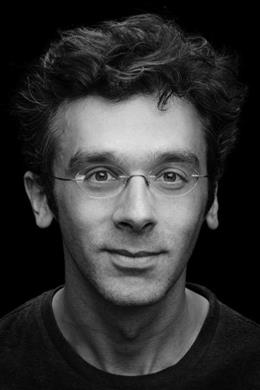
Kevin Slavin is the Chief Technology Officer of The Shed, the New York City Center for New Art Creation. He encourages artists to use emerging technological means to express contemporary ideas and images, including augmented and virtual reality, artificial intelligence, synthetic biology, materials science, and locative media. The Shed is New York's first diverse art center, which will open in the spring of 2019. Kevin is a researcher and serial entrepreneur at the Media Lab at Massachusetts Institute of Technology. He has created many well-known projects and companies that intersect entertainment, gaming, big data, next-generation technology, and design. As the co founder of Area\/Code2005, Kevin took the lead in rethinking game design and development using new technologies such as GPS and DNA testing, as well as new platforms such as Facebook and iOS. Area\/Code collaborates with numerous institutions such as MTV, Disney, Nokia, Nike, and CBS, and was renamed Zynga New York after being acquired by Zynga in 2011. Before the acquisition, their webpage views exceeded billions and their users exceeded 50 million. In 2013, the Media Laboratory Committee of the Massachusetts Institute of Technology ordered Kevin to create a new experimental department, Playful Systems. As a new department, they have established collaborations with chess master Maurice Ashley and the Department of Brain and Cognitive Sciences at the Massachusetts Institute of Technology. Their work has attracted global attention, with reports from major news networks and well-known magazines such as Huffington Post, Discovery, Wired, and New Scientist. Kevin also co founded Everybody at Once, a consulting company that focuses on how viewers and fans interact online with television, movies, and sports. Currently, the company is collaborating with BBC America, BBC News, Starz TV, American public media, and Roma Football Club in Europe. Kevin has worked as a creative director and planner for some large institutions in the United States for 10 years. He has been nominated for most awards in the industry, and Creative Magazine has named him one of the 50 most influential figures in the creative field. As a professor, he teaches in the Interactive Telecommunications Program (ITP) at New York University, the Microassembly Laboratory at MIT, Fabrica, and Cooper Union at Cooper Union College, and is the Vice Chairman of the Cooper Union Board of Directors. His works have been exhibited at the Museum of Modern Art, MoMA, New Museum, Storefront for Art and Architecture, and Frankfurt Museum of Modern Art in Frankfurt, Germany \u0308 Modern Kunst exhibition. How algorithms shape the world of big data, finance, and innovation

Lana El Kalyubi
Lana Elkalubi is the co-founder and CEO of Affectiva, and a pioneer in the next frontier of artificial intelligence - emotional AI. Her award-winning emotion recognition technology is based on a scientific experimental platform that utilizes deep learning and the world's largest emotion database to analyze nearly 4.5 million faces from 75 countries worldwide, collecting over 50 billion emotion data points. Before founding Affectiva, Lana was a research scientist at the Massachusetts Institute of Technology Media Laboratory, leading the application of emotional technology in various fields, including mental health and autism research. She has published articles in multiple publications, including The New Yorker, Wired Magazine, Forbes, Fast Company, The Wall Street Journal, The New York Times, CNN, CBS, Time, Fortune, and Reddit. As a TED speaker, she is recognized as one of the seven most powerful women of 2014 by entrepreneurs; Ad Age magazine rated her as 40 elite individuals under the age of 40; She has been inducted into the Engineering Hall of Fame and has won the 35 Innovators Under 35 award from Technology Review magazine and the American Ingeniity Award for Technology from Smithsonian magazine.
Martin Ford
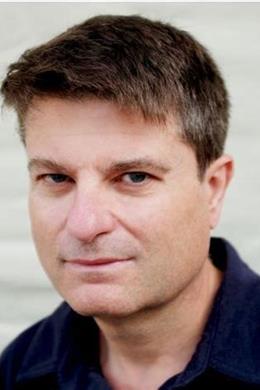
Martin Ford, a futurist, writer, and founder of a software development company in Silicon Valley. He has published two books, including the New York Times bestseller 'Rise of the Robots: Technology and the Threat of a Jobless Future' (which won the 2015 Financial Times Business Book of the Year award) and 'The Lights in the Tunnel: Automation, Accelerating Technology and the Economy of the Future'. Ford has 25 years of experience in computer design and software development. He has published articles in various publications such as The New York Times, Fortune Magazine, Forbes Magazine, Atlantic Monthly, The Washington Post, Harvard Business Review, and The Financial Times, discussing future technologies and their impact. Ford is an expert in accelerating progress in robotics and artificial intelligence - he explores the impact of these technological advancements on the economy, job markets, and future society& Nbsp;