演讲者
704 位演讲者
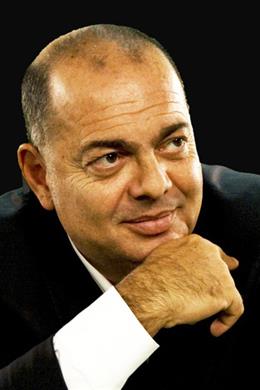
Vito Di Bari
Vitodibari is a renowned futurist, writer, and authority on innovation. The Financial Times described him as a master of new European innovation. The Italian newspaper AliExpress combines Vittorio Dibari, Nesbitt, and Toffler as the three world futurists. Vitodibari has been working in the United States for many years, serving as the Executive Director of the International Market Information Department of UNESCO and the Research Director of the International Research Laboratory LabNext. He is a professor of design and innovation management at Milan Polytechnic University and a professor of cross media communication at Bocconi University. Vitodibari has given speeches to many internationally renowned companies, such as Vodafone, Microsoft, Oracle, IBM, Cisco, etc. In the past few years, he has given 8 speeches for IBM CEO Journey events and 11 speeches for the BMW Drive 7 event series. Many of his innovative theories and numerous published works are recognized worldwide. Vito is also a TV host for Discovery Channel. Vito Dibari was selected as the innovative designer for the 2015 Milan General Expo. He designed Milan's future as a city intertwined with digital and physical architecture, where every day of life will be transformed from Vito's innovative solutions. Vito is proficient in English, Italian, Spanish, and French. By exploring the application of future technologies in daily life, Vito tells people how and why our lives will change. Through the latest research on media, nanotechnology, and robotics, Vito will tell us how businesses and individuals will change their behavior to achieve success in the future business world.
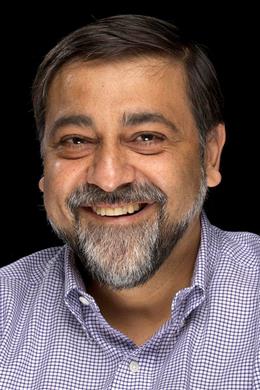
Vivek Wadhwa
Vivek is an entrepreneur as well as an academic, author, and keynote speaker. His research focuses on robotics, artificial intelligence, computing, synthetic biology, 3D printing, medicine, and nanomaterials, and how these advances will disrupt companies, industries, governments, and cultures. Vivek returned to Harvard to embark on a major three-year research project into the impact of technology on the future of employment and work. This project, in collaboration with a renowned team at Harvard Law School, will be the first study of how technology will affect the core of the economy. He just received the Silicon Valley Forum's 2018 Visionary Award. s 2018 Visionary Award-Winner. Past winners of this award include Bill Gates, Elon Musk, Linda Rotenberg, Scott McNealy, Ray Kurzweil, Reed Hastings, Tim O 'Reilly, Woosley, Anne Wojcicki, Reed Hoffman and others. In June, Vivek will release his highly anticipated new book Your Happiness Was Hacked: Why Tech Is Winning the Battle to Control Your Brain--and How to Fight Back. Vivek is currently a distinguished fellow at Carnegie Mellon University's School of Engineering, He teaches at Carnegie Mellon University's Silicon Valley campus on the latest in exponential technologies, technology convergence and industrial disruption, risk and regulation, and the new rules of innovation. Vivek is also director of research at Duke University's Pratt School of Engineering and vice president of Innovation and Research at Singularity University. He is also a fellow at Stanford University's Rock Center for Corporate Governance, Harvard Law School, and Emory University. Notably, he held six positions simultaneously at top universities. Vivek's previous award-winning books, Drivers in Driverless Cars: How Our Technology Choices Will Create The Future: The Driver in the Driverless Car: How Our Technology Choices Will Create the Future, etc. Why America is losing The global race to attract entrepreneurial talent The Immigrant Exodus: Why America Is Losing the Global Race to Capture Entrepreneurial Talent was named the Economist's 2012 Book of the Year. Innovating Women: The Changing Face of Technology has placed Vivek at number two on the Financial Times' list of 10 Men to Emulate. Vivek's ability to teach the complexities of global technological progress in a simple and poetic way has made him one of the world's most sought-after keynote speakers. He speaks more than 100 times a year to some of the most prestigious and influential people and organizations, such as global leaders, ceos, industry organizations, universities, entrepreneur groups, and many national academies of science and engineering. In 2012, Vivek was named an American of Distinction by the U.S. government in recognition of his dedication to this country and commitment to his civic values as an American. In the same year, he was named one of the world's Top 100 Global Thinkers by Foreign Policy magazine; In June 2013, he was featured in Time magazine's Tech 40Tech 40 as one of the 40 most influential people in tech. In September 2015, Vivek was ranked second on the Financial Times' list of 10 Men worth emulating.
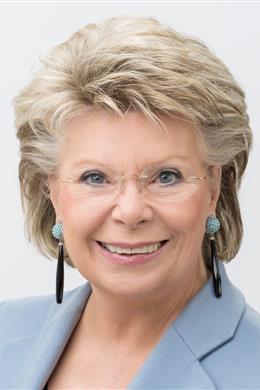
Viviane Reding
Viviana Reading is one of the most prominent figures in Europe. She served as a member of three European governments and became the first Vice President and Commissioner for Justice, Basic Human Rights, and Civic Rights of the European Union in 2010. Since winning the European elections in May 2014, she has become a member of the European Parliament. In 1999, after serving for 10 years in the Luxembourg Parliament and the European Parliament, she became the EU Commissioner for Education, Culture, Youth and Sports. In 2004, she became the EU Commissioner for the Information Society and Media, and she opened up internal market competition, playing an important role in the European telecommunications industry and research reforms. Reading also laid the foundation for the fundamental human rights culture of all European institutions. She has won numerous outstanding awards and honorary titles. Reading not only provides viewers with profound insights into European social, economic, and political issues, but also has a profound understanding of computer technology, information society, and human rights. With her outstanding leadership skills and rich political experience, Viviana Redding has become a highly sought after speaker at important global conferences.
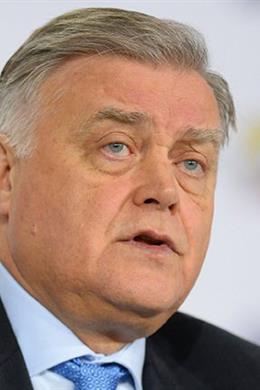
Vladimir Yakunin
Vladimir Yakunin, born on June 30, 1948, is a Russian public figure, businessman, and former president of the Russian Railway Administration from June 2005 to August 2015. In 2012, he was elected as the Chairman of the Railway Union UIC and served until 2015. After stepping down as the Minister of Railways of Russia, as the founder and president of the World Public Forum Civilization Dialogue, he continued to work in the public sector. In October 2015, he began creating an international think tank focused on finding solutions to help alleviate tensions around the world. In 1972, Yakunin graduated from the Leningrad Institute of Machinery, majoring in aircraft construction, engineering, and long-range ballistic missile maintenance. From 1972 to 1975, he worked at the Leningrad National Institute of Applied Chemistry. In 1975, he joined the Soviet army; From the demobilization of the military in 1977 to 1984, he served as a senior engineer for the Russian Council of Ministers of International Trade. From 1985 to 1991, Yakunin served as a member of the Soviet diplomatic mission to the United Nations and became the first secretary of the mission in 1988. In early 1991, he left the government department to start business and was appointed as the Chairman of the Board of Directors of the International Business Cooperation Center. In the early 1990s, Yakunin lived in a rural villa near St. Petersburg in the Leningrad district, neighboring Vladimir Putin, Sergei Iverson, Yurikovalichuk, and others. On November 10, 1996, they jointly founded the Osiro Cooperative Community. Yakunin is the chairman of the Civilization Dialogue at the World Public Forum. This is an international non-governmental organization headquartered in Vienna, Austria, co founded by Yakunin, Kapur in India, and Papaniclau in Greece. The World Public Forum Civilization Dialogue holds the Rhodes Forum every year, aiming to connect people from different backgrounds, civilizations, and regions. Since January 2006, Yakunin has been serving as the Chairman and Academic Director of the Supervisory Board of the Russian Academy of Problem Analysis and Public Management. In 2007, he obtained a doctoral degree in political science. His monographs include 2005 on the development of geopolitical transportation elements in Russia, 2006 on the political science of transportation from a political perspective, and 2006 on the theoretical and practical issues of the current state policy composition in Russia. Since 2010, he has been serving as the Minister of the National Policy Department of the MSU School of Political Science at Moscow State University. At the same time, he also serves as a visiting professor at the Stockholm School of Economics. Yakunin is also a member of the supervisory board of the Moscow Bosuvaba Theater; He is the Chairman of the Supervisory Board of the Flying Children's Foundation. The foundation was established in 2007 to support severely ill children with disabilities in orphanages and provide adoption support for disabled children through the launch of a fund project.
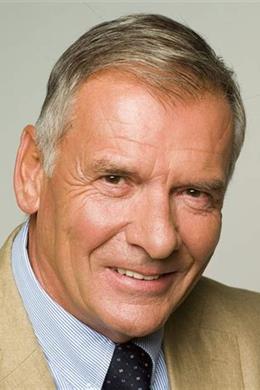
Vladislav Kuhanik
Vladislav Kuhanik was the former chairman of Skoda, who witnessed the company's internal changes from 1997 to 2007. In 1981, he began his business career in the economic planning department of Motor Jikov, an important supplier in the Czech automotive industry. He has served as the director of the company's procurement department, commercial director, and chairman. From 1992 to 1997, he served as the Managing Director of Robert Bosch Limited, a joint venture founded by Motor Jikov. In 1991, Skoda was acquired by Volkswagen, which led to significant changes in sales, manufacturing, product design, and quality. In the words of the New York Times, Skoda's transformation was one of the most dramatic turning points in Central Europe. In April 1997, Vladislav was elected as the Chairman of Skoda's Board of Directors. In 2007, he left Skoda's board of directors and became a partner of Industrial Consulting Limited. Since 1997, he has served as the President of the Czech Automobile Industry Association and the Vice President of the Czech Industry and Transport Association.
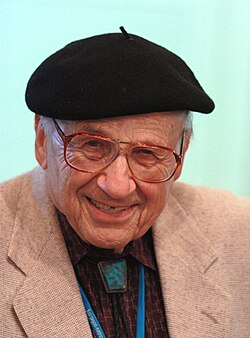
Walter Kohn
诺贝尔化学奖| (1961) | 1923-2016
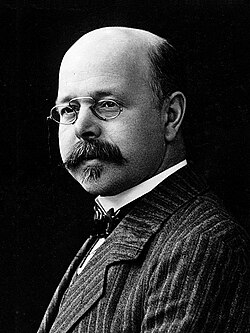
Walther Nernst
诺贝尔化学奖| (1917) | 1864-1941
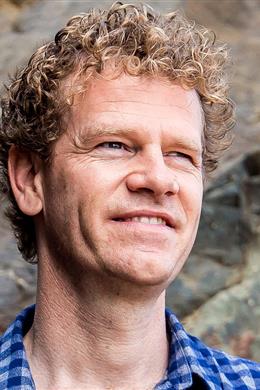
Weber van Bock
Weber van Bock is the founder of TENZING, a 100% natural energy drink, and has previously served as the Marketing Director of Red Bull in Europe. From 2006 to 2014, Van Bock played a key role in Red Bull's transformation from energy drinks to media business. He led many large-scale projects at Red Bull, including Revolutions in Sound, Air Race Ascot, and Imaginate launched by Danny McCaskell. In the UK, he helped establish Red Bull Media Home and launched related magazines and television channels, greatly promoting the brand's digital development and social influence. Van Bock initially worked as a management trainee at Unilever and received six years of professional skills and training there. Afterwards, he turned to operating the MTV network and accumulated valuable experience in traditional media and new social media. The network he created is one of the world's first social networks. Van Bock is considered one of the leaders of new marketing concepts, believing that brands should be more like publishers rather than traditional marketers. He published the book 'Social Branding' in 2004, laying a blueprint for how to achieve success in the new era of social media. His speech was perfect - well prepared, humorous, humble, and widely welcomed by the audience. He is an excellent speaker in marketing and user experience, and hiring him again would be our best choice\u2014\u2014\u2014\u2014 Zendesk Content Marketing Director
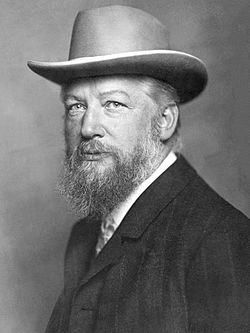
Wilhelm Ostwald
诺贝尔化学奖| (1904) | 1853-1932
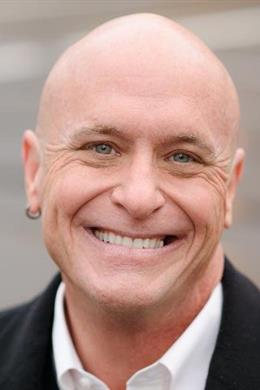
Will Bowen
Will Bowen, one of the greatest and revered spiritual mentors in America. He was the former chief pastor of the Christian Church Alliance in Kansas City, Missouri, and had many years of experience in broadcasting and marketing before joining the Pastoral Church. He loves sports, biblical history, horseback riding, traveling, reading, and initiated the No Complaint Movement, which has changed the fate of countless people. The main works include the world without complaint, etc. Will Bowen once initiated a quote; Do not complain; Exercise, invite each participant to wear a specially made purple bracelet, and as soon as they notice their complaint, switch the bracelet to the other hand, and so on, until the bracelet can continue to be worn on the same hand for 21 days. In less than a year, 80 countries and 6 million people around the world enthusiastically participated in this sport, learning to create a better life for themselves, and filling the world with positive energy of peace, joy, and vitality. And you can also become a part of it, wear a purple bracelet, accept 21 days of challenges, and create a blameless life for yourself! A world without complaints is a world-class inspirational book that sells well in 80 countries around the world! Ranked first in group buying rate among Fortune 500 companies! Recommended by Feng Lun, Tang Jun, Zhang Defen, and Oprah! Ranked first in sales of inspirational new books by Amazon, Taiwan Kingstone, and Chengpin Bookstore!
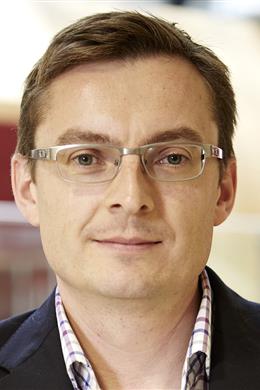
Will Venters
Dr. Will Venters is an assistant professor of information systems and digital innovation in the Department of Management at the London School of Economics and Economics. Wentes excels in handling various digital business issues, especially digital innovation, platforms and ecosystems, and cloud computing. He reports to European government decision-makers and executives from various companies, and serves as an information technology strategy and development consulting consultant. His research interests include cloud computing, digital platforms, artificial intelligence, the Internet of Things, and agile innovation methods. His research results have been published in major journals such as MIS Quarterly, Journal of Information Technology, Journal of Management Studies, and Information Systems Journal; He is also a co author of the book 'Moving to the Cloud Corporation'.
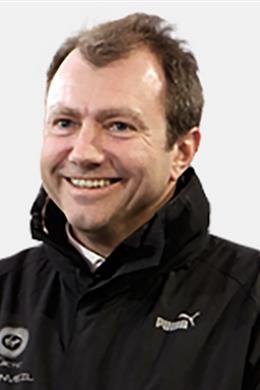
Will Whitehorn
Will Whitehorn joined Virgin Group in 1987 and served as the Group's Public Relations Manager. Previously, he worked for British Airways, Thomas Cook, and TSB Group. In the following years, he was responsible for Virgin Group's joint venture strategy and began to play a role in higher management. Will has expanded Virgin's development strategy to new areas such as financial services and telecommunications. Since 1997, he has joined Virgin's development team and embarked on a global expansion strategy for the Virgin brand's venture capital model. In 2000, Will was appointed as Virgin's Director of Brand Development and Corporate Affairs. In 2004, he was appointed as the President of Virgin Galactic Company. In 2007, due to his executive power, he became a special advisor to Sir Richard Branson, the founder of Virgin. In 2011, Will retired from Virgin Group. Currently, Will is a non-executive director of Jetta Group and Scottish Convention and Exhibition Center, and also serves as the chairman of High Speed Communications Limited, a leading technology and consumer media public company. In March 2013, he resigned from his position at the Science and Technology Facilities Council in response to the appointment of the Chairman of the UK Government Transport System Technology Strategy Committee and began exploring new transportation technologies.
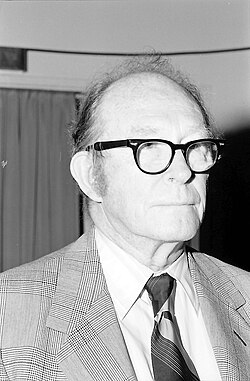
Willard Libby
诺贝尔化学奖| (1957) | 1908年-1980年
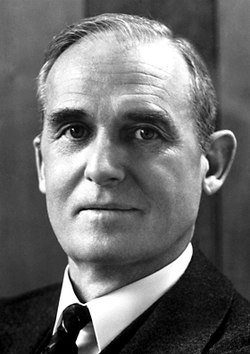
William Giauque
诺贝尔化学奖| (1937) | 1895年-1982年
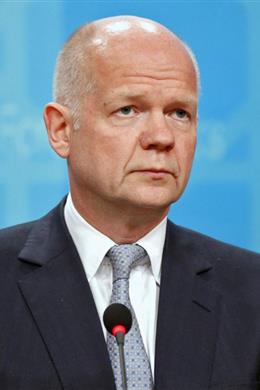
William Hague
William Hague, former British Foreign Secretary and former leader of the Conservative Party. On March 26, 1961, Haig was born into a small family in Yorkshire, northern England. He was the only son of his parents. Hagrid had lofty political aspirations since his youth, and at the age of 15, he joined the Youth Conservative Party Association, a youth organization of the Conservative Party. At the age of 16, he gave an emotional speech at the Conservative Party's annual meeting, clearly and forcefully expressing his conservative views, which not only attracted people's attention but also received praise from the then leader, Mrs. Thatcher. After graduating from Hagrid High School, he entered Oxford University and served as the chairman of the school's alumni association. Later, he studied at the Ansea Business School in France and worked for Shell and McKinsey, which specializes in management consulting. He was elected to parliament in 1989. In 1995, when Major reorganized his cabinet after assuming the leadership of the Conservative Party, he appointed him as the Minister of Welsh Affairs. On June 19, 1997, in the Conservative Party's leadership election, after three rounds of intense competition, William Hague, who was only 36 years old and not very prominent, defeated the previously popular Conservative Cabinet Secretary of the Exchequer Clark with an absolute advantage of 92 votes to 70, becoming the youngest leader of the Conservative Party in 200 years. On June 7, 2001, the UK held parliamentary elections. The Labour Party won again with an absolute advantage, and Conservative Party leader Hagrid admitted on June 8th that the election had failed, stating that the results were disappointing. He announced his resignation from the position of leader of the Conservative Party. He said he hopes the Conservative Party can find a leader who is innovative and more popular with the public. Hagrid said that we respect the choices of voters and we must listen to what they are saying. He said that the Conservative Party will look back on the past, boost morale, continue to work hard, and provide another opportunity for the British people to choose. However, Hagrid himself is a person with leadership qualities. On May 10, 2010, the UK held parliamentary elections. In the end, no political party won more than half of the seats in parliament, forming the first non majority parliament since 1974. Among them, the Conservative Party won 306 seats and became the largest party in parliament, while the Labour Party and the Liberal Democratic Party respectively won 258 and 57 seats. On May 11th, British Prime Minister Brown delivered a speech announcing his resignation from the position of Prime Minister. He then went to Buckingham Palace to formally submit his resignation to Queen Elizabeth II, who accepted his resignation. On the same day, Conservative Party leader Cameron took over the position of Prime Minister and began to form a new government at the request of Queen Elizabeth II. Conservative Party member William Hague holds the position of Foreign Secretary in the new government. Hagrid has strong self-confidence, judgment and courage, and is easygoing to others. Although young, premature balding gives the impression of maturity and sophistication. William Hague announced his resignation from the position of Foreign Secretary on July 14, 2014.
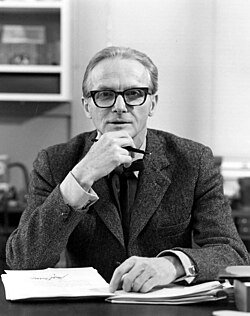
William Lipscomb
诺贝尔化学奖| (1973) | 1919-2011
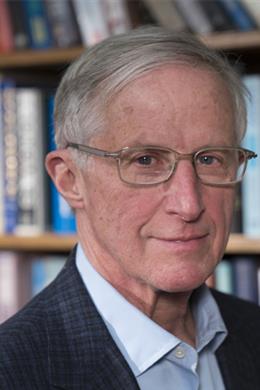
William Nordhaus
William Nordhaus was born in Albuquerque, New Mexico. He completed his undergraduate studies at Yale University in 1963 and received a doctorate in economics from the Massachusetts Institute of Technology in Cambridge in 1967. Nordhaus has taught at Yale since 1967 and has been a professor of economics since 1973, where he is also a professor at the Yale School of Forestry and Environmental Studies. Professor Nordhaus' wife, Barbara, works at the Yale Children's Learning Center. They live in downtown New Haven. William Nordhaus is a member of the National Academy of Sciences and the American Academy of Arts and Sciences, and he is a fellow of the National Bureau of Economic Research. Since 1972 he has served as a member and Senior Advisor to the Brookings Group on Economic Activity in Washington, DC. Professor Nordhaus is a current or former editor of several scientific journals and has served on the executive committees of the American Economic Association and the Eastern Economic Association. He has also served as a member of the Congressional Budget Office's Economic Expert Group and was the first chairman of the Advisory Board of the National Bureau of Economic Analysis, as well as the first chairman of the newly formed Committee on Federal Statistics of the American Economic Association. In 2004, the American Economic Association awarded him the Distinguished Fellow Award. From 1977 to 1979, Nordhaus was a member of the President's Council of Economic Advisers. He served as provost of Yale University from 1986 to 1988. He has served on several committees of the National Academy of Sciences, including the Commission on Nuclear Energy and Alternative Energy Systems, the Panel on Policy Implications of Greenhouse Warming, the National Statistical Commission, the Commission on Illicit Drug Data and Research, and the Commission on the Scientific and Social Impacts of Abrupt Climate Change. Most recently, he led a National Academy of Sciences panel that organized the group to produce a report called Nature's Numbers, which recommended including environmental and other non-market activities in national economic accounts. Most recently, with support from the Glaser Foundation, he directed the Yale Program in Nonmarket Accounting. Nordhaus is the author of many books, including Innovation, Growth, and Welfare Growth. Energy efficiency, reforming federal government regulation, global public management, warming the world, and the classic textbook Economics, co-authored with Paul Samuelson, the 19th edition of which was published in 2009. His research focuses on economic growth and natural resources, the economics of climate change, and resource constraints to economic growth. Since the 1970s, he has developed economic methods for studying global warming, including the construction of integrated economic and scientific models DICE and RICE models, which provide an effective way to address climate change. His most recent work, DICE-2007, has been published in Balance Issues Yale University Press, 2008. Professor Nordhaus has also studied wage and price behavior, health economics, expanded national income and production accounting, the political business cycle, productivity, and the new economy. In 1996, through a comparative study of the economic history of the Babylonian era, Nordhaus found that measures of long-term economic growth had been grossly underestimated. Before the 2002 US-Iraq war, he published a study that used Mesopotamian economics to estimate the cost of the US war in Iraq to be as high as $2 trillion. Most recently, he worked on the G-Econ project, which provides the first comprehensive measure of geophysical economic activity.
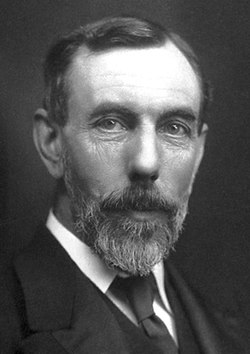
William Ramsay
诺贝尔化学奖| (1895) | 1852-1916
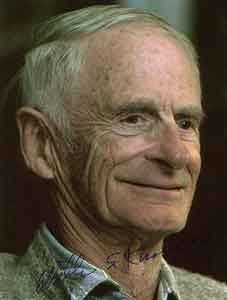
William Standish Knowles
诺贝尔化学奖| (2001) | 1917-2012
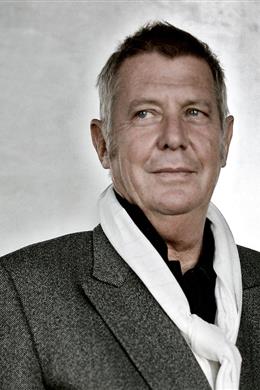
Wolf Prix
Wolf Prix was born in 1942 and is an Austrian architect and vice president of the Vienna University of Applied Arts. Prix has studied further at the Technical University of Vienna, the London Institute of Architecture, and the Southern California Institute of Architecture and Technology in Los Angeles, USA. Since 1993, he has been a professor of architectural design in Austria. He has served multiple times as a visiting professor at Columbia University in New York and became a faculty member of the school in 1998. He constantly pursued academic achievements, thus entering a new academic hall, working at the Southern California Institute of Architecture and Technology in Los Angeles and serving as the President of the University of California, Los Angeles, Harvey Pelov. From 1999 to 2003, he served as the Research Director of Architecture, Industrial Design, Product Design, Fashion, and Stage Design at the Vienna University of Applied Arts. Since October 2003, Prix has become the Vice President and Director of the Department of Architecture at the Vienna University of Applied Arts. He is a member of the Austrian Senate of the Arts, the European Academy of Sciences and Arts, the Advisory Committee on Architectural Culture, and architectural associations across Austria, Germany, Italy, Santa Clara\/Cuba, as well as the Royal Society of British Architects and the American Architectural Society. From 2000 to 2006, he was also a member of the board of directors of Austrian universities. In May 2009, Dr. Heinz Fischer, the President of the Austrian Federation, awarded him the Austrian Science and Art Medal in recognition of his highly innovative work. In his speech, he explored the relationship between architecture and contemporary politics in a very interesting way. Because both disciplines have a direct impact on personal and public life, building this bridge of connection is not farfetched.