Technology & Finance
126 位演讲者
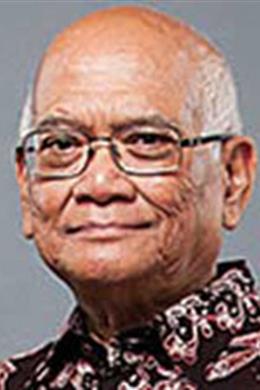
Rochardon Kunzoro Chackdi
Since the 1970s, Professor Dorodjatun, who has won international awards, has been deeply involved in the social, political, and business fields of Indonesia. He played a key role in business, foreign affairs, including United Nations reform, education, and Asian financial crisis management. Dorodjatun has held several ministerial and ambassador positions, such as Coordinating Minister for Economic Affairs. Dorodjatun graduated from the University of Indonesia, pursuing monetary economics and public finance, as well as the University of California at Berkeley, pursuing political and economic development and obtaining a doctoral degree. In 2003, he was awarded an Honorary Doctorate in Management by the Technology University of Malaysia, UTM, in Johor, Johor, Malaysia. In June 2011, he served as a visiting professor at Guangdong University of Foreign Studies and a visiting scholar at the Guangdong Research Institute for International Strategies, GRIIS, until June 2014. He is also teaching courses in defense economics and comparative economics systems at the newly established Indonesian Defense University. In 2013, he was also invited to become a member of the Murdoch First Committee\/Murdoch University, responsible for developing a long-term strategy for active participation in Indian Pacific affairs in Western Australia. Rochardon Dorodjatun was a member of the Policy Research Group of the Ministry of Foreign Affairs, and later was assigned to the Department of Foreign Economic Relations and served as Director General from 1992 to 1995. He was also appointed as the Senior Expert in Economic and Social Affairs for the Non Aligned Movement, the NAM Executive Body, and President Suharto was then the Chairman of the Movement. Subsequently, he was appointed as an advisor to the Pacific Business Forum (PBF) in Indonesia, which was later reorganized into a semi official APEC Business Advisory Council in Indonesia. From 1994 to 1997, he served as the ASEM Economic Business Forum at the Asia Europe Summit in Indonesia
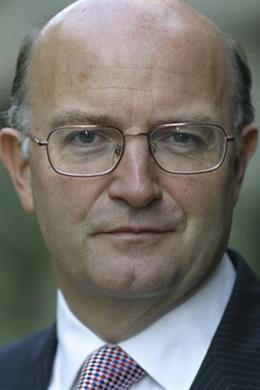
Roger Butler
Roger Bootle is one of the most famous economists in Europe, responsible for managing Capital Economics, one of the world's largest independent economic consulting firms. Butler Bootle was previously the Chief Economist of HSBC Group, and under the previous Conservative government, he was appointed as a member of the Independent Economic Advisers expert group for the Prime Minister, known as the Wise Man. In 2012, Butler Bootle and a team from Capital Economics, a macro firm at Capital Investment, jointly won the Wolfson Prize in History, the second largest economics award after the Nobel Prize. Butler Bootle has written many articles and works on monetary economics. Among them, the book 'The Trouble with Europe' has received widespread praise from the media and politicians. The revised paperback version of the book has added new content, including large-scale immigration, the impact of Scottish nationalism, the Greek crisis, and policy challenges faced by the European Central Bank. This book is another masterpiece by Butler, following the troubles of the market, The Trouble with Markets, which analyzes the underlying causes of the recent financial crisis and discusses its threat to capitalism. Like his previous book that correctly predicted financial crises - Money for Nothing - this book has also received widespread praise. This book, like the previous book 'The Death of Inflation', was a great success and not only became a bestseller, but was subsequently translated and published in nine languages. Butler is also a co author of the book \Theory of Money\ and the author of Index Linked Gilts on index linked gilts. Butler Bootle frequently appears on television and radio, and is also a regular columnist for The Daily Telegraph in the UK. In the 2012 Review Awards, he was named the Outstanding Economic Commentator of the Year. In the same year, he received the Wolfson prize for discovering the least destructive way to save the disintegration of the eurozone.
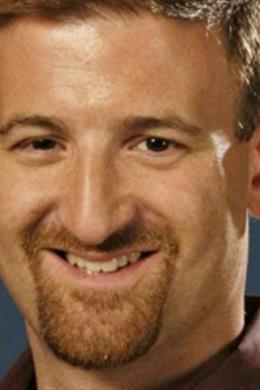
Roy Vera
Roy Vella is an expert in the field of mobile financial services and an independent consultant to some of the biggest players in the field such as Vodafone and the Global Mobile Association, GSMA as well as many startups for smaller players. Prior to the large-scale launch of mobile financial services, Roy Vella worked at Royal Bank of Scotland, where he was responsible for developing the bank's overall strategy and employed a team of 30 people to implement the global bank's mobile business, including the development of new products and services, stored value features, enabling mobile payments, customer acquisitions and joint venture partner management. In addition, prior to joining RBS, he spent five years at PayPal, first as Director of Business Development in the U.S. Business Services team and finally as head of Mobile Payments, where he led the company's mobile payments business in Europe. Prior to working at PayPal, Roy Vella was Vice President of Sales and marketing at 4charity, Inc., a software startup focused on Fortune 500 philanthropy, and prior to that, He is also a partner at Quantum Technology Ventures, a corporate venture capital firm focused on the storage industry. As an entrepreneur, Rovella co-founded NetAbacus, an online payment service for small businesses, and served as Vice President of Marketing/Strategic Relations. When the market turned in mid-2000, he facilitated Biztro's acquisition of NetAbacus, which merged to become Rivio, where he was responsible for channel marketing and customer acquisition. Before graduate school, he began his career in the customer service department of the Leo Burnett Company, an advertising agency in Chicago, Its customers include Sony Consumer Electronics and Miller Brewing. Roy is actively involved in public service and currently serves on the Board of Directors of the Stanford Business School Alumni Association, as well as Variety Children#39, a charity in Northern California. Chairman emeritus of the Board of Directors of s Charity of Northern California.
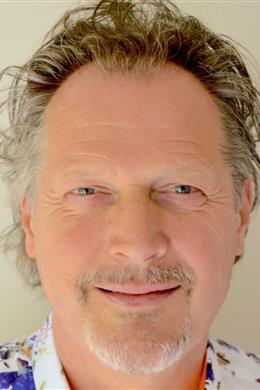
RudyDe Waele
Rudy Dwelli is a futurist, innovative strategist, content curator, and author. He helps global brands, organizations, and entrepreneurs develop cutting-edge and open innovation strategies, using new methods to reshape and reform enterprises. His unparalleled experience, knowledge, and insights help leaders maintain a leading edge. DeVilli focuses on predicting technological trends, analyzing how to achieve prosperity in the new economy era, and creating meaningful enterprises driven by value through the establishment of Socratic style design studios. The global brands he has helped include BMW, International Business Machines, Coca Cola, Google, Intel, Investcorp, Louis Vuitton, MasterCard, Orange, PayPal, Samsung, Telecom Spain, Vodafone, and the World Bank. His latest book, How 2020 Technology Will Affect Our Future, features the insights of several world leading technology experts, exploring how technologies such as the Internet of Things, genetics, robotics, and artificial intelligence will affect our collective daily lives. He has hosted over 200 leading industry events in over 50 cities worldwide. He is a partner of The Futures Agency, a member of the IoT Council think tank, a strategic advisor and ambassador to Smart Cities World.
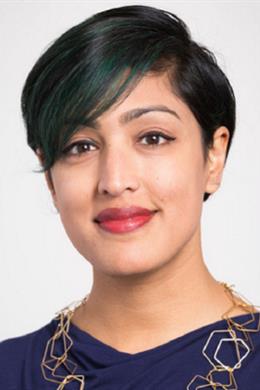
Rumen Chowdhury
Chowdhury has a certain background in social science education and later ventured into the field of data science. Currently, she is the global supervisor of Accenture responsible AI and the global leader responsible for the artificial intelligence team. Chowdhury collaborates with businesses to develop artificial intelligence, reflecting his responsible corporate values, actively embracing the AI economy, and being able to comply with relevant regulations. Chowdhury has also created cutting-edge technological solutions that make artificial intelligence ethical and transparent. Meanwhile, Chowdhury also explored future work plans. Chowdhury works on the board of directors in his spare time and serves as a consultant for multiple artificial intelligence startups and funds, as well as an AI mentor for the blockchain accelerator project located in Oslo, Norway. She also collaborated with the Food Technology Initiative of the United Nations World Food Programme to develop a refugee training work plan. Chowdhury is also the founder of Allai, an artificial intelligence personal development tool that can improve conference efficiency. It will soon appear in the MBA case study competition at Wharton Business School. Chowdhury is a contributing writer for Forbes Technology and has been named one of the 10 most influential experts in artificial intelligence and machine learning by Infoweek. She was named one of the 100 women by the BBC and one of the 40 women under the age of 40 in the Gulf region. The theme of the speech includes: Did big data disappoint us in the 2016 election? Uncovering the Secrets of Deep Learning and Artificial Intelligence 2016 \u2022 Ethics and Ethics in Outsourcing and Data Science, Female Catalysts 2016 \u2022 Expanding New Dimensions of Human Ability \u2022 Moral Outsourcing \u2022 The Fourth Industrial Revolution, or have I learned how to stop worrying about and loving artificial intelligence \u2022 Managing the Risk Governance of Future Artificial Intelligence \u2022 How will humanity find meaning in the post society?
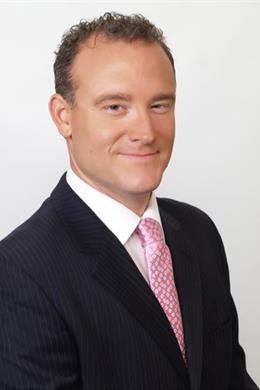
Schenkel
Schenkel is known as one of the world's most accurate financial forecasters and futurists. Bloomberg News ranks Schenkel as the top forecaster in 42 sectors, and his predictions for 25 of them are amazing, including the euro, the British pound, the Swiss franc, the Russian ruble, the Chinese yuan, crude oil prices, natural gas prices, gold prices, industrial metals and agricultural prices, and U.S. new home sales and employment. Sheinkel regularly attends Opec and Federal Reserve events and gives keynote speeches to public corporations, industrial groups, the Federal Reserve, and NATO. Schenkel is a writer for the Bloomberg Bloomberg Prophets column and the author of several books, Among them Jobs for Robots, 101 commodity Prices 101, recession-proof and Electing Recession became Amazon #1 bestsellers. He has published works Robot-Proof Yourself and Be the Shredder, Not the Shred, and is The editor of The Robot and Automation Almanac, the annual journal of the Institute for the Future. As president of Energy Advisors in Austin, Texas, Sheinkel advises executives, industrial groups, institutional investors and central banks. He founded the Institute for the Future in October 2016 and has created a rigorous course of study covering the future of work, transportation, data, finance, energy, leadership, healthcare, and the basics of futurism. Mr. Schenkel is an instructor at LinkedIn Learning, which specializes in corporate financial risk management. Sheinkel is active in fintech. In the fall of 2016, he founded Hedgefly, a platform for risk management using blockchain technology and the Bitcoin backend. Sheincole is the executive director of the Texas Blockchain Association and a member of the Central Texas Angel Network, the most active angel investor network in the United States. He's also a futurist at Hyperloop Massachusetts. Sheinkel holds a master's degree in applied Economics from the University of North Carolina, a master's degree in negotiation from California State University Dominguez Hill, a master's degree in German from the University of North Carolina at Chapel Hill, and a bachelor's degree in History and German from the University of Virginia. He also holds a certificate in Fintech and Supply Chain Management from MIT, a certificate in Professional Development from the University of North Carolina, and a certificate in negotiation from Harvard Law School. Sheinkel holds several professional titles, including Certified Financial Planner, Certified Futurist, and long-term Analyst. He is currently completing a cybersecurity certificate program at Carnegie Mellon University. Based in Austin, Sheincole is one of only 100 ceos of the Texas Business Leaders Council, a nonpartisan group that advises Texas's elected state and federal government leadership. He also serves on several boards of Directors and is a governance Fellow of the National Association of Corporate Directors. Sheincole is a member of the advisory board of Hidden Star, a nonprofit organization dedicated to helping low-income, minority and disadvantaged entrepreneurs advance and succeed. Sheincole is also a 2018 director of the Texas Lyceum, a nonpartisan, nonprofit organization that promotes business and policy dialogue between the United States and Texas on important issues.
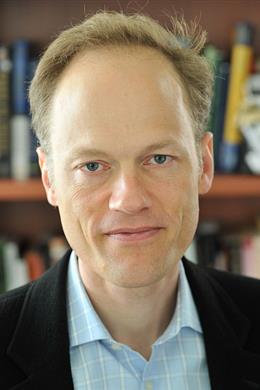
Sebastian Marabi
Sebastian Marabi is a Senior Researcher in International Economics at the Council on Foreign Relations of the United States. Through five years of research, Marabi gained exposure to and gained knowledge of the former Chairman of the Federal Reserve, and wrote a biography of Alan Greenspan. His previous book, Money Than God: Hedge Funds and the Making of a New Elite, was called unparalleled by New York Times columnist David Brooks; This book won the Loeb Prize in 2011 and is a finalist for the Financial Times\/Goldman Sachs Awards, as well as a bestseller for the New York Times. Marabi's early work, The Worlds Banker, depicted a portrait of the World Bank under the leadership of James Wolfensohn, which was rated by the New York Times as an editor's recommended work; His other book, After Apartheid, was referred to as a famous book by the New York Times. Before joining the Washington Post in 1999, Marabi worked with The Economist for 13 years. At The Economist, he wrote articles on foreign policy and international finance, reporting on the release of Nelson Mandela and the collapse of racial segregation, as well as the dispersion of political and economic consensus in Japan. From 1997 to 1999, Marabi was the webmaster of The Economist Washington Reporter Station and wrote a column for the Lexington Journal of American Politics and Foreign Policy. He has won the Pulitzer Prize twice: once for an editorial on Darfur and once for an article on economic inequality. In 2015, he helped establish a website called InFactsorg, which provided factual evidence for the UK's study in Europe. Writing the Biography of Alan Greenspan: Richer than God - Hedge Funds and the Birth of a New Elite World Banker: Post apartheid
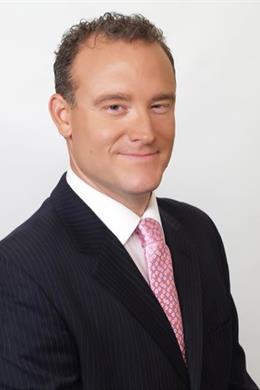
Sheinkel
Schenkel is known as one of the world's most accurate financial forecasters and futurists. Bloomberg News ranks Schenkel as the top forecaster in 42 sectors, and his predictions for 25 of them are amazing, including the euro, the British pound, the Swiss franc, the Russian ruble, the Chinese yuan, crude oil prices, natural gas prices, gold prices, industrial metals and agricultural prices, and U.S. new home sales and employment. Sheinkel regularly attends Opec and Federal Reserve events and gives keynote speeches to public corporations, industrial groups, the Federal Reserve, and NATO. Schenkel is a writer for the Bloomberg Bloomberg Prophets column and the author of several books, Among them Jobs for Robots, 101 commodity Prices 101, recession-proof and Electing Recession became Amazon #1 bestsellers. He has published works Robot-Proof Yourself and Be the Shredder, Not the Shred, and is The editor of The Robot and Automation Almanac, the annual journal of the Institute for the Future. As president of Energy Advisors in Austin, Texas, Sheinkel advises executives, industrial groups, institutional investors and central banks. He founded the Institute for the Future in October 2016 and has created a rigorous course of study covering the future of work, transportation, data, finance, energy, leadership, healthcare, and the basics of futurism. Mr. Schenkel is an instructor at LinkedIn Learning, which specializes in corporate financial risk management. Sheinkel is active in fintech. In the fall of 2016, he founded Hedgefly, a platform for risk management using blockchain technology and the Bitcoin backend. Sheincole is the executive director of the Texas Blockchain Association and a member of the Central Texas Angel Network, the most active angel investor network in the United States. He's also a futurist at Hyperloop Massachusetts. Sheinkel holds a master's degree in applied Economics from the University of North Carolina, a master's degree in negotiation from California State University Dominguez Hill, a master's degree in German from the University of North Carolina at Chapel Hill, and a bachelor's degree in History and German from the University of Virginia. He also holds a certificate in Fintech and Supply Chain Management from MIT, a certificate in Professional Development from the University of North Carolina, and a certificate in negotiation from Harvard Law School. Sheinkel holds several professional titles, including Certified Financial Planner, Certified Futurist, and long-term Analyst. He is currently completing a cybersecurity certificate program at Carnegie Mellon University. Based in Austin, Sheincole is one of only 100 ceos of the Texas Business Leaders Council, a nonpartisan group that advises Texas's elected state and federal government leadership. He also serves on several boards of Directors and is a governance Fellow of the National Association of Corporate Directors. Sheincole is a member of the advisory board of Hidden Star, a nonprofit organization dedicated to helping low-income, minority and disadvantaged entrepreneurs advance and succeed. Sheincole is also a 2018 director of the Texas Lyceum, a nonpartisan, nonprofit organization that promotes business and policy dialogue between the United States and Texas on important issues.
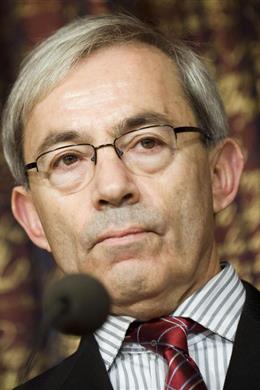
Sir Christopher Pisarides
Sir Christopher Pisarides is a professor of economics at the London School of Economics, a professor of European studies at the University of Cyprus, the Chairman of the National Economic Commission of the Republic of Cyprus, and a visiting professor at the Hong Kong University of Science and Technology. He studied at the University of Essex and the London School of Economics, and spent most of his career there. In addition, he has also studied for a long time at Harvard University, Princeton University, and Berkeley University in the United States. Christopher specializes in the fields of economics, including labor markets, macroeconomic policies, economic growth, and structural changes. Due to his outstanding contributions in market search friction, Christopher, along with Professor Dalmotson of Northwestern University and Professor Peter Diamond of the Massachusetts Institute of Technology, jointly won the 2010 Nobel Prize in Economics. Prior to this, in 2005, he and Del Mortensen jointly won the IZA Prize in Labor Economics from the German Institute of Labor Studies, becoming the first European economist to receive this award. He has extensively written in professional journals, magazines, and the press, and his work on the theory of balanced unemployment has been translated into multiple languages, becoming an important reference material for unemployment economics. His views are often cited in news reports about the eurozone and the future of European integration. He is a researcher at the British Academy of Sciences, Athens College, European Academy of Sciences, and other academic groups, and a lifetime honorary member of the American Economic Association. In 2011, he served as the President of the European Economic Association and received the highest honor of the Republic of Cyprus - the Grand Cross. In 2013, he was knighted.
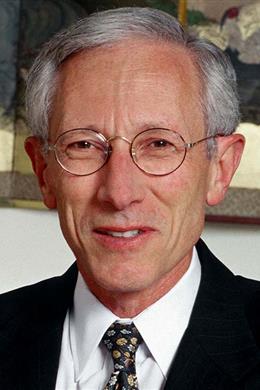
Stanley Fischer
Stanley Fisher is a world-renowned economist who was previously one of the most respected central bank governors in the world. In September 2013, he joined the Council on Foreign Relations of the United States as a distinguished researcher. He has a rich resume and has held positions including the Governor of the Bank of Israel, Vice Chairman of Citigroup, Chief Economist of the World Bank, and First Vice President of the International Monetary Fund. Fisher is known for his composure, adaptability, and outstanding achievements. On May 28, 2014, he became a member of the Federal Reserve Board of Directors and was sworn in as Vice Chairman on June 16, 2014; On October 13, 2017, he stepped down as Vice Chairman of the Federal Reserve. From 2005 to 2013, Fisher served as the Governor of the Bank of Israel. Under his leadership, the Israeli economy continued to grow despite the global economic downturn from 2008 to 2009. In September 2009, the Bank of Israel became the first bank in a developing country to raise interest rates and ranked first in the World Competitiveness Yearbook published by the Swiss Institute for International Management and Development IMD. From 2009 to 2012, Fisher received positive reviews from A for four consecutive years in the Central Banker Report Card, a ranking of central bank presidents in the Global Finance Magazine. In May 2010, he was re elected as president. Previously, Fisher served as Vice Chairman of Citigroup from 2002 to 2005, Head of Citigroup's Public Sector Group from 2004 to 2005, Chairman of the National Risk Committee, and President of Citigroup International. From 1994 to 2001, Fisher served as the First Vice President of the International Monetary Fund; From 1988 to 1990, he served as the Vice President, Development Economics, and Chief Economist of the World Bank. In addition, Fisher is also an outstanding scholar. He holds a PhD in Economics from Massachusetts Institute of Technology and taught economics at MIT from 1973 to 1994. Previously, Fisher served as Killian Professor and Director of the Department of Economics at MIT.
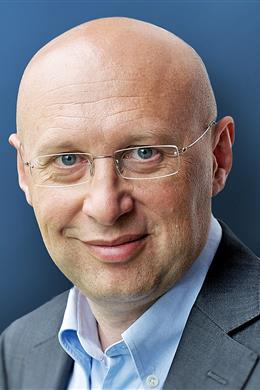
Stefan Hell
Stefan W Hull is a scientific member of the Max Planck Society and the director of the Max Planck Institute of Biophysics and Chemistry in G \u00f6 ttingen, currently responsible for the Department of Nanophotonics; Honorary Professor of Experimental Physics at the University of G \u00f6 ttingen and Associate Professor of Physics at the University of Heidelberg. Since 2003, Hull has been leading the high-resolution optical microscopy department at the German Cancer Research Center DKFZ in Heidelberg. He is also a board member of the G \u00f6 ttingen Laser Laboratory and a member of the G \u00f6 ttingen and Heidelberg Academy of Sciences. In 1987, under the advice and guidance of Professor S Hunklinger, Stefan W Hull obtained a degree in physics from the University of Heidelberg and a doctoral degree in 1990. From 1991 to 1993, Hull worked at the European Molecular Biology Laboratory in Heidelberg. From 1993 to 1996, he served as a senior researcher at the University of Turku in Finland and as a visiting scientist at the University of Oxford in the UK in 1994. In 1997, he was appointed to work at the Max Planck Institute of Biochemistry in G \u00f6 ttingen, where he established a research group on sub diffraction resolution microscopy, which is also his current research topic. In 2002, after being promoted to director, he established the Department of Nanophotonics. Hull conceived, validated, and applied the first feasible concept, mainly used to destroy Abbeamp in a light focusing microscope; The diffraction limit resolution barrier. And as a result, it has been widely praised. He has published approximately 200 original articles and won multiple awards, including the Leibniz Prize in 2008, the Lower Saxony Prize in 2008, the Ottohan Prize in 2009, the Kavley Prize in 2014, and the Nobel Prize in Chemistry in 2014.
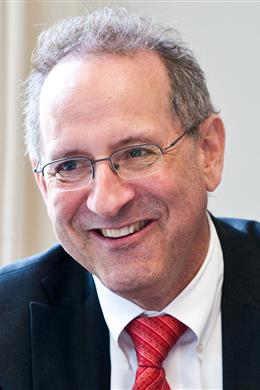
Stephen G. Chekati
Stephen G. Cecchetti joined Brandeis University in 2003 and became a professor in the Department of International Economics and Finance at the International Business School. He is also a researcher at the Rosberg Institute in Brandeis, studying global financial issues. He is also a visiting professor at Princeton University, Oxford University, University of Melbourne, and Boston College. In addition to serving as a professor, Professor Chekati also served as Executive Vice President and Researcher at the Federal Reserve Bank of New York from 1997 to 1999; Currency, Credit, and Banking Research Editor 1992-2001; Researcher at the National Bureau of Economic Research, 1989 to present; Editors of magazines such as American Economic Review 1992-1998 and Economic Literature 1993 to present. Professor Cheketi is also an advisor to many central banks around the world, including the European Central Bank, the Bank of England, the Central Bank of Bolivia, and the Federal Bank of Australia. Monetary Finance is the latest textbook on monetary banking. This book closely combines the economic realities of the United States and other countries, with the five core principles of finance as the main thread. It introduces the basic knowledge and operating rules of monetary banking and financial markets in a simple and profound manner, and also provides a comprehensive and in-depth discussion on the design and implementation of monetary policy and the latest development of monetary economics. The characteristic of monetary finance is to focus on introducing the basic operating laws of the financial system, rather than analyzing its current structure and rules. This method helps students understand the constantly changing financial system.
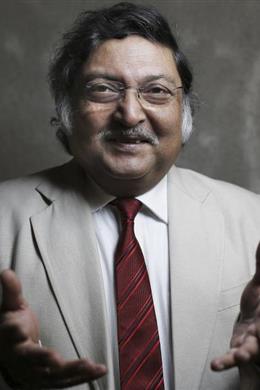
Sugata Mitra
Global education superstar Sugatomitra is a 2013 TED Award winner, initiator of the \Hole in the Wall\ project, concept proposer of cloud based schools, and source of inspiration for the Oscar winning film \Slumdog Millionaire\. Sugat Mithra is a professor of educational technology at the School of Education, Communication, and Language Sciences at the University of Newcastle in the United Kingdom. He is a retired chief scientist at NIIT and has served as a visiting professor at the Massachusetts Institute of Technology in the United States. Due to covering a wide range of academic fields in 30 years of research, Sugat is praised as a erudite by the University of London. He was also named a global education superstar by The Times. Sugat is famous for its \Hole in the Wall\ project, which is widely used in literacy and education. He also proposed the concept of cloud based schools and won the 2013 TED Award for $1 million. He envisioned a cloud school that fully utilizes students' self-learning ability, greatly reduces educational investment, subverts traditional educational methods, and creates educational equity. In 1999, the \Hole in the Wall\ project was first launched as an experiment aimed at children's learning. At the beginning of the experiment, a computer was placed in a wall pavilion in the Kalkaji slum of Delhi, and children could use it for free. The purpose of this experiment is to prove that children can easily learn through computers without any formal training. Sugat referred to this type of learning as the Wall Digging Online MIE Education Program. This experiment was conducted in multiple locations, with over 40 cave in wall projects in suburban India. In 2004, Cambodia also implemented this experiment. The interests of the \Hole in the Wall\ project include education, remote display, spontaneous organization system, cognitive system, natural science, and consciousness. The hole in the wall experiment project has also left a mark on popular culture. After reading reports on the Sugat experiment, Indian novelist and diplomat Vikas Swalup became inspired and created his first novel, Qamp; A. Subsequently adapted as the Oscar winning film Slumdog Millionaire.
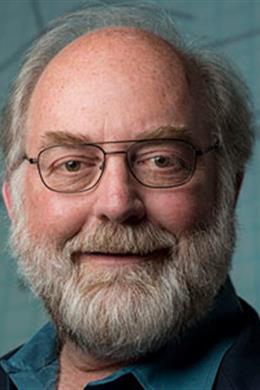
Thomas Frey
As the author of the book \Communicating with the Future\ published in 2011, Futurist spokesperson Thomas Frey is a powerful visionary who is revolutionizing our thinking about the future. Thomas Frey said that the greatest value of understanding the future lies in timely identifying important cultural, demographic, social, and economic changes and translating them into feasible business strategies. Thomas Frey constantly breaks cognitive limits by creating captivating scenarios and concepts for the future world. He has always been fortunate to occupy the headlines with some of the most well-known figures of today, such as Tom Peters; Nobel Peace Prize winner Mohammad Yunus; Jack Welch, former CEO of General Electric; Former New York City Mayor Rudy Giuliani; Former President of Colombia, Andr \u00e9 s Pastrana; Spanish Prime Minister Felipe Gonz \u00e1 lez M \u00e1 rquez; Joseph Stiglitz, Nobel laureate in economics; Saudi Prince Turki AlFaisal and James Wolfensohn, former President of the World Bank. As the Executive Director and Senior Futurist of the Da Vinci Institute, he collaborates closely with the Institute's senior researchers, Institutes Senior Fellows, and the Visionary Board of Directors to conduct original research learning, which allows him to frequently express insights on unusual topics and turn trends into unique opportunities. Because his work inspired countless inventors and other reform thinkers, the Boulder Daily Camera website referred to him as the Father of Invention, while the Denver Post and Seattle Post Intelligence referred to him as Dean of Futurists. Thomas has appeared in hundreds of articles published in numerous domestic and international publications, including the New York Times, Huffington Post, Times of India, USA Today, US News and World Report, Futurist Magazine The
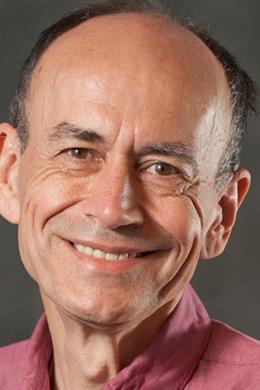
Thomas Sudkhov
Thomas Christian Sudkhov was born on December 22, 1955 in Gottingen, Germany. In 1982, he obtained his MD degree in medicine from the University of Gottingen. He completed his doctoral thesis with Professor Victor P Whittaker at the Max Planck Institute of Biochemistry MPIB in G \u00f6 ttingen, focusing on the biophysical structure of secretory particles. From 1983 to 1986, Dr. Sudkhov, along with Mike Brown and Joe Goldstein, received training as a postdoctoral researcher at the University of Texas, Dallas, in the southwestern Texas area, to elucidate the structure, expression, and cholesterol dependent regulation of LDL receptor genes. Dr. Sudkhov began his independent career as an assistant professor at UT Southwestern at the University of Texas Southwest in 1986. At the beginning of establishing the laboratory, he decided to shift from the field of cholesterol metabolism to the field of neuroscience, mainly studying the molecular characteristics of synaptic transmission. His work initially revolved around the mechanism of neurotransmitter release, which was the first step in synaptic transmission. Its molecular basis was still completely unknown in 1986. Later, Sudkhov's work gradually focused on analyzing and studying the formation of synapses in the following aspects; The process of regulating the initial aggregation state of synapses, as well as maintaining, disappearing, and determining their characteristics. Sudkhov taught at UT Southwestern at Dallas Southwest University until 2008 and was one of the founders of the department of neuroscience at the university. In 2008, Sudkhov came to Stanford University and served as a professor at Stanford University School of Medicine. In addition, Sudkhov has been serving as a researcher at the Howard Hughes Medical Research Institute since 1986.
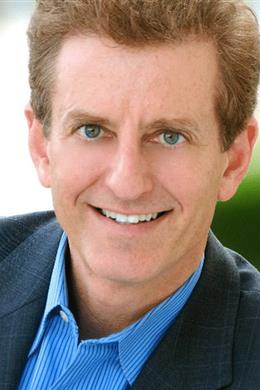
Todd Buchholz
Todd Bushholtz is an international economist, hedge fund manager, recipient of the Harvard University Annual Teaching Award, and former White House Director of Economic Policy. Todd Bushholtz is often invited to write news opinions on the impact on financial markets. He works as a commentator in various television and radio programs. He is a frequent guest of ABC American Broadcasting Company, PBS American Public Broadcasting Company, and CBS Columbia Broadcasting Company, and hosts a special program with Todd Bushholtz on CNBC's Financial Channel. Todd Bushholtz has written many highly acclaimed bestsellers, many of which have been successful as case studies for subsequent speeches. His book has been translated into over a dozen languages and used as a textbook in universities around the world, including Harvard University, Duke University, and Princeton University. He has served as an advisor to the White House, Microsoft, Allstate, Goldman Sachs, IBM, SAP, and Toyota. Bushholtz conducts research on economics, business, and entrepreneurship in the context of global society, and has written articles for the New York Times, Wall Street Journal, Washington Post, Forbes, and Reader's Digest.
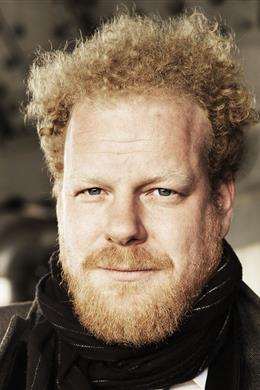
Tomash Sedrachek
Normal 0 78 pt. 0 2 false false false EN-US ZH-CN X-NONE\/* Style Definitions *\/tableMsoNormalTable mso style name: Normal Table; Mso tstyle rowband size: 0; Mso tstyle colband size: 0; Mso style noshow: yes; Mso style priority: 99; Mso style qformat: yes; Mso style parent:; Mso padding alt: 0cm 54pt 0cm 54pt; Mso para margin: 0cm; Mso para margin bottom: 0001pt; Mso pagination: widow-orphan; Font size: 120pt; Font family: Calibri, sans serif; Mso ascii font family: Calibri; Mso ascii theme font: minor latin; Mso hansi font family: Calibri; Mso hansi theme font: minor latin; Mso ansi language: EN-GB; Mso fareast language: EN-US; Tomas Sedrachek has changed our view of the economy. He has provided new solutions and explanations from a new perspective to address the problems that are troubling us. Yale Economic Review views him as a young elite in the economic community and one of the five most influential economists in the field. With the publication of his groundbreaking book 'Good and Evil in Economics', his influence in the economic community continued to increase. The book is published by Oxford University Press. How to integrate market economy with mathematical models, and economic models have already answered this question. The current question is whether the market economy operates as we hope? Excellent communication skills and
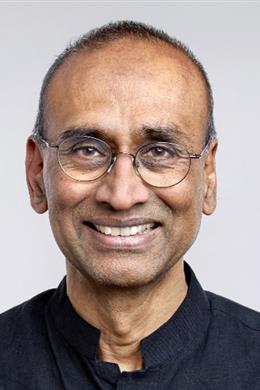
Venkatlaman Ramakrishnan
Venkat Raman Ramakrishnan, commonly known as Venkat Markkrishnan by colleagues, is an Indian British structural biologist with American nationality and one of the 2009 Nobel Prize laureates in Chemistry. In 1952, Ramakrishnan was born in Gidenboram, Tamil Nadu, India; In 1971, obtained a Bachelor of Science degree in Physics from the University of Baroda, India; In 1976, he obtained a doctoral degree in physics from Ohio University in the United States. Afterwards, I completed a two-year graduate program in biology at the University of California, San Diego, thus transitioning from theoretical physics to the field of biology. Since 1999, he has served as the director of the Molecular Biology Laboratory of the Medical Research Council in the UK, located on the campus of the School of Biomedical Sciences at the University of Cambridge. He is also the deputy director of the school. In 2009, he won the Nobel Prize in Chemistry together with Ada Yunas and Thomas Steutz for their research on the structure and function of ribosomes. In addition, he is also the current chairman of the Royal Society of the UK and has been holding this position since November 2015. Ramakrishnan and Peter Moore began conducting research on ribosomes during their postdoctoral studies at Yale University. Ramakrishnan is also known for his past research work on tissue proteins and nuclear chromatin. His research fields mainly include biochemistry and biophysics, and he excels in studying the structure and function of ribosomes and macromolecular crystallography. In 2015, his paper with the highest citation rate was published in journals such as nature, science, and cells, according to the Scopus database. Ramakrishnan and Peter Moore began conducting research on ribosomes during their postdoctoral studies at Yale University. Ramakrishnan is also known for his past research work on tissue proteins and nuclear chromatin. His research fields mainly include biochemistry and biophysics, and he excels in studying the structure and function of ribosomes and macromolecular crystallography. In 2015, his paper with the highest citation rate was published in journals such as nature, science, and cells, according to the Scopus database. Ramakrishnan has won numerous honors and awards for his outstanding achievements in the field of research. In 2002, Ramakrishnan was elected as a member of the European Organization for Molecular Biology; Selected as a member of the Royal Society of England in 2003; In 2004, he became a member of the National Academy of Sciences in the United States. In 2007, Ramakrishnan was awarded the Louis Jeantet Medical Award, the Datta Lectureship Award, and the European Union of Biochemical Societies Medal. In 2008, he won the Hitley Medal from the British Biochemical Society. Since 2008, he has been a researcher at Trinity College of Cambridge University and a foreign researcher at the National Academy of Sciences in India. In 2009, he was jointly awarded the Nobel Prize in Chemistry with Ada Yunas and Thomas Steutz. In 2010, he received the Lotus Medal of Honor, the second largest civilian honor in India. Ramakrishnan was knighted on the 2012 New Year Honors List for his outstanding contributions to the Institute of Molecular Biology, but he generally does not use the title. In the same year, he obtained a degree in European Biochemistry
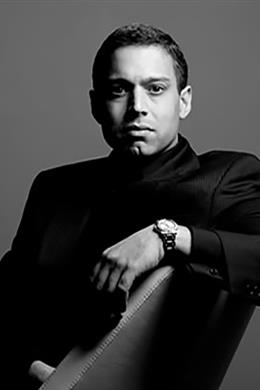
Vikram Mansharamani
Dr. Mansharamani Vikram Mansharamani is the author of Prosperity and Depression Studies focusing on the financial foam before it burst, and is a regular commentator of financial and commercial media such as Bloomberg, Market Watch, CNBC, Forbes, Fortune, New York Times, Wall Street Journal, Atlantic, Yale Global, South China Morning Post, Korea Times, Gulf Times, Harvard Business Review and Daily Beast. Dr. Mansharamani Vikram Mansharamani's writing includes how to manage risk and uncertainty in China, food, global economy, financial foam and energy topics. His views have been published in media outlets such as The Wall Street Journal, The Economist, and Harvard Business Review. He is a global keynote speaker who frequently appears on television and radio programs. Dr. Mansharamani is a lecturer in ethics, politics, and economics at Yale University, teaching business ethics courses. His current research interests include foam in financial and non-financial markets, economics of food and fuel, and the relative value of experts and generalists in understanding complex issues. Dr. Mansharamani often serves as an advisor to endowments, foundations, sovereign wealth funds, and family offices. His clients include Kiewit, Carlyle, Abu Dhabi National Bank, Schroder Investment Management, Veracity Global, Wellesley College Investment Office, and Carnegie Foundation. Dr. Mansharamani combines his over 20 years of practical investment experience and his theoretical understanding of complex dynamics to assist in asset allocation, investment strategies, manager selection, and portfolio management.
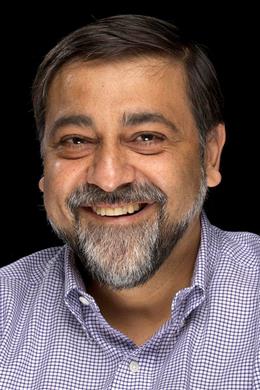
Vivek Wadhwa
Vivek is an entrepreneur as well as an academic, author, and keynote speaker. His research focuses on robotics, artificial intelligence, computing, synthetic biology, 3D printing, medicine, and nanomaterials, and how these advances will disrupt companies, industries, governments, and cultures. Vivek returned to Harvard to embark on a major three-year research project into the impact of technology on the future of employment and work. This project, in collaboration with a renowned team at Harvard Law School, will be the first study of how technology will affect the core of the economy. He just received the Silicon Valley Forum's 2018 Visionary Award. s 2018 Visionary Award-Winner. Past winners of this award include Bill Gates, Elon Musk, Linda Rotenberg, Scott McNealy, Ray Kurzweil, Reed Hastings, Tim O 'Reilly, Woosley, Anne Wojcicki, Reed Hoffman and others. In June, Vivek will release his highly anticipated new book Your Happiness Was Hacked: Why Tech Is Winning the Battle to Control Your Brain--and How to Fight Back. Vivek is currently a distinguished fellow at Carnegie Mellon University's School of Engineering, He teaches at Carnegie Mellon University's Silicon Valley campus on the latest in exponential technologies, technology convergence and industrial disruption, risk and regulation, and the new rules of innovation. Vivek is also director of research at Duke University's Pratt School of Engineering and vice president of Innovation and Research at Singularity University. He is also a fellow at Stanford University's Rock Center for Corporate Governance, Harvard Law School, and Emory University. Notably, he held six positions simultaneously at top universities. Vivek's previous award-winning books, Drivers in Driverless Cars: How Our Technology Choices Will Create The Future: The Driver in the Driverless Car: How Our Technology Choices Will Create the Future, etc. Why America is losing The global race to attract entrepreneurial talent The Immigrant Exodus: Why America Is Losing the Global Race to Capture Entrepreneurial Talent was named the Economist's 2012 Book of the Year. Innovating Women: The Changing Face of Technology has placed Vivek at number two on the Financial Times' list of 10 Men to Emulate. Vivek's ability to teach the complexities of global technological progress in a simple and poetic way has made him one of the world's most sought-after keynote speakers. He speaks more than 100 times a year to some of the most prestigious and influential people and organizations, such as global leaders, ceos, industry organizations, universities, entrepreneur groups, and many national academies of science and engineering. In 2012, Vivek was named an American of Distinction by the U.S. government in recognition of his dedication to this country and commitment to his civic values as an American. In the same year, he was named one of the world's Top 100 Global Thinkers by Foreign Policy magazine; In June 2013, he was featured in Time magazine's Tech 40Tech 40 as one of the 40 most influential people in tech. In September 2015, Vivek was ranked second on the Financial Times' list of 10 Men worth emulating.