Technology & Finance
126 位演讲者

Graham Brown Martin
For many years, Graham Brown Martin has been committed to establishing a rapidly growing technology enterprise in the entertainment, education, and publishing industries. Nowadays, he collaborates with large enterprises and startups in the business and social sectors to help them identify the innovation immune system and unleash their creative potential. He constantly seeks breakthroughs and draws on his entrepreneurial experience to challenge the current situation in the digital, creative, and educational industries. He designed mobile computers in the 1980s, interactive digital music systems in the 1990s, and cloud storage systems in the early 21st century. He leads the audience to embark on a unique imagination of the future. By chance, he met the pioneer of artificial intelligence, Seymour Palt, and Graham devoted himself to artificial intelligence systems for nearly 30 years, paying particular attention to the educational changes brought about by artificial intelligence. Last year, Graham created a flexible learning experience for senior leaders of a FTSE 100 financial services company. He designed a science project for elementary school children to learn how to work with automated humanoid robots through the Internet of Things and experiential learning. Graham launched the Learning Without Frontiers LWF, a global movement that brings together renowned educators, technologists, and creators to share their profound and challenging ideas about the future of learning. In 2013, he left LWF and began practicing new projects and ideas to transform the way we learn, communicate, and live. His work 'Re Imagination Learning' was published by Rumsbury Publishing Company in 2015.
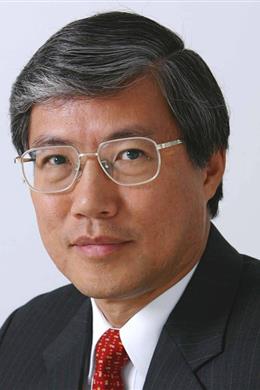
Gu Chaoming
Book Escape from Balance Sheet Recession and QE Traps: The Dangerous Path to the World Economy: The Causes of Balance Sheet Recession, Countermeasures, Holy Grail of Political Macroeconomics - Lessons from the Great Depression in Japan - Koo Chaoming is the Chief Economist of Nomura Institute, a research institution under Nomura Securities, a leading securities firm in Japan. He is responsible for providing independent economic and market analysis for Nomura Securities and its clients. Gu Chaoming is a US citizen who joined the Nomura Institute in 1984. Prior to this, he served as an economist at the Federal Reserve Bank of New York from 1981 to 84 and received honorary doctorate membership from the Federal Reserve Board of Governors from 1979 to 81. In addition to conducting financial market research, he also provided advice to successive Japanese Prime Ministers on how to respond to Japan's economic and banking issues. As a Taiwanese American, Gu Chaoming was the first non Japanese person to participate in the formulation of Japan's five-year economic plan and the only non Japanese member of the Defense Strategy Research Association of the Japanese Ministry of Defense from 1999 to 2011. Currently, he serves as a senior advisor to the Center for Strategic and International Studies in Washington, D.C. He is also a member of the advisory board of the New Economic Thinking Institute, NYC, and a regularly invited writer for The Economist. He has written many books on the Japanese economy, and his latest work, The Holy Grail of Macroeconomics - The Lessons of the Great Depression in Japan - John Wiley and Son, has been translated into four languages for sale in 2008. Mr. Gu Chaoming holds a Bachelor's degree in Political Science and Economics from the University of California, Berkeley in 1976 and a Master's degree in Economics from Johns Hopkins University in 1979. From 1998 to 2010, Mr. Gu was a visiting professor at Waseda University in Tokyo. In the financial industry, Mr. Koo Chaoming was ranked as the top 100 Japanese economists on the Nikkei List in 1995, 1996, and 1997. Institutional Investor Magazine also gave him the same evaluation in 1998. He ranked first in the Nikkei Bond and Currency Communications in 1998, 1999, and 2000. In 2001, he was awarded the Abramson Award by the National Association of Business Economics in Washington, D.C. Mr. Gu Chaoming was born and raised in Kobe, Japan, married and has two children.
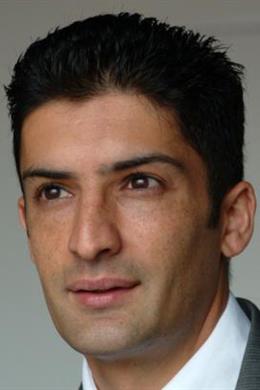
Gulam Balim
Since May 2004, Goolam Ballim has been serving as the Chief Economist and Research Director of Standard Bank Group in South Africa. The bank's business focus is in the African region, and its business expansion requires strong research support. The research department of Standard Bank of South Africa consists of 53 analysts and 10 logistics personnel, who work in Johannesburg, Nairobi, Lagos, London, and Beijing, respectively. Gulam Goolam has won the Top Economist Award in South Africa, and his team has continuously won honors for their research on macroeconomic issues in the African region, as well as numerous honors in other sectors, industries, and financial markets. He leads a research group whose unique advantage is to conduct macroeconomic and political economic discipline analysis on Africa and major emerging economies. Goolam's research interests span across political, real economy, and financial market fields. He piloted some of the views of Standard Bank of South Africa in these areas and had a particular interest in public policy. Gulam Goolam currently serves as an advisor to various public officials and has participated in the planning of the New Growth Path in South Africa. Gulam Goolam often participates in public dialogue activities related to national and continental issues, and often delivers speeches around the world. Gulam Goolam has pursued degrees in economics, corporate economics, and accounting at the University of Witwatersrand in Johannesburg and Rhodes University in the Eastern Cape in the Eastern Cape.
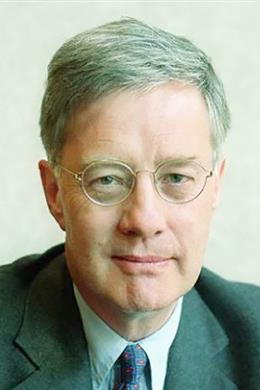
Hamish McRae
Hamish MacLey is one of the most important speakers in Europe regarding the future development trends of the economy, business, and society. In January 2010, he released his latest work, quot; What Works: Success in Stress Timelquote;. He is the deputy editor in chief of The London Independent and the chief economic commentator for The Independent and Sunday Independent. He is also the author of a highly acclaimed book on the future - The World of 2020: Ability, Culture, and Prosperity. Hamish's other works include his co authorship with Frances Cairncross, the capital city of London as a financial center, and his co authorship with Tadashi Nakamae, a former loyalist, to awaken Japan. His recent awards include the 2005 David Watt Prize for outstanding political journalism work; Business and Financial Journalist of the Year at the 2006 British News Awards; 2007 Business Journalist Award Correspondent of the Year. He is a visiting professor at the School of Management at Lancaster University and has previously served as a member of the Royal Society of Economics in the UK. Hamish is highly popular globally due to his clear understanding of the current economic situation and his clear insight into the potential impact of the future economic situation on businesses and governments.
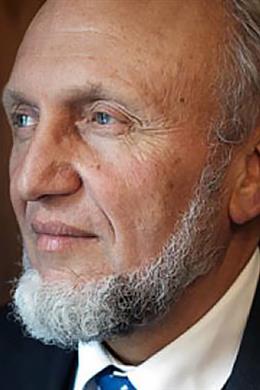
Hans Werner Sinn
Professional topics such as economics, emerging markets, and population change. Hans Werner Sinn is one of the most frequently mentioned economists in Germany. He served as a professor of economics at the University of Munich in Germany until 2016. He has gained international recognition through numerous research and guest professor qualifications; He teaches at several universities, including the London School of Economics, Princeton University, and the University of Oslo. His research areas include globalization, emerging markets, and population change. From 1991 to 2016, he was the Director of the Center for Economic Research at the University of Munich; From 1999 to 2016, he served as the director of the Ifo Economic Research Institute, which became famous for publishing monthly German business climate indices. Under the leadership of Sinn, the institute quickly rose to become one of the six most famous economic research institutes in Germany. He served as an economic advisor to the Federal Ministry of Science and provided advice to the government in Bonn and Berlin for many years. He is also a member of the Supervisory Board of HVB Group and an active member of many professional groups. Among the many books he has published, can Germany still be saved? It has sparked great controversy and is one of the most widely read public policy books in German history in recent years. His views on the failure of a unified economy and the weakness of the euro had a huge impact on German economic thinking.
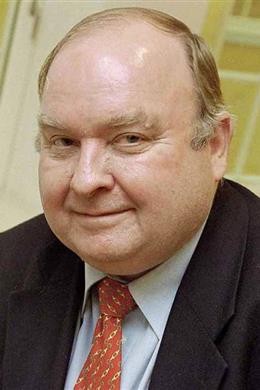
Henning Christopherson
Henning is a former vice president of the European Commission, responsible for Europe's economic and financial affairs. As Minister of Foreign Affairs, Minister of Finance and Deputy Prime Minister, he is Denmark's most famous and respected politician. Henning is a board member of Danske Bank, Scandinavia's second-largest bank, and an adviser to the European Fiscal Services Action Plan. Henning graduated from Copenhagen University with a Bachelor's degree in Economics. Before entering Parliament in 1997, he worked as a principal adviser at the Denmarkt. s Chamber. As a former Vice Chair of the committee, Henning was responsible for leading the early consultations and strategy design of EMU and ECU. Since 1989, Henning has been appointed EU representative to supranational organizations including the OECD, IMF, G7, EBRD and EIB, member of the Danish Committee responsible for European policy Affairs, and Chair of the CMO. Recently retired.
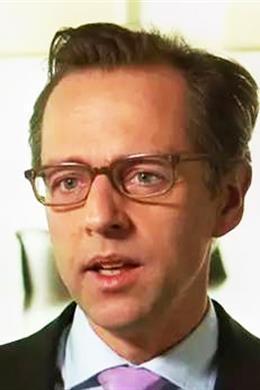
Hugh Van Stinnes
Hugh Fanstinis is the General Manager of Financial Services Research at Morgan Stanley Investment Bank. He is known for his early predictions of the global financial crisis and the eurozone crisis, as well as his insightful insights into reshaping the investment industry. Fantine has won many investment awards, and his team often ranks first in Thomson Reuters Extel surveys and Greenwich Institutional Investor surveys. He has also been repeatedly ranked first in numerous investor opinion polls. He was also twice named the Stock Picker of the Year by Starmine in various European banking and financial sectors. Fantine is widely regarded as a thought leader in financial services and its impact on macroeconomic and policy. Due to his outstanding work in the banking crisis and policy response, The Wall Street Journal's financial news program, Financial News, named him the Quarterly Outstanding European Banker of the first quarter of 2009. This is the only time this award has been awarded to a research analyst, who described Van Steenis as the most respected One of the influential voices in commenting on the issues facing the industry. The economics news editor of The Evening Standard in London wrote: Betting with Stiness is not a wise move. In addition to participating in research work, Fantine also played a leading role in Morgan Stanley's own strategic actions, especially in the field of investment agency consulting. In addition, he also serves in many advisory groups. Before joining Morgan Stanley, he worked at JPMorgan Chase and Boston Consulting Group.
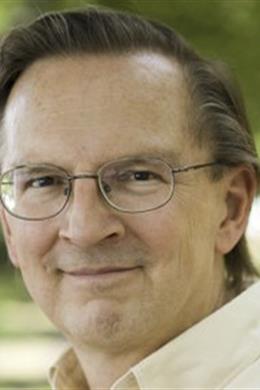
Jack Ws Szostak
Jack W Shostak, American. Born in London in 1952, grew up in Canada. He studied at McGill University in Canada and Cornell University in the United States, and obtained a doctoral degree from Cornell University in 1977. Shostak has been serving as a professor of genetics at Harvard Medical School since 1979, as well as a professor of chemistry and chemical biology at Harvard University. He also serves as a researcher at the Howard Hughes Medical Institute and chief researcher at Massachusetts General Hospital, Alex Ridge. In 2009, he, along with Elizabeth Blackburn and Carol Grad of the Johns Hopkins School of Medicine, won the Nobel Prize in Physiology or Medicine for discovering and elucidating the protective mechanisms of telomeres and telomerase on chromosomes for the first time in the world. Jack W Shostak is currently a tenured professor at Harvard Medical School. Professor Shostak has made groundbreaking contributions to the field of genetics. He is the first to conduct research on the synthesis of artificial chromosomes in yeast worldwide. His scientific discoveries have answered a series of major questions about chromosome recombination, and his research results have significant implications for the Human Genome Project, cancer, and other diseases. His laboratory's ongoing research on the origin of life on Earth and the synthesis of artificial cells in recent years is expected to provide answers to the ancient mystery of species origin in human science. In addition to the Nobel Prize, Professor Szostak has won many international awards, including the 1994 National Academy of Sciences Molecular Biology Award, the 2000 American Genetic Society Medal, and the 2006 Albert Lasker Prize for Basic Medical Research. At present, Szostak's research focus is on creating a simple artificial cell that can grow, differentiate, and evolve in a manner consistent with Darwin's theory to adapt to changing environments.
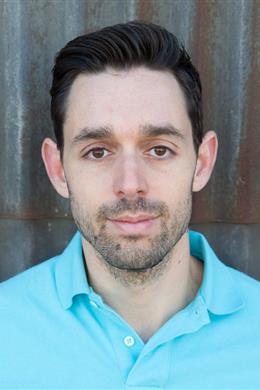
Jacob Morgan
Jacob Morgan is a top global authority on future employment, employee experience, and workplace changes. As a best-selling author and futurist, he provides advice to business leaders and organizations worldwide. In the latest book, \How Employee Experience Advantage Wins the Talent War by Providing Employees with Satisfying Workspaces, Tools, and Culture.\ In The Employee Experience Advantage, he analyzes over 250 global organizations and explores how to create the organizations that everyone truly needs. His previous work, The Future of Work, explores the changes that are happening in the workplace and how organizations should respond. Prior to this, he wrote a strategic guide for the Collaborative Organization, guiding organizations on how to successfully utilize social cooperation tools.
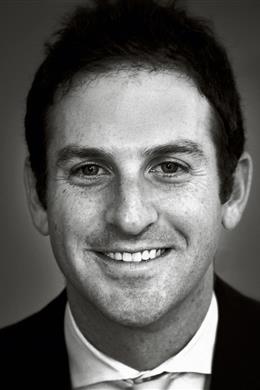
Jared Cohen
Jared Cohen is director of Google Ideas and adjunct senior fellow at the Council on Foreign Relations, With Eric Schmidt, Executive Chairman and former CEO of Google, he co-authored The New York Times bestselling book, The New Digital Age: Reshaping the Future of People, Nations, and Businesses. Reshaping the Future of People, Nations and Business. Previously, he served as a member of the Policy Planning Staff in the Policy Design Division of the Secretary of State and as a close adviser to Condoleezza Rice and Hillary Clinton. He was also named one of Time magazine's 100 most influential people of 2013. Jared Cohen has conducted extensive research in Iran, Iraq, Syria, Lebanon, Afghanistan, and throughout Africa. As part of his research, he interviewed members of Al-Qaeda, Lebanon's Hezbollah and the Taliban. He is the author of two books: Children of Jihad and One Hundred Days of Silence, And co-authored with Eric Schmidt The Digital Disruption: Connectivity and the Proliferation of Power Connectivity and the Diffusion of Power, which appeared in the journal Foreign Affairs only a few months before the Arab Spring began. Published in 2013, The New Digital Age presents a vision of an increasingly connected world and answers the question of how everything in the physical world will change over the next decade as five billion new users enter the digital world. Cohen has also published other works, For example, Diverting the Radicalization Track in Policy Review, Iran's de facto Opposition in SAIS Review: Iran's Post-Revolutionary youth Iran#39; s De Facto Opposition: Youth in Post-revolutionary Iran and Hoover Digest Passive Revolution: Dead or Alive Passive Revolution: Is Political Resistance Dead or Alive in Iran. In 2011, Vanity Fair named Cohen a member of The Next Establishment, The Washington Post, and the Kennedy School of Government at Harvard University. The s Kennedy School of Government named him Top American Leaders; Foreign Policy lists him as one of the Top 100 Global Thinkers. He was named Top 30 Under 30 by the Christian Science Monitor; 20 Brazen Young Professionals to Watch; 20 Brazen Young Professionals to watch; He was also named one of the Huffington Post's 100 Game Changers and Devex's 40 Under 40. He was also credited with intervening in Iran's Green Revolution. s Green Revolution and S Green Revolution won the 2010 and 2011 Tribeca Film Festival Disruptive Innovation Awards for writing the most influential articles of the year. He was twice awarded the Secretary of State's Meritorious Honor Award, presented by Condoleezza Rice and Hillary Clinton. Currently, Jared Cohen is the director of the National Counterterrorism Center. s Director, NCTC Advisory Board Director#39; s Advisory Board. He holds a BA from Stanford University and studied International Relations at Oxford University as a Rhodes Scholar, earning a Master of Philosophy degree MPhil.
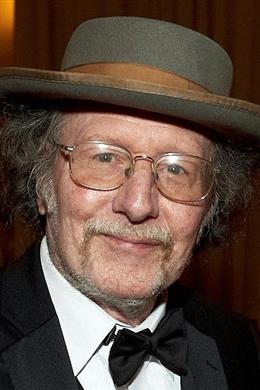
Jeffrey Hall
On October 2, 2017, Jeffrey was awarded the 2017 Nobel Prize in Physiology or Medicine. On October 2, 2017, the 2017 Nobel Prize in Physiology or Medicine was announced, and Jeffrey C Hall, Michael Rosbash, and Michael W Young jointly won the awards. The reason is the discovery of molecular mechanisms that control circadian rhythms. Life on Earth has long adapted to the rotation of this planet. For many years, we have known that various living organisms, including humans, have a biological clock that can help us predict and adapt to the cycle patterns of each day. But how does this biological clock actually work? Jeffrey C Hall, Michael Rosbash, and Michael W Young have explored and successfully elucidated the internal workings of the biological clock. Their discovery explains how plants, animals, and humans adapt to their own biological rhythms and stay in sync with the rotation of the Earth. The three winners used fruit flies as model organisms to isolate a gene that can control daily biological rhythms. They demonstrated through research that a protein encoded by this gene accumulates continuously at night and then undergoes decomposition during the day. In addition, they also discovered other related protein components in this biological process, revealing the mechanism by which cells manage this self-sustaining operation. We now know that the biological clocks of other multicellular organisms, including humans, all operate in the same mechanism. With extraordinary precision, the biological clock allows our body to adapt to various daily changes. It is responsible for regulating various important bodily functions such as behavior, hormone levels, sleep, body temperature, and metabolism. When there is a brief conflict between the external environment and the biological clock, our health will be affected. For example, when we cross multiple time zones by plane, there may be a situation where the time difference cannot be reversed. In addition, if there is a chronic disharmony between lifestyle and the rhythm required by the biological clock, it can affect the occurrence of various diseases in the body. Jeffrey Hall was born in Brooklyn, New York in 1945. He is an academician of the National Academy of Sciences and the American Academy of Humanities and Sciences, and is currently an emeritus professor at Waltham Brandeis University in the United States. In 1971, he obtained a doctoral degree in genetics from the University of Washington, Seattle, and later engaged in postdoctoral research at the California Institute of Technology. In 1974, he joined Brandeis University to teach and was promoted to professor in 1986. After retiring from Brandeis University, he joined Orono Maine University to teach and retired a few years ago.
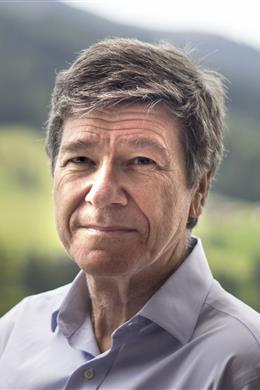
Jeffrey Sachs
Jeffrey Sachs is a renowned American economist, expert on global development, professor at Columbia University, former director of the Earth Institute at Columbia University, and special adviser to the United Nations Sustainable Development Goals (SDGs). Born in Michigan in 1954, Sachs earned bachelor's, master's and doctoral degrees from Harvard University and became a young professor at the age of 29. A former chairman of the World Health Organization's Commission on Macroeconomics and Health, he has been an economic adviser to governments in Latin America, Eastern Europe, the former Soviet Union, Asia and Africa, and is the father of shock therapy. He is director of the United Nations Millennium Project and Special Adviser to former United Nations Secretaris-General Kofi Annan and Ban Ki-moon, a global plan to dramatically reduce extreme poverty, disease and hunger by 2015. In 2004 and 2005, Time magazine named him one of the 100 most influential people in the world. The New York Times also praised him as" The world's most famous economist. . He was also included by the French magazine Le Nouvel Observateur in its list of the world's 50 most important leaders. Sachs, who has published more than 100 scholarly works, is widely regarded as an authority on international economic issues of his time, and he is an important pioneer in advocating the harmonization of economic and ecological development. Sachs has received numerous awards and honors, including fellow of the American Academy of Arts and Sciences, Harvard Research Institute, and Fellow of the World Econometrics Association. He is a member of the Brookings Economists Group, the Advisory Board of the Chinese Economists Association, and many other organizations. He received honorary degrees from the University of St. Gallen in Sweden in 1990, from the University of Pacifico in Peru in 1997, from Lingnan College in Hong Kong in 1998, from Varna University of Economics in Bulgaria in May 2000, and from Iona University in New York. Jeffrey Sachs 'research interests include the relationship between health and development, economic geography, globalization, the transition to a market economy in Eastern Europe and the former Soviet Union, international macroeconomic policy coordination in international financial markets, primary markets, economic development and growth, global competitiveness, and macroeconomic policy in developing and developed countries. Sachs is the author of two landmark books on enlightened, sustainable global development. The economics of shared wealth on a crowded planet reminds us that unless we adopt a new economic model - inclusive, cooperative, environmentally friendly - the global economy will collapse. In his New York Times bestseller, The End of Poverty: The Economic Possibilities of Today, Sachs offers a broad view of the key to economic success in the modern world. Sachs has kept an eye on America's international relations, and in addition to angrily denouncing Trumpism, Sachs has proposed a series of progressive policy solutions that he believes can put all people, not just Americans, first.
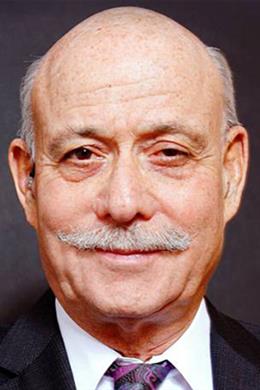
Jeremy Rifkin
Jeremy Rifkin is the President of the Economic Trends Foundation and a best-selling author of 19 books on the impact of changes in science and technology on the economy, labor, society, and environment. His works have been translated into over 35 languages and used in hundreds of universities, businesses, and government agencies around the world. His recent works include the Third Industrial Revolution, Empathetic Civilization, Hydrogen Economy, and the European Dream. Rivkin has been an advisor to the European Union for the past decade. Mr. Rivkin served as an advisor during the Spanish government's rotating presidency of the European Union from January 1 to June 30, 2010, and also served as an advisor to French President Nicolas Sarkozy, German Chancellor Angela Merkel, and Portuguese Prime Minister Jose Socrates' Spanish Prime Minister Jose Luis Rodriguez Zapatero and Slovenian Prime Minister Yanezyanza during their respective rotating presidency of the European Council. Currently, he serves as an advisor to the European Commission, the European Parliament, and some EU heads of state. He is the main architect of the EU's third industrial revolution long-term economic sustainable development plan to address the triple challenges of global economic crisis, energy security, and climate change. It was officially approved by the European Parliament in 2007 and is currently being implemented in the European Commission and 27 member countries. Mr. Rifkin is also the founder and chairman of the Third Industrial Revolution Global CEO Business Roundtable, which consists of 100 world leading companies in renewable energy, construction, construction, IT, electricity, utilities, transportation, and logistics industries. His team is collaborating with urban, regional, and national governments to study the planning of infrastructure for transitioning the economy to a post carbon third industrial revolution. Since 1994, Rifkin has been serving as a senior lecturer in the executive education program at the Wharton School of Business at the University of Pennsylvania, the world's top ranked business school. He writes monthly columns for many of the world's leading newspapers and magazines, including The Los Angeles Times, The Guardian, and others.
Jeremy White
As the product editor of Wired Magazine, Jeremy White is primarily responsible for identifying and evaluating cutting-edge products in innovation and design. He edited the magazine's tools section, Gear, to showcase and test the best connected products such as smartphones, wearable devices, nano drones, supercars, interior decor, architecture, and more. He has extensive knowledge in the product field, predictive design, and technological trends, so he is often appointed to provide consulting services by some of the world's major consumer brands in industrial design and user experience. White often appears on behalf of magazines on BBC and Sky News. For over 10 years, he has been writing about technology and design, and is currently a technical expert on the Harrods and Telegraph Luxury websites at Harrods Department Store. Before working at Wired magazine WIRED, Jeremy was a digital editor for the How to Consume section of the Financial Times, while before that, he worked as a technical editor at Esquire magazine. White often introduces his experience in life products at events held online, and is responsible for organizing exclusive release events to showcase the latest achievements in the fields of automotive, technology, design, and art.
Jian Shixun
Jian Shixun served as the Chief Economist of HSBC for 17 years. Jian Shixun's famous book, The Solemn New World, was once described by former US Treasury Secretary Larry Summers as a very important book at a critical moment. This book was published in 2017 and included in the FT-McKinsey Business Book of the Year. It was later selected as the Best Book of the Year by the Financial Times. His other book, when money dried up, was also selected as the book of the year by the Financial Times, The Economist, and The Times. Between 2014 and 2017, Jian Shixun was a member of the Financial Times Exchange. In the words of the Financial Times, major policy makers, scholars, and writers around the world were commenting on agenda arrangements. In 2018, in addition to writing for the Financial Times and The Times, he also became a columnist for Flag Evening News. During the 2015-17 UK elections, he was a special advisor to the UK Parliament's Finance Committee. As part of an investment portfolio, he was appointed as a senior economic advisor to HSBC in 2015 after his career at HSBC ended. During his time at HSBC Group, he was directly responsible for HSBC's global economic business and coordinated the research work of HSBC's economists worldwide. Jian Shixun Stephen King's book When Money Runs Out: The End of Western Prosperity: When the Money Runs Out was published by Yale University Press in 2013. It was later recognized as an excellent work of the year by Financial Times, Economist, and Times. His first book, Losing Control, was published by Yale University Press in 2010 and is widely acclaimed for exploring the impact of the rise of emerging countries worldwide on Western economic prosperity. The research report written by Jian Shixun covers a wide range of economic fields, such as the recent Southern Silk Road, research on the economic connections of new South South cooperation, and how to solve the problems of the eurozone. In 2012, Jian Shixun became a chief commentator for the Financial Times. Only timely and insightful comments from globally renowned leaders, decision-makers, and commentators were selected as the chief commentator for the Financial Times. He regularly writes key reviews for mainstream global newspapers. For the past decade, he has written a weekly column for the Independent newspaper in the UK. Jian Shixun also frequently appears on television and radio programs. From 2004 to 2014, Jian Shixun served as a member of the British government's Asia Task Force. He served on the House of Commons Treasury Committee and the House of Lords Economic Affairs Committee on the impact of globalization on the economy
Jim Rogers
Jim Rogers is an internationally renowned investor and professor of finance. He has a legendary investment experience. He, Buffett, Soros and known as the world's three major financial giants, known as the myth of Wall Street. From the stunning Quantum fund he founded with financial tycoon George Soros to the boastful Rogers International Commodity Index RICI, from two global investments to Jon Trains Money Masters of Our Time, Jack Schwagers Market Wizards and other famous yearbook included, all make the world admire. Jim Rogers was the third central figure to introduce the Quantum fund, and the most dashing, travelling the world while investing. This is Jim Rogers, one of the founders of the Quantum Fund and the globe-trotting global investor known as the father of the Austrian stock market. Jim Rogers is a former partner of Quantum Fund, which made Southeast Asian countries tremble in 1997. He is an internationally renowned investor and professor of finance. He was once named by Jon Train#39; s Modern investment guru, Jack Schwager; s market Wizards and other famous yearbook included. Rogers was also Time, The Washington Post, The New York Times, Barron's; s, Forbes, Fortune, The Wall Street Journal, The Wall Street Journal, The Financial Times long-time contributor. He graduated from Yale University in 1964, studied at Oxford University from 1964 to 1966, co-founded Quantum Foundation with George Soros in 1970, and achieved remarkable achievements. After leaving Quantum Foundation in 1980, he lectured at Columbia University Business School, and completed his first round-the world trip in 1989-1990. In 1998, the Rogers International Commodity Index RICI was established, and by November 2003, the index had reached an increase of 11973%, exceeding the main index of the same period. In 1999, when I traveled around the world for the second time, I invested in Shanghai B shares and also achieved great success. Time Time called it the Indiana Jones of finance.
Joanna Hilde
Hilde is the Chairman of Tech City in London and the Chief Advisor to the UK Prime Minister for the Digital Economy. In October 2014, she was appointed as a lifelong aristocrat of the British House of Lords. She is a senior figure in the technology industry and a member of parliament, serving as Deputy Secretary of State and Internet Security Commissioner in the UK; Minister of National Security. Before serving as the chairman of the Tech City, she was the Vice President and General Manager of Facebook Europe, Middle East, and Africa. Prior to this, she served as the Managing Director of Google Europe, Russia, Middle East, and Africa. In the early stages of her career, she served as the president of AOL Public Network after acquiring Bebo website under Time Warner's AOL company. During his tenure at Bebo, Hilde served as the CEO, leading the company to grow to 50 million users and ultimately being acquired with a market value of $8.5 billion. As a representative of the UK Department of the Interior and the US Department of Justice, Hilde is currently responsible for the industry activities of the UK\/US task force to crack down on online sexual abuse of children. In 2014, she launched the WeProtect Forum to encourage the technology industry to develop innovative solutions to issues related to network abuse and exploitation. In 2013, Computer Weekly named Hilde the most influential woman in the UK IT industry, and in the same year, she received the Lifetime Achievement Award from the UK Interactive Media Association. She ranked first among the 2011 100 influencers selected by Wired Magazine and sixth among the 2012 100 influencers selected by The Guardian. In 2013, she was named one of the 100 most influential women in the UK by the BBC's Radio 4 Women's Time program. In 2014, she was awarded the Order of the British Empire on the Queen's New Year Honors List in recognition of her contributions to the digital industry and volunteering for young people. She served on the board of directors of the London Stock Exchange and was a director of the American School in London. She used to be a trustee for institutions such as the UK Save the Children Fund, the National Society for the Prevention of Child Abuse There4Me project, and the Women's Business Association established by British Prime Minister Theresa May. The WeProtect Forum is one of her important actions to bring together government, law enforcement, and industry forces to create groundbreaking solutions to protect children worldwide from cybersexual abuse and exploitation.
John Gapper
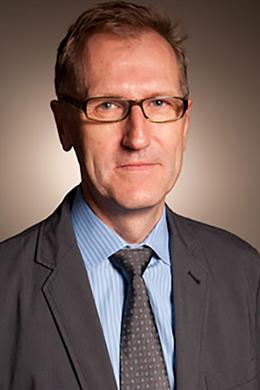
John Gap writes for an award-winning business column focused on finance, media, and technology. He also writes editorials and appears on screen, such as regularly receiving interviews with the Financial Times and having lunch together. He is one of the most senior and influential writers in the Financial Times. Prior to assuming his current position in 2003, his coverage covered the financial and media industries, as well as employment issues. From 2005 to 2012, he worked in the New York office of the Financial Times and led the newspaper's successful business expansion in the United States. Garp used to be a review editor for the Financial Times, mainly responsible for introducing and editing the award-winning review pages of the newspaper. As a columnist, he has written articles on various topics, including Wall Street and the aftermath of the financial crisis; Management and company strategy, future digital news and entertainment; Innovation and venture capital; How should companies handle crises and the disruptive impact of technology. Gap has written two novels, The Ghost Shift and Fatal Debt, both published by Random House in the United States. He also authored non fiction literary works on How to be a Rogue Trader and the sparkling scam All That Glitters, as well as a report on the collapse of Barings, a Bahraini bank. He often appears on television screens and radio stations, including the BBC, CNBC, and CNN. Gap has won the 2013 Gerald Loeb Award for Commentary at the 2013 Gerald Loeb Review Awards, and has also won three Best Business Citation Column of the Year awards from the Society of American Business Editors and Writers. In the UK, he was named Best Business Columnist at the 2014 Review Awards and also won the Technical Writer and Best Communicator awards at the Annual Business Journalist Awards. He was named one of the 100 most influential people in the UK by GQ magazine. Gap has received an open scholarship from Exeter College, Oxford University, where he studied philosophy, political science, and economics. He was also awarded the Harkness Fellowship to study at the Wharton School of the University of Pennsylvania at the Wharton School of Business. Before joining the Financial Times in 1987, he was an intern journalist at Mirror Group Newspapers, a subsidiary of the Mirror Group
Jon Madonnis
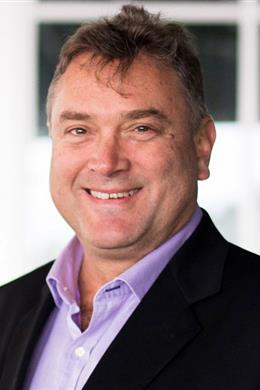
Jon Madonnis served as the Executive Director of the Bitcoin Foundation from 2013 to December 2014. Madonnis joined the board of directors of the Bitcoin Foundation in 2012 and is known as the authority for virtual currency, private currency, and rapidly developing electronic currencies such as Bitcoin, Greycoin, social gaming virtual currency, and stored value. Madonnis began serving as the Executive Director of the Bitcoin Foundation in July 2013 and is the oldest trading organization leader in the Bitcoin industry. Previously, he had served as a director and board secretary of the group since 2012. During his tenure as Executive Director, he was committed to expanding the Bitcoin Foundation's international influence. Madonnis is also an outstanding founding consultant for the board of directors of project companies such as Bitcoin, cryptosystems, games, mobile phones, and prepayments. He has served as the Chief Foreign Exchange Trader at Sumitomo Mitsui Bank and VISA, as well as the CEO of Hushmail. Madonnis can also provide consulting services for electronic currency projects for enterprises, covering alternative currency plans, Bitcoin configurations, compliance, management scope selection, monetization strategies, risk management, and virtual currency platforms. His research on digital currencies has been published by Dow Jones and the London School of Economics. He also serves as a columnist for Forbes, American Banker, and CoinDesk magazine. In addition, he also serves as the editor of the interdisciplinary blog space for The Monetary Future's free banking, cryptosystems, and electronic currency. Madonnis obtained a Bachelor's degree in Economics from George Washington University in 1985 and later continued his studies in Economics and Computer Software Engineering at the University of Maryland. He has given speeches to many companies and institutions on the topic of the destructive economic impact of Bitcoin and its impact. He has served at the Federal Reserve, Bank of England, European Central Bank, US Taxation Bureau, US Department of Homeland Security, iGaming operators, as well as many financial institutions and hedge fund companies.
Jonathan Margolis
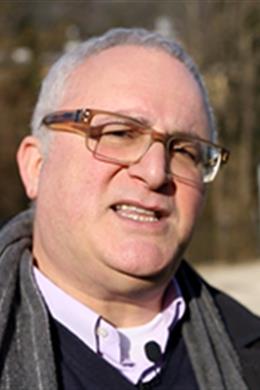
Jonathan Margolis is a technology journalist stationed in London and New York. He wrote a column in the Financial Times discussing technology, Talking Tech, which has a large global readership. He often comments on the best technology products for How To Spend It magazine and website of the Financial Times through newspapers, the internet, and videos. He also wrote articles on broader cultural issues for The Observer magazine and has won many news awards. Margolis is a knowledgeable and skilled television and radio commentator who frequently appears on BBC and other online programs. He has written and produced a documentary for National Geographic magazine on Channel 4 in the UK, which tells the story of a competition between amateur rocket scientists in the United States, the UK, and Australia who put their first homemade spacecraft into orbit. His constantly updated speeches never predict anything - especially in the coming years, they have been inspiring global audiences. In his speech, Margolis compared our vision for the future over the past few decades, such as flying cars, monorail railways, robot tea making, etc., with the future operating in the real world. He also looks forward to exciting technologies in the future, including virtual reality and autonomous cars.