Technology & Finance
126 位演讲者
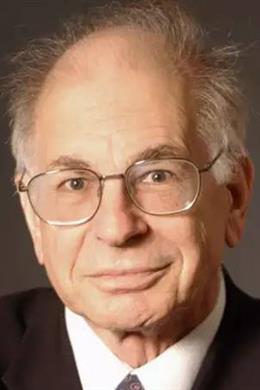
Daniel Kahneman
Daniel Kahneman is an emeritus professor of psychology and public affairs at Woodrow Wilson School, Eugene Higgins Professor of psychology at Princeton University, and a researcher at the Hebrew University in Jerusalem Center for Rational Research. Dr. Kahneman served as a professor of psychology at Hebrew University in Jerusalem from 1970 to 1978, the University of British Columbia in Canada from 1978 to 1986, and the University of California, Berkeley from 1986 to 1994. Dr. Kahneman is a member of the National Academy of Sciences, the Philosophical Society, and the American Academy of Arts and Sciences, as well as the American Psychological Association and the American Psychological Society Researcher at the Society of Experimental Psychologists and the Econometric Society. He has received many awards, including the Outstanding Scientific Contribution Award from the American Psychological Association in 1982 and the Gravemeyer Award in 2002; And together with Amos Tversky, they were awarded the Warren Medal by the Society of Experimental Psychologists in 1995; And won the Hilgard Award for Contribution to the Cause of General Psychology in 1995, the Nobel Prize in Economic Sciences in 2002, and the Lifetime Achievement Award from the American Psychological Association in 2007. Meanwhile, Dr. Kahneman holds honorary degrees from multiple universities.
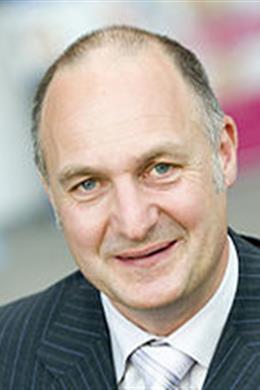
David Gann
David Gann is the Vice President of Imperial College London, the Director of Innovation and Technology Management at Imperial College London, and the Director of Civil and Environmental Engineering at Imperial College London. He is responsible for shaping the vision, developing strategies and innovation agendas for Imperial College of Technology, and developing a new 25 acre West End campus, known as Imperial College West Campus. David founded the Innovation and Entrepreneurship Team at Imperial College of Technology, which was rated as one of the world's leading departments in this field in the UK research evaluation for its outstanding research. The team has conducted numerous research projects with a fundraising amount of over \u00a3 30 million, including the Innovation Research Center of the Engineering and Physics Research Council, the Engineering and Physics Research Council\/Economic and Social Research Council\/AIM Innovation and Productivity Challenge, the ESRC\/AIM UK Innovation Research Center in collaboration with the University of Cambridge, the Rajiv Gandhi Innovation and Entrepreneurship Center, and a focus on simulation and incubation of health, environment Projects such as the collaboration between the London Design Center and the Royal Academy of Arts in the field of energy systems and service concepts. The team works closely with large and small enterprises in the design, manufacturing, engineering, construction, information technology, and healthcare industries, including IBM, Microsoft, Finmeccanica Group, Atkins Group, British Telecom, and more. David has extensive experience in industry, entrepreneurship, and providing policy advice to the government. He was responsible for developing an innovation strategy for Lane Metre Blanc Public Limited, the largest private construction and civil engineering group in the UK, which successfully completed Terminal 5 at Heathrow Airport worth \u00a3 4.3 billion within the scheduled time and budget. Ryan Metre Blanc is jointly responsible for the development plan for the 2012 London Olympics and is currently building a $20 billion Al Raha city in Abu Dhabi. David co founded the Want to Play Group, which is a derivative company of Imperial College of Technology specializing in innovation strategy and management. He is an innovation consultant for a computer science company and an advisor to the National Vice Premier's Construction Working Group. He is a member of 11 science and technology expert delegations from the Ministry of Trade and Industry of countries visiting Japan, the United States, and Europe. He is the trustee and board member of the Thames Estuary Sustainability Research Institute, as well as a member of the Housing Working Group of the Construction Innovation and Development Team, and reports to the State Secretary of the Business Innovation and Skills Department responsible for the government's low-carbon construction review. He received the 2014 Tealin Copman Asset Award in recognition of his extraordinary contributions to economic science. He has held advisory positions including Chairman of the Smart London Board, reporting directly to London Mayor Boris Johnson; Members of the Digital, Innovation, and Technology Group of the London Enterprise Group, members of the Information Economy Committee, members of the Smart City Forum, and members of the Investment Infrastructure Planning Advisory Group of the Greater London Government.
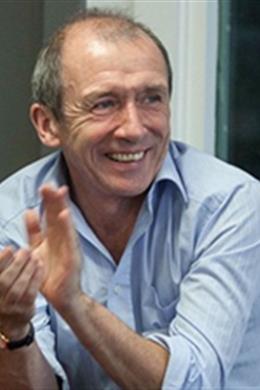
David Price
David Price is a senior fellow at the Innovation Unit, a non-profit enterprise dedicated to solving social challenges around the world. Over the past 10 years, Price Price has led numerous international education projects, culminating in the acclaimed OPEN: How We Will Work, Live and Learn in the Future. ll Work, Live and Learn In The Future. His conclusion is that there will be a profound shift in the way we perceive. Because the business value of knowledge has plummeted, the era of the vaunted knowledge economy has not arrived. However, its social value has soared. Any business, school, or public institution needs to know how we socialize our access to knowledge, because that is the answer to how we can attract employees and students again and remain competitive and valuable in a rapidly evolving world. Companies must build cultures that inspire autonomy, learning, and collaboration. In business, innovation is seen as an AD hoc event or dependent on external import. However, successful businesses often succeed in making innovation part of their DNA. The best solution for companies is to build their own appeal so they can retain talent. Price also focuses on the future of work, how we work now on top of the 19th century model and what businesses should do to adapt to today's increasing automation and introduction of artificial intelligence technologies. Sir Ken Robinson comments on Price's book from all angles, OPEN is a book that will open your mind to some of the real impacts of the digital technologies that support our living and learning in the 21st century. David's presentation was informative and insightful, adding real value to the conference. -- Ashfield Health
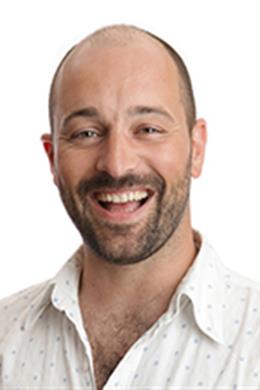
De Gillespie
De Gillespie is a writer, communication expert, serial entrepreneur, and futurist. He is the author of the book Only Planet a flight free adventure around the world, which tells the legendary story of his journey around the world without taking a plane. In response, the Independent newspaper commented that it allows the flaws and beauty of the world to seep into your soul. Gillespie's core skill lies in his ability to capture the complex, interconnected, and interdependent nature of the many challenges facing the world, from climate change to disruptive innovation, and to make it more common sense to better convey to the non professional public. Gillespie is one of the founders of Futerra Corporation, a reform organization specializing in corporate transformation, creative communication, and promotional activities. Over the past fourteen years, Futerra has developed into an internationally renowned company through its influential and widely acclaimed work in sustainable development plans for some large enterprises, including the Sustainable Life Plan for Unilever, the Coffee Manufacturing Happiness Plan for Mondelez, an international confectionery group, and the Prosperity Plan for SAB Miller, a British South African brewery group. Professionally, Gillespie stands out with a truly insightful style, that is, strategically speaking out to clients, but inspiring them to elevate themselves to higher heights and set lofty aspirations with clear intelligence and wisdom. He has a strong ability to adapt and is willing to actively challenge. He can motivate the audience to make assumptions as usual, thus opening up their thinking and planning possible practical solutions and seeking opportunities. Gillespie is also actively involved in pioneering industries such as zero carbon food, renewable energy generation, LED lights, hydroponic farms, and serves as its director and investor. In addition, he is also the London Sustainable Development Commissioner, providing advice on green entrepreneurship and clean technology to the Mayor of London and the Greater London Authority. In addition to regularly contributing to the Guardian and other media outlets in the UK, Gillespie is also a highly sought after speaker, emcee, lively host, and interesting event manager, known for her interesting speeches, thought-provoking insights, and a strong sense of humor. Since 2001, he has participated in speech events around the world, such as in Hong Kong, South Korea, Auckland, and other places. His audience is very broad, including the United Nations and governments of various countries, as well as multinational corporations and global organizations. He even dabbled in stand-up comedy performances to enhance his speech and activity abilities
Demis Hassabis
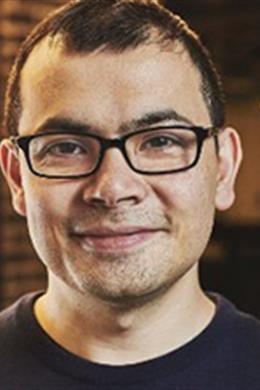
Before starting his research career, Demis Hassabis was a renowned video game designer and AI programmer in the UK. At the age of 16, he began his professional gaming career at the legendary bullfrog game production company Bullfrog Productions. Afterwards, after graduating from Cambridge University, he joined the newly established lion head game company Lionhead Studios. In 1998, he founded and operated a game development studio called Elixir Studios, with 60 employees, mainly producing games for Microsoft and Vivendi Universal. Demis Hassabis has produced many best-selling and award-winning electronic games during his 10 year successful career, including Syndicat 1993, Theme Park 1994, Black&White amp; White 2001, Republic 2003, and Evil Genius Evil Genius 2004, among others. Demis Hassabis is also proficient in many games and possesses a high level of proficiency, including chess, Japanese Go, and poker. Before retiring from the game competition in 2003, he won the World Games Championships at the Mind Sports Olympiad World Games Championships at the Intellectual Olympics. From 1994 to 1997, Demis Hassabis obtained a Bachelor of Arts degree in Computer Science from Queens College, Cambridge University; From 2005 to 2009, obtained a PhD in Cognitive Neuroscience from the Wellcome Trust Centre for Neuroimaging, WTCN, University College London Wellcome Trust Centre for Neuroimaging.
Douglas McWilliams
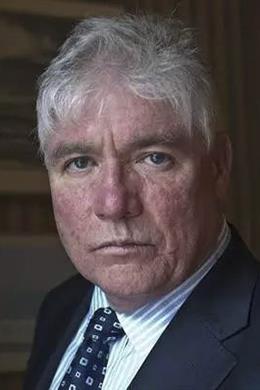
He is the chairman and founder of the Center for Economic and Business Research, a leading business economics think tank and top economic forecasting organization in the UK, with expertise in important industrial sectors such as road and rail transportation, retail, automobiles, trucks, real estate, construction, plastics, and information technology. Currently, McWilliams provides advice on economic and business trends and their impact on corporate strategies for 25 FTSE companies. His clients also include most well-known British retailers, four top UK law firms, and some leading accounting firms such as the Institute of Chartered Accountants in England and Wales. In our country, McWilliams is recognized as an expert in studying the prospects of the London economy and the City of London, as well as an economic advisor to the Northwest Regional Development Authority and the British Isle of Man Treasury. He is known for his excellent communication skills and is one of the most cited economists. He has a unique talent for explaining complex economic facts and predictions in terms that non professionals can understand. In 2011, he won five Best Predictor awards in the UK. In addition, a 2012 analysis by the CityWire website concluded that the Center for Economic and Business Research and the OECD have maintained their best predictive records over the past eight years, despite financial crises. From 1988 to 1992, McWilliams served as the Chief Economic Advisor of the Confederation of British Industries and was awarded the Gold Medal Master Award for Best Economic Forecaster by the Sunday Times in 1992. Previously, he was the Chief Economist of IBM UK, a subsidiary of International Business Machines in the United States; From 1980 to 1985, he served as the Chairman of the Economic Forecasting Group of the Industrial Union of the European Communities, UNICE, and the European Union of Employers' Organizations, respectively; From 1988 to 1998, he served as a visiting professor at the School of Business at Kingston University; From 1993 to 1998, he served as a board member of the Manufacturing and Industrial Foundation. He is a regular contributor to The Times in the UK and frequently appears on news and business television programs such as Newsnight and Business Breakfast. He also frequently hosts BBC and other radio programs. Mike Williams is a board member of the Institute of Finance. He is also an economic advisor to the Chartered Marketing Association and Newcastle Capital Limited NCL Investments Ltd. In 2012, he became a professor of business at Gresham University. He holds a Master's degree in Philosophy, Political Science, and Economics from Oxford University, as well as a Master's degree in Economics and Philosophy.
Douglas Retick
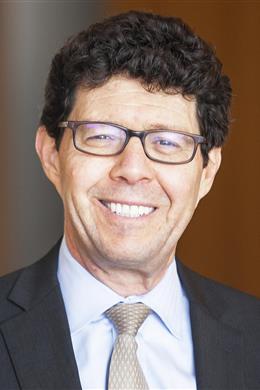
Douglas Ridtick was a member of the International Monetary Fund's Board of Directors until 2012. He was nominated by President Obama to the IMF Board in 2009 and confirmed by the U.S. Senate in March 2010. The Executive Board is responsible for the day-to-day operations of the IMF, including accepting or approving all decisions, policies, supervision, and financial expenditures made by the IMF. Douglas Retick is a visiting fellow at the Peterson Institute for International Economics in Washington, considered the most prestigious think tank in the field of international economic policy research. He was chair of the World Economic Forum's Global Agenda Committee on Geopolitical Risk in 2012 and currently serves as Vice Chair. He moderated and participated in panels at the World Economic Forum in Davos on capital markets, the international monetary system, emerging markets and global governance. He previously served as a Senior Fellow and Director of the Global Strategic Finance Program at the New America Foundation. Douglas testified before the U.S. Congress on the impact of the economic crisis on foreign policy, the opportunities and threats of sovereign wealth funds and state capitalism. A frequent contributor to the Financial Times, Foreign Policy, the New Republic, The Wall Street Journal, Forbes and others, Douglas is a regular contributor to TheWashingtonNotecom. Douglas has been named an Emerging markets superstar by Global Finance magazine, as well as winning the International Finance Review's Best EEMEA Asset and M&A Deal of the Year awards. He frequently appears on television and in newspapers, including the BBC, CNN, CNBC, The Wall Street Journal, Congressional Quarterly, The Nation, The New York Times, Le Monde and the International Herald Leader. He is an advisor to the Congressional Task Force on Sovereign Wealth Funds, a member of the Steering Committee on Political Risk and Emerging Markets of the Clinton Global Initiative Task Force, and a member of the Advisory Board of the Lisbon Council in Brussels. He is also a member of the Council on Foreign Relations, the International Institute for Strategic Studies and the Royal Institute of International Affairs. Douglas was a member of Obama's National Finance Committee during his first presidential campaign, and he also advised the presidential campaign on foreign policy and economic issues.
Dr. Martin Schultz
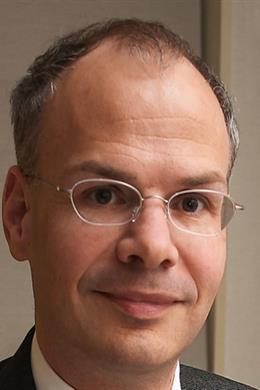
Martin Schultz is a senior economist at Fujitsu Research Institute FRI, a private think tank and consulting firm focused on Japanese economic policy and corporate strategy. He is responsible for research and consulting in macroeconomics, finance, and corporate overseas strategies. His work has been widely mentioned by international media, and media outlets such as Bloomberg, CNBC, and BBC often conduct regular interviews with him. Previously, Schultz was a visiting researcher at the Bank of Japan and the University of Tokyo, an assistant professor of economic policy and monetary integration at the Free University of Berlin in Germany, and a visiting professor at numerous universities in Europe and Japan.
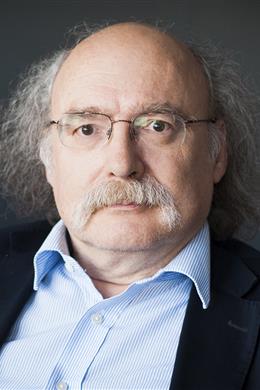
Duncan Holdan
Duncan M Haldane, a 2016 Nobel laureate in physics, is currently a professor of physics at Princeton University in the United States and has been elected as a member of the Royal Society in the UK, as well as a foreign academician of the American Academy of Sciences. At the same time, he is also a researcher at the American Academy of Arts and Sciences, the American Physical Society, and the British Institute of Physics. He shared the 2016 Nobel Prize in Physics with David Thorless and Michael Kosterlitz. Duncan Haldane won the Nobel Prize for his research on topological phase matter theory, which includes topological quantum states of one-dimensional magnetic atomic chain systems and theoretical predictions of magnetic topological insulators. His research on the topological quantum states of dimensional magnetic atomic chain systems was truly unexpected and initially controversial. Due to his groundbreaking contributions in this field, Duncan Haldane was awarded the 1993 American Physical Society Oliver Buckley Award. He also proposed a theoretical prediction of magnetic topological insulators, which is of great significance for the observation of the quantum anomalous Hall effect. In 2013, Tsinghua University first observed the quantum anomalous Hall effect in an experiment. With this research, he, along with Charles Kane and Zhang Shousheng, won the 2012 Dirac Medal from the International Center for Theoretical Physics in Leicester. Duncan Holdan has opened up new directions and provided new ideas for further studying quantum effects in condensed matter physics systems. In recent years, topological quantum matter has become a very active experimental field, and many people believe that it can provide a platform for quantum computing. He also pioneered the field of topological photonics. Currently, he is dedicated to studying quantum geometry in fractional quantum Hall effect. Under the guidance of Philip Anderson, a Nobel laureate in physics in 1977, Holdane obtained a doctoral degree in theoretical condensed matter physics from the University of Cambridge. Before joining Princeton University, he also worked at the Laue Langevin Institute in Grenoble, University of Southern California, Bell Laboratories, and the University of California, San Diego. Holdan was born in London, England in 1951 and has mixed Scottish and Slovenian ancestry. When he was young, he entered S \u00e3 o Paulo High School to study. Haldane greatly praised a passionate teacher at S \u00e3 o Paulo High School, stating that it was this teacher who awakened his interest in physics in his final academic year. After graduating from St. Paul's High School, Holdane was admitted to the Christian College of Cambridge University. Haldane married a French wife and had two children, both of whom are now adults. Since 1990, Haldane has been living in Princeton, New Jersey, USA. Duncan Haldane and the renowned biologist JBS Haldane, apart from having three initials, actually have no connection at all.
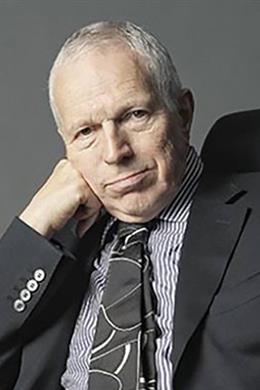
Edmund S Phelps
Edmund Phelps is a McVickar Professor of Political Economy at Columbia University, Director of the Center for Capitalism and Social Studies at Columbia University, and a 2006 Nobel Prize winner in Economics. He served as a senior advisor for European projects at Consiglio Nazionale delle Ricerche, the Italian National Research Council, for three years until the end of 2000. In the 1990s, he was a member of the International Economic Policy Committee of the French Economic Situation Observatory OFCE; He co chaired four annual VillaMondragon seminars at the University of Rome Tor Vergata from 1990 to 2000. He is a founding member of the EBRD Economic Advisory Committee of the European Bank for Reconstruction and Development and wrote many annual economic outlook reports in September 1993. He has served as an advisor to the US Treasury Department, the US Senate Treasury Committee, and the Federal Reserve Board. In the past 40 years, he has published a large number of articles in professional journals. His recent works include the modern equilibrium theory of structural decline in employment, interest rates and assets, and the revitalization of labor participation and supply on the path of free enterprise prosperity, all published by Harvard University Press. In 2008, he was awarded multiple honors such as the Knight of the French Legion, the Milan Dora Award, and the Kiel World Economic Award. In addition to being interested in the operation and performance of capitalist institutions, Phelps also studied the causes and solutions of unemployment, as well as the low wages of vulnerable groups. At present, Phelps' work is the benefits and sources of national structural dynamics - entrepreneurial entrepreneurship and creativity, financiers using skills to select and support the best projects, managers using knowledge to evaluate and use new methods and products.
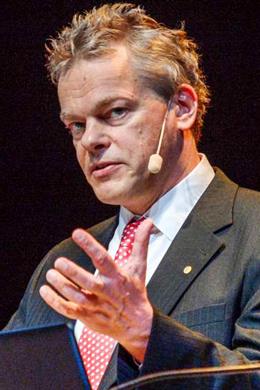
Edward Moser
Edward Moser is a professor of neuroscience and co director of science at the Kavley Institute of Neuroscience at the Norwegian University of Technology in Trondheim. His research interest is how neural circuits generate cognitive function, with a particular focus on the spatial representation system of the brain. Through long-term collaboration with Britt Moser, grid cells were discovered in the inner olfactory cortex, providing clues for the metric neural mechanism of spatial mapping. By identifying other functional cell types including boundary cells, velocity cells, and target vector cells, as well as the latest mechanisms for representing plot time, grid cells were successfully discovered. All studies have shown that the entorhinal cortex is the hub of the brain network, helping us find our way and recall experiences. Under the guidance of Dr. Peranderson, Edward Moser received preliminary training at the University of Oslo to study the memory formation mechanisms of seahorses in freely moving animals. He has been serving as a NTNU professor at the Norwegian University of Science and Technology since 1998. Edward Moser has won numerous awards for his outstanding work and, together with Britt Moser and John Okeefe, won the 2014 Nobel Prize in Physiology or Medicine.
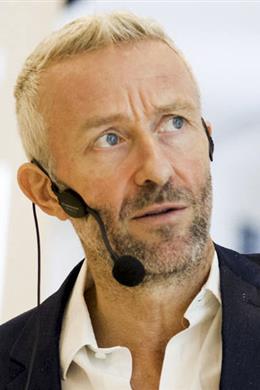
Euler
Euler is a renowned entrepreneur who mainly serves as an internet analyst and management consultant for small and medium-sized enterprises and Fortune 500 companies, as well as a business promoter and growth partner for growing and developing companies. In 2014, he was honored as a key figure in the city by the Mayor of Miami for his contributions to corporate groups. In 1997, Euler, as one of the founders of Boxman, actively expanded into the European internet industry, making the company the largest e-commerce store in Europe to sell CDs online at that time. He was the vice president of the company's international operations at the time, responsible for promoting the company's international business and establishing local offices in markets across Europe. During his time at Boxman, Euler had the idea of creating a company that would help some companies achieve success in occupying one market after another in a way similar to the functions of record companies in the music industry. So, in 1999, Result was born, which is a company that can help companies in the telecommunications, internet, media, and entertainment industries achieve development and internationalization. From 1999 to 2008, Euler served as the CEO of Result Company, a corporate coaching internet company founded in Stockholm, Sweden. Result Company has helped countless companies achieve success in various countries by adopting new business methods and technologies. In 2008, he became the chairman of the company. So far, Result has participated in approximately 130 corporate promotion projects across Europe, the United States, and Asia. In 2005, Euler helped promote a large wireless network community FON company, mainly responsible for expanding FON company's presence in the Nordic and Russian markets. In addition, Ola and Result are also responsible for developing professional online network companies such as Qiaoxing Global in Scandinavia, Belgium, the Netherlands, Luxembourg, France, and Spain. Euler is also a frequent guest speaker at major conferences and industry events, with recent speech events including Le Web Paris, Menoka Island Technology Forum, Munich DLD Media Conference, Amsterdam Picnic, Seoul World Knowledge Forum, and restarting Copenhagen. At the same time, he is also the chairman and host of SIME, the largest internet media conference in northern Europe with a focus on digital opportunities. In 2014, the conference held events in Stockholm and Miami, respectively. Euler was named one of the top ten leading internet entrepreneurs in Europe by the Wall Street Journal in 1999, and was listed on similar lists published by Business Week and the Financial Times in 2000 and 2001, respectively. He was also invited to participate in the Davos World Economic Forum and selected as the future global leader.
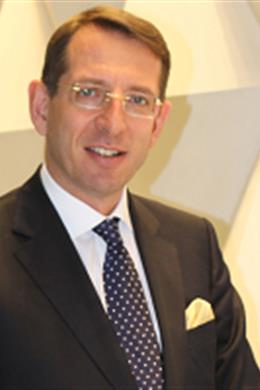
Fran Jurgen Richter
Frank Jurgen Richter, former Director of Asian Affairs at the World Economic Forum, Asian Economies, Globalization, Risk, and Future Vision. As a pivotal global figure in corporate globalization and Asian business, Dr. Fran \u00fc rgenricht's public remarks have had a profound impact on significant decisions made by businesses and governments. He founded the management consulting company Ouyasi, helping multinational companies formulate strategies and become one of the top global development companies. In his book \Tiger Leap Asian Enterprises Going Global\, he encourages institutions to achieve prosperity and development only by looking globally. He used Asia as a springboard for globalization in his early days. As a highly talented thinker and speaker, as well as a regular advisor to several major international companies, Richter is renowned worldwide for his ability to use clear future perspectives to explain his plans and proposals. Dr. Richter is the chairman of the Eurasian Global Vision Community. Ouyasi is an independent multinational organization dedicated to setting a vision for a sustainable future. The institution leverages its years of good partnerships with emerging market enterprises to create a strong cooperation platform for both emerging and developed markets. Its first-class events include the Eurasian Global Conference, as well as numerous regional forums held in China, India, Russia, and the Arab world. Before founding Eurasia, Richter was the head of the Asia Affairs Division of the World Economic Forum. Under his leadership, the Asia Summit Forum and the Davos Forum Asia Annual Conference have gradually developed into media for professional exchanges between leaders of businesses, governments, and civil society. In addition, he also has a brilliant career experience working in multinational companies in Asia and Europe. He has lived, studied, and worked in Asia for nearly ten years. He stayed in Tokyo and recently moved to Beijing, where he is responsible for managing the business of Chinese multinational corporations in Europe. Richter studied business management, economics, and mechanical engineering in Germany, France, Mexico, and Japan. He is also an active scholar who has written and edited many books on Asian economies and multinational corporations. Richter is an applied management scientist whose main areas of interest are international management and economic development. In addition, he also has a strong interest in political, economic, and geopolitical issues. Macroscopic understanding of economic institutions, especially at the corporate level, is the core topic of his public speeches. He has delivered keynote speeches at the Brookings Institution, Harvard University, the Asia Society, the Japan Society, the Royal Society for International Affairs, the Pacific Basin Economic Council, and many high-level CEO summits. His articles have been repeatedly featured in financial and regional media, such as the International Herald Tribune, Wall Street Journal, Far East Economic Review, Straits Times, China Southern Morning Post, and so on. He has interviewed multiple publishing houses and appeared in news reports such as CNN, BBC, CNBC, and VOA.
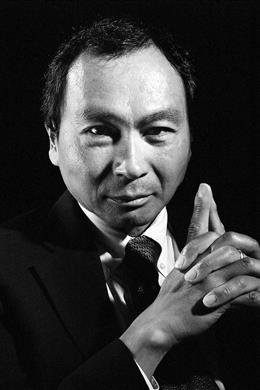
Francis Fukuyama
Francis Fukuyama is an American writer and political economy scholar. He holds a Ph.D. in political science from Harvard University, and is currently a senior Fellow at the Freeman Spaugley Institute for International Studies. He also holds the Schwartz Chair and Professor of International Political Economy at Johns Hopkins University, the Paul Nitze Institute for Advanced International Studies, and studied under Samuel Huntington. He served as Deputy Director of the Bureau of Policy Planning, the think tank of the U.S. State Department. The End of History and the Last Man, the post-human future - the human catastrophe of genetic engineering, crossing the fault line - the origins of human nature and the reconstruction of social order, trust, and political order from pre-human times to the French Revolution. His first book, The End of History and the Last Man, made him famous. The idea of the end of history in the book comes from Kojev's interpretation of Hegelian theory - that human beings need to be motivated by desire in order for history to evolve. Fukuyama believes that the last history is the history of liberal democracy, and in the stage of liberal democracy, human beings have gained equal recognition, and history will end. Politically, Fukuyama is a neoconservative. He has been active with the New Century Project think tank since 1997, and signed a document advising then-President Bill Clinton to overthrow Iraqi President Saddam Hussein. But he opposed the 2003 war with Iraq, arguing that neo-conservatism's insistence on imposing American values by force risked repeating the mistakes of Leninism. The Post-Human Future - The Human Catastrophe of Genetic Engineering The Soviet Union and the Third World The End of History in the last three decades with the Last Man to Trust Social virtue and Create economic prosperity Crossing the fault Lines + Rebuilding Humanity and Social Order The Great Split Human Nature and rebuilding social Order The Nation Building Governance and World Order in the 21st Century America is at a crossroads between democratic power and Neoconservatism The origins of the political order from pre-human times to the Great Power theory of the French Revolution
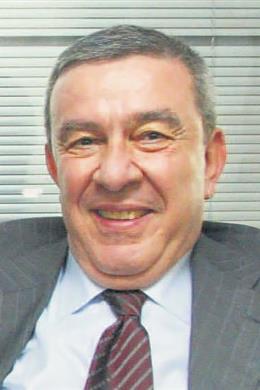
Gazi Ersel
Professional topics Banking, financial services, T\u00fcrkiye's economy, supervision 1996-2001, Gazieur served as Governor of the Central Bank of T\u00fcrkiye; In 2003, he established Earl Global Financial Advisors. Early in his career, Earl was the Deputy Director General of the Ministry of Finance of T\u00fcrkiye, responsible for foreign exchange, banking supervision, the World Bank and other research departments. In 1987, he was appointed Director General of the Ministry of Finance of T\u00fcrkiye in charge of international economic development. Earl also held multiple executive positions, including the CEO of a commercial bank in Istanbul until 1995 and a board member of multiple public banks. In 1996, he was appointed Governor of the Central Bank of T\u00fcrkiye for a term of five years. He founded Earl Global Consulting Co., Ltd. to provide advice to governments, financial institutions, non-governmental organizations and special clients on the international financial architecture, supply, development and future of T\u00fcrkiye's economic and political system. In 2000, Ersler won the Euromoney Magazine Central Bank Person of the Year award; In 1999 and 2000, he was named the top central bank governor by Global Finance Magazine. He is also a regular columnist of HaberTurk, a T\u00fcrkiye news newspaper, and the host of Bloomberg Business Economics Program. Earl teaches courses in international financial markets, banking, macroeconomics, and public governance at different universities. He graduated from the Department of Political Science of Ankara University, T\u00fcrkiye, with a bachelor's degree, and obtained a master's degree in international economics from Vanderbilt University in the United States.
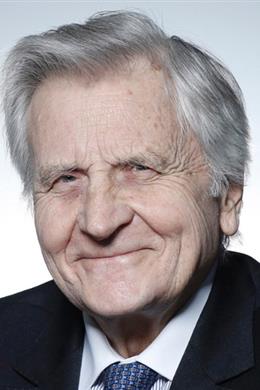
Gene Claude Trichet
Jean-Claude Trichet is one of the most famous central bankers in the world. He was President of the European Central Bank from 2003 to 2011 and Governor of the Bank of France from 1993 to 2003. At present, he is Honorary President of the Bank of France, Chairman of the Thirty Group, Chairman of the Trilateral Commission of the Eurogroup, President of the French national Scientific Aviation participation company SOGEPA, member of the Steering Committee of the Bilderberg Group and the Academy de France. In 1986, he was director of the Private Office of the Secretary of Economic Affairs, managing the Treasury and privatization of Edward Balladur, and in 1987 served as Secretary of the Treasury and a member of the Thirty Group, an influential financial advisory firm in Washington. In the same year, he was appointed an alternate Governor of the Bank of France, the International Monetary Fund and the Ombudsman of the World Bank. Trichet served as chairman of the European Monetary Committee from 1992 until 1993, when he was appointed Governor of the Bank of France. He was Chairman of the Monetary Policy Committee of the Bank of France in 1994 and a member of the European Monetary Committee from 1994 to 1998, after which he was appointed to the Governing Council of the European Central Bank. After his first term as governor of the Bank of France, he was re-elected for a second term. In addition, Trichet has served as President of the European Central Bank, President of the Group of 10 Central banks, Chairman of the European Systemic Risk Board, Chairman of the Group of 10 Central Banks and Chairman of the Supervisory Board for eight years from 2003 to 2011. In 2007, he was named Person of the Year by the Financial Times; Twice named Decision-maker of the Year by the International Economic Journal in 1991 and 2007; Named European Banker of the Year by the Banker Magazine in 2008; Named Central Banker of the Year by the 20+1 Organization in 2007; Named Central Banker of the Year 2008 by European Banking Magazine.
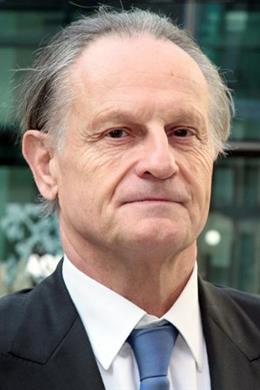
Gene Paul
Jean Paul is the head of the economic research department and chief economist of Cr \u00e9 dit Agricole SA, one of the largest banks in France. From 1974 to 1990, Jean Paul served as a professor at Paris Anth \u00e9 on Assas University. From 1990 to 2003, he was appointed as the head of economic and financial research at Cr \u00e9 dit Lyonnais. From 1995 to 2001, he was appointed as the strategic leader. In July 2003, he was appointed as an advisor to the Chairman and CEO of Cr \u00e9 dit Agricole SA. Afterwards, he was appointed as the Chief Economist. Jean Paul is also a member of the Prime Minister's Economic Analysis Committee, the Chairman of Economic and Fiscal Affairs of the UNICEF Committee, the Chairman of Economic and Social Policy, a member of the Economic Circle, and a member of the International Conference of Commercial Bank Economists. Jean Paul graduated from HEC business school with a DEA graduate diploma in organizational science and a PhD in economic science, and passed the Economic Science aggregation competitive exam. He has published multiple works, including Financer la RD Financing RD, published by Documentation fran \u00e7 aise, 2005, La peur \u00e9 conomique des Fran \u00e7 ais The French Population Festival of Economics, Odile Jacob, 2004, and Les dix commandments de la Finance The Ten Commandments of Economics, Odile Jacob, 2003
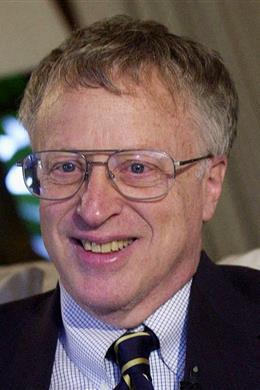
George Akerlov
George A Akerlof, a renowned American economist and 2001 Nobel laureate in economics, is a UC Berkeley professor of economics at the University of California, Berkeley. His wife is former Federal Reserve Chairman and Professor Janet Yellen at the University of California, Berkeley. George Akerlov was born in New Haven, New Haven, USA in 1940 and graduated with a bachelor's degree from Yale University in 1962. In 1966, after obtaining a doctoral degree from Massachusetts Institute of Technology, he worked as a professor at the London School of Economics and Political Science. Since 1980, he has been serving as a professor of economics at the University of California, Berkeley, USA. His professional fields include macroeconomics, poverty issues, family issues, crime, discrimination, monetary policy, and German unification issues. Akerlov was described by his colleagues as a professional, and his research on asymmetric information in the market is of milestone significance. One famous model he introduced into information economics research is the lemon market. Akerlov once said that economics treats theory like French chefs treat food, developing models with unique styles that are constrained by unwritten rules. Traditional French cuisine does not use raw fish or seaweed, and the neoclassical economic model does not propose hypotheses from the perspectives of psychology, anthropology, or sociology. I do not agree with any rules that restrict the natural components of economic models. Akerlov's research scope is broad, including monetary theory, financial markets, macroeconomics, and has published numerous research works in areas such as poverty and unemployment theory, crime and family, and social customs economics. His works include stable growth - in times of crisis? 1967; Capital, Wages, and Structural Unemployment 1969; New perspectives on the short-term trend of money demand and old issues, 1982, etc. Akerlov's colleague, Michael Fadden, who won the Nobel Prize in Economics in 2000, praised Akerlov's proudest insight into modern economics. He recognized that the theory of market structure is based on participants being able to strictly and fully utilize information, which is a mechanical theory that dominates transactions and contracts. This situation will prevent the effective allocation of resources, while the flow of information can promote market development and improve resource allocation.
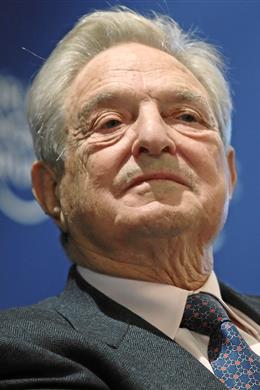
George Soros
George Soros, a Hungarian born Jewish American businessman, is a renowned currency speculator, stock investor, philanthropist, and political activist. He is currently the Chairman of Soros Fund Management and the Open Society Institute, and a former member of the Board of Directors of the Foreign Affairs Committee. He is known worldwide for his role in the Rose Revolution in Georgia, and in the United States for raising large amounts of funds in an attempt to prevent George Bush from being re elected as president. On the morning of July 27, 2011, George Soros officially announced the end of his 40 year career as a hedge fund manager. In 1930, George Soros was born in Budapest, Hungary. In 1947, at the age of 17, he moved to the UK and graduated from the London School of Economics. In 1956, Soros went to the United States and accumulated a large amount of wealth through the international investment funds he established and managed. In 1979, Soros established his first foundation in New York, the Open Society Fund. In 1984, he established the first Eastern European Foundation in Hungary. In 1987, the Soviet Soros Foundation was established. He provides funding for the foundation network, which operates in 31 countries, including Central and Eastern Europe, the former Soviet Union, and Central Eurasia, as well as South Africa, Haiti, Guatemala, and the United States. These foundations are committed to building and maintaining the infrastructure and public facilities of an open society. Soros has also established other important institutions, such as the Central European University and the International Science Foundation. Soros has obtained honorary doctoral degrees from the New School of Social Studies, the University of Oxford, Budapest University of Economics, and Yale University. In 1995, the University of Bologna in Italy awarded the highest honor - Laurena Honoris Causa - to Mr. Soros in recognition of his efforts to promote open societies around the world. Soros is the chairman of the Soros Fund's board of directors, and the Private Investment Management Office has confirmed him as an advisor to the Quantum Fund Group. Quantum Fund is the oldest and largest fund within the Quantum Group, and it is widely believed to have the best performance among any investment fund in the world over its 28 year history. George Soros is a financial genius. Since the establishment of the Quantum Fund in 1969, he has achieved incredible performance, with an average annual comprehensive growth rate of 35%, which is beyond the reach of all investment experts. He seems to have an extraordinary power to influence the world financial market. He has enormous wealth, he is a famous philanthropist, but he is also a big crocodile that surprises you, and I don't know when he will give you a heavy blow. Soros first became famous around the world after he destroyed the Bank of England, and what made Asians remember Soros was the 1997 Asian financial crisis, which brought many Asian countries' financial systems to the brink of collapse and economic difficulties. He is the embodiment of angels and demons, an incredible combination of the two.
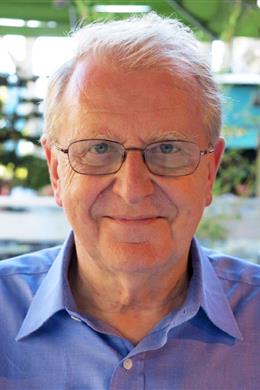
Georges Ugeux
George Eugene is an internationally renowned financial expert who has worked in the public and private sectors, as well as in commercial and investment banks in Europe and America. In addition to his professional knowledge, he also applies a broad humanistic perspective to study financial, social, and political issues. He uniquely integrates facts, technology, as well as their social significance and outcomes. He used to be the Executive Vice President of the International and Research Group on the New York Stock Exchange. In 2003, he founded Galileo Global Advisors, an investment advisory bank in New York. Currently, he serves as the Chairman and CEO of the institution. Galileo Global Advisors specialize in cross-border advisory services, mergers and acquisitions, and fundraising, with a particular focus on Asia and emerging markets. He currently teaches European Banking and Finance at Columbia University Law School and published the Wiley Finance Series International Financial Regulation: The Quest for Financial Stability in June 2014. Previously, he taught at the University of Leuven and the Bruges European College, and participated in the International Financial System program at Harvard Law School. His experience in financial regulation and politics provides insights into the complex new financial world under government organizations. He often maintains contact with regulatory agencies and governments and provides them with advice. After studying philosophy, economics, and law at the University of Leuven, George began his 40 year financial career. He has previously worked at BNP Paribas Fortis, Morgan Stanley International in London, and Kidder Peabody in Belgium. He also serves as the CFO of Soci \u00e9 t \u00e9 G \u00e9 n \u00e9 rale de Belgique, a Belgian general company, and is currently part of the French gas Suez Group. He is the chairman of the European Investment Fund, which has shareholders including the European Investment Bank, the European Community, and 76 European banks; He is also the Chairman of the Belgian Privatization Committee. In 1996, he moved to the United States and founded and led the New York Stock Exchange International Group. As a speaker, George constructively discusses global reality, society, and politics. He firmly believes that finance is an important component of individuals, institutions, and the world we live in, but he believes that the added value of finance to the economy and society is crucial. Finance must be responsible for the various constituencies it serves. He was invited by Century News to open a blog called Demystifier la Finance; Afterwards, he was invited to open a blog in the Huffington Post. In 2010, French publisher Odile Jacob and Belgian publisher Lannoo published their works in French and Dutch, Twelve Reforms to Restore Market Confidence: The Betrayal of Finance